
ClickCease

Orthodontist

Nighttime sleep monitoring for sleep apnea

Sleep Apnea Symptoms: How to Recognize the Warning Signs

Sleep is essential for physical health, mental clarity, and daily energy. Yet millions of people struggle with poor sleep without realizing that a medical condition may be the cause. One of the most common sleep-related disorders is sleep apnea, a condition that often goes undiagnosed for years. Many people dismiss warning signs as normal sleep habits. Loud snoring, restless nights, and waking up exhausted may seem harmless, but they can actually be early sleep apnea symptoms that deserve attention. Because the condition occurs during sleep, individuals often do not notice the problem themselves. Instead, partners or family members may observe interrupted breathing or unusual sleep behaviors. Recognizing the early indicators can make a significant difference in long-term health. Untreated sleep apnea may affect heart health, energy levels, mood, and overall quality of life. Understanding the warning signs helps patients seek evaluation sooner and find solutions that restore restful sleep. What Is Sleep Apnea? Sleep apnea is a sleep disorder in which breathing repeatedly stops and starts during sleep. These interruptions may last for a few seconds to over a minute and can occur dozens or even hundreds of times throughout the night. When breathing pauses occur, the body briefly wakes up to restart airflow. These interruptions often happen without the person fully realizing it. However, the repeated disturbances prevent the body from reaching deeper stages of restorative sleep. Most cases occur when the airway becomes partially or completely blocked during sleep. This obstruction prevents normal airflow and forces the body to struggle for oxygen. It is important to distinguish between occasional snoring and sleep apnea. While snoring can be harmless in some cases, sleep apnea involves repeated breathing interruptions that can affect oxygen levels and sleep quality. Types of Sleep Apnea Sleep apnea is not a single condition. There are several forms, each with different underlying causes. Obstructive Sleep Apnea (OSA) Obstructive sleep apnea is the most common type. It occurs when the muscles in the throat relax during sleep and the airway becomes blocked. This obstruction reduces or stops airflow, even though the body continues trying to breathe. The symptoms of obstructive sleep apnea often include loud snoring, choking or gasping during sleep, and excessive daytime fatigue. Central Sleep Apnea Central sleep apnea is less common and occurs when the brain fails to send proper signals to the muscles responsible for breathing. In this case, the airway is not physically blocked, but breathing temporarily stops due to neurological communication issues. Complex Sleep Apnea Complex sleep apnea is a combination of obstructive and central sleep apnea. Patients may initially have obstructive apnea and later develop central apnea symptoms during treatment. Understanding the type of sleep apnea is important because it helps doctors determine the most appropriate treatment approach. Common Sleep Apnea Symptoms Sleep apnea can affect many aspects of daily life, but the symptoms often appear gradually. Many people experience signs for years before realizing they may have a sleep disorder. Common sleep apnea symptoms include: Loud, chronic snoring Gasping or choking during sleep Pauses in breathing observed by a partner Waking with a dry mouth or sore throat Morning headaches Difficulty concentrating during the day Irritability or mood changes Persistent fatigue even after a full night of sleep Because these symptoms occur during sleep, people may not immediately connect them to a health condition. However, recognizing these patterns can help individuals seek evaluation earlier. Sleep Apnea Warning Signs You Should Not Ignore While occasional snoring or fatigue can happen to anyone, some sleep apnea warning signs may indicate a more serious problem. These warning signals may include: Breathing pauses noticed during sleep Sudden gasping or choking sounds at night Excessive daytime sleepiness Falling asleep unintentionally during routine activities Difficulty staying asleep Morning headaches that occur frequently Mood changes, including irritability or anxiety These symptoms suggest that the body may not be receiving adequate oxygen during sleep. Over time, untreated sleep apnea can contribute to cardiovascular issues, metabolic disorders, and decreased cognitive performance. If these warning signs occur regularly, it is important to consult a healthcare professional. How to Know If You Have Sleep Apnea Many patients wonder how to know if you have sleep apnea. Because symptoms occur during sleep, diagnosis usually involves professional evaluation and testing. The diagnostic process typically includes several steps. 1. Medical Consultation A doctor begins by reviewing sleep habits, medical history, and symptoms. They may ask about snoring patterns, daytime fatigue, and breathing interruptions during sleep. 2. Sleep Study A sleep study measures breathing patterns, oxygen levels, and brain activity during sleep. This test may be performed in a sleep laboratory or through a home sleep test prescribed by a physician. 3. Airway Evaluation Specialists may examine the airway, jaw alignment, and oral structures to identify potential causes of airway obstruction. 4. Treatment Planning Once a diagnosis is confirmed, healthcare providers recommend treatments based on the severity and type of sleep apnea. Early diagnosis helps prevent complications and improves long-term health outcomes. Risk Factors for Sleep Apnea Certain factors increase the likelihood of developing sleep apnea. While the condition can affect anyone, some individuals are more susceptible due to anatomical or lifestyle factors. Common risk factors include: Narrow airway structure Jaw alignment issues Excess weight Increasing age Family history of sleep apnea Enlarged tonsils or adenoids Nasal obstruction Airway anatomy plays an important role in sleep-related breathing disorders. In some cases, orthodontists evaluate jaw structure and airway space to determine whether structural factors may contribute to breathing difficulties during sleep. Early airway assessments may help identify potential issues before symptoms become severe. Common Symptoms vs Possible Causes Symptom Possible Cause When to See a Doctor Loud snoring Airway obstruction during sleep If snoring is frequent and disruptive Daytime fatigue Interrupted sleep cycles If fatigue affects daily activities Morning headaches Low oxygen levels overnight If headaches occur regularly after waking Dry mouth in the morning Mouth breathing during sleep If dryness occurs consistently Difficulty concentrating Poor sleep quality If cognitive performance declines This table

Sleep Apnea Symptoms: How to Recognize the Warning Signs Read More »
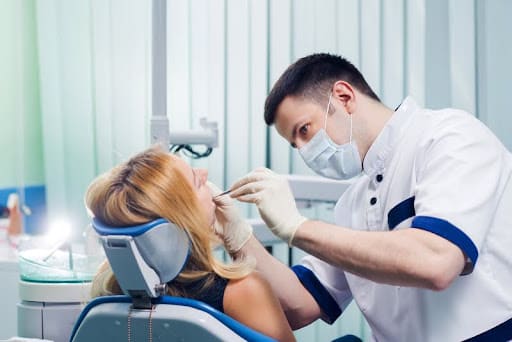
Patient asking questions to an orthodontist before starting treatment

Key Questions to Ask an Orthodontist Before Starting Treatment

Starting orthodontic care is a meaningful decision, whether it’s for you, your teen, or your child. Braces or Invisalign can improve more than just alignment—they can support long-term oral health, comfort, and confidence. Still, it’s normal to feel unsure at the beginning. Appointments can feel fast, terminology may be unfamiliar, and many patients leave wishing they had asked a few more things. That’s where preparation helps. Knowing the right questions to ask an orthodontist before committing to care allows you to better understand your options, expectations, and responsibilities. It also helps ensure the treatment plan fits your goals, lifestyle, and budget. This guide walks you through the most important topics to cover so you can approach your consultation informed and confident. Why Asking the Right Questions Matters Before Orthodontic Treatment Before orthodontic treatment begins, clear communication sets the foundation for a positive experience. Orthodontics is not a one-size-fits-all process. Every mouth, bite, and timeline is different, which means treatment plans vary widely from patient to patient. Asking thoughtful questions helps you understand why a specific approach is recommended and how it aligns with your needs. It reduces uncertainty about how long treatment may last, what daily life will look like, and what results are realistic. Patients who feel informed tend to feel more comfortable, more engaged, and more confident throughout the process. These conversations also build trust. An orthodontic consultation should feel like a partnership, not a sales pitch. When you ask questions and receive clear answers, you’re better equipped to make decisions that feel right for you or your family. Questions to Ask an Orthodontist About Treatment Options When discussing treatment options, many patients are surprised to learn how many choices may be available. This is an important area to explore thoroughly. You may want to ask which treatment options are appropriate for your specific alignment or bite concerns. For some patients, traditional braces may offer the most precise control. For others, clear aligners may be effective and fit better into daily routines. In some cases, limited or phased treatment may be an option. It’s also helpful to ask why one option is recommended over another. Understanding the reasoning behind the plan helps clarify expectations and prevents confusion later. You can ask whether alternative treatments exist and what the pros and cons of each option might be. Another useful topic is flexibility. Ask whether your treatment plan can be adjusted if circumstances change, such as schedule demands or comfort concerns. These questions help ensure you understand not just what treatment is offered, but why it’s the best fit for you. Understanding Timeline, Comfort, and Daily Life During Treatment Orthodontic treatment affects everyday life in small but meaningful ways. Asking about these details helps you prepare both mentally and practically, especially when preparing for braces or Invisalign. Start by asking about the estimated length of treatment and what factors could shorten or extend that timeline. Compliance, growth, and follow-up visits all play a role. It’s also reasonable to ask how often appointments are needed and what typically happens during those visits. Comfort is another common concern. You can ask what level of soreness is normal, how long it usually lasts, and what can be done to manage it. Understanding what’s expected helps reduce anxiety, especially for younger patients. Daily habits also matter. Ask about eating restrictions, oral hygiene changes, and how treatment may affect sports, musical instruments, or work routines. Knowing these details ahead of time helps you plan and adjust with confidence. Understanding what’s expected of you during orthodontic treatment can make your journey smoother — check out this detailed guide. Questions About Cost, Insurance, and Long-Term Results Financial clarity is essential before starting orthodontic care. Orthodontist consultation questions about cost help avoid surprises and allow families to plan responsibly. You may want to ask what the total cost of treatment includes. Some plans cover appliances, adjustments, retainers, and follow-up visits, while others may itemize certain services. Understanding what’s included helps you compare options accurately. Insurance coverage varies, so it’s important to ask how benefits apply and whether the office assists with claims. You can also ask about payment plans, financing options, and what happens if treatment takes longer than expected. Long-term results are just as important as upfront costs. Ask about retention plans after treatment ends and how long retainers are typically needed. Understanding how results are maintained helps you protect your investment and your smile for years to come. What to Ask About Experience and Treatment Planning Many patients wonder what to ask orthodontist professionals about their background and approach. This is a reasonable and important part of the conversation. You can ask about training, board certification, and experience with cases similar to yours. Orthodontists undergo advanced education beyond dental school, and understanding that background can offer reassurance. It’s also helpful to ask how treatment plans are created. Some orthodontists use digital imaging and simulations, while others rely on traditional models or a combination of tools. Asking how progress is monitored and adjusted can help you understand how closely your treatment will be managed. Follow-up care matters as well. You may want to ask how concerns are handled between visits and what support is available if something feels off. These questions help you understand the level of care and communication you can expect. Meet Dr. Sheeba Zaidi Dr. Sheeba Zaidi is a board-certified orthodontist known for her patient-centered approach and commitment to clinical excellence. With advanced orthodontic training and years of experience treating patients of all ages, she focuses on creating thoughtful, individualized treatment plans that prioritize comfort, clarity, and long-term results. Dr. Zaidi is actively involved in the orthodontic community and stays current with evolving techniques and technology. Her approach emphasizes clear communication, careful planning, and building trust with every patient she treats. Patients often appreciate her calm demeanor and dedication to helping them feel informed at every stage of care. Areas We Serve Our orthodontic care is available to patients and families throughout the

Key Questions to Ask an Orthodontist Before Starting Treatment Read More »

New Year, New Smile: Orthodontic Treatment Be Your 2025 Resolution

As the new year begins, many of us are setting resolutions to better ourselves—whether it’s hitting the gym, adopting healthier habits, or focusing on personal growth. But have you ever thought about investing in your smile? At Zaidi Orthodontics, we believe 2025 is the perfect time to start your journey toward a healthier, more confident smile with orthodontic care. Why Choose Orthodontic Treatment as a Resolution? Orthodontic care isn’t just about straighter teeth—it’s an investment in your overall health and quality of life. Here’s why making it part of your New Year’s goals is a smart decision: 1. Boosted Confidence A stunning smile changes how you see yourself and how others see you. Straight, well-aligned teeth make smiling effortless, helping you feel more confident in every interaction. Whether it’s a job interview, a first date, or simply meeting new people, a beautiful smile can make a lasting impression. 2. Healthier Teeth and Gums Misaligned or overcrowded teeth are harder to clean, leading to an increased risk of cavities and gum disease. Orthodontic treatment helps you maintain better oral hygiene by aligning your teeth for easier care. Proper alignment also reduces the risk of abnormal wear on tooth surfaces and stress on supporting bone and gum tissue. 3. Improved Functionality Issues like overbites, underbites, or crooked teeth can make chewing, speaking, or even breathing more challenging. Orthodontics corrects these problems, ensuring your teeth and jaws work together smoothly. This improvement in functionality can alleviate discomfort and enhance your overall oral health. 4. Long-Term Savings Fixing dental issues early can prevent more serious problems—and higher costs—down the road, such as jaw surgery or restorative treatments like crowns and implants. Investing in orthodontic care now can save you from potential future expenses and extensive procedures. 5. A Lifetime of Benefits Unlike fleeting resolutions, the results of orthodontic care last a lifetime. Braces or clear aligners are an investment in a healthier, more radiant future. Once your treatment is complete, you’ll enjoy the benefits of a beautifully aligned smile for years to come. Why Zaidi Orthodontics? At Zaidi Orthodontics, we combine expertise, technology, and personalized care to ensure you achieve the smile you’ve always wanted. Here’s what makes us the trusted choice: Comprehensive Options: Whether you prefer traditional braces or clear aligners, we tailor treatments to fit your lifestyle and goals. Patient-Centered Approach: Your comfort and satisfaction are our top priorities every step of the way. From your initial consultation to the final reveal of your new smile, we’re committed to providing exceptional care. Convenient Locations: We proudly serve patients in Simsbury, Wallingford, and Rocky Hill for easy access to exceptional care. New Year Special Offer: $500 Off Comprehensive Treatment To celebrate the start of 2025, we’re offering $500 off comprehensive orthodontic treatment. Don’t miss this opportunity to make your smile brighter and healthier! This special offer is available for a limited time, so take advantage of it while you can. Start Your Journey Today A beautiful, confident smile is one resolution you’ll never regret. Let Zaidi Orthodontics help you achieve it this year. Call us at (203) 269-1014 to schedule your consultation at one of our convenient locations. Make 2025 the year of your best smile yet! Start your journey toward a healthier, more confident you with Zaidi Orthodontics. Together, we can make your dream smile a reality.

New Year, New Smile: Orthodontic Treatment Be Your 2025 Resolution Read More »

New Retainer from Different Orthodontist

Can I Get a New Retainer from a Different Orthodontist?

Ever wondered if you could get a new retainer from a different orthodontist? Maybe you’ve moved, misplaced your retainer, or just want a fresh start with a new provider. The good news is yes — most orthodontists can make a new custom retainer for you, even if they didn’t handle your original treatment. They simply take updated scans or impressions and create one that fits perfectly. Switching orthodontists for a new retainer might sound like a hassle, but it doesn’t have to be. This guide will walk you through everything you need to know, from how to get started to what the costs might look like. We’ll cover why people switch, what to expect in the process, and how to find a new orthodontist who can give you exactly what you need. Whether you’re looking to replace a lost retainer or just want a better fit, getting a new retainer from a different orthodontist is easier than you might think. Reasons You Might Need a New Orthodontist for Your Retainer There are a few simple reasons you might consider getting a new retainer from a different orthodontist. One common reason is relocation. When you move, especially to a different city or state, keeping up with your original orthodontist may not be practical. Finding a new provider nearby helps ensure you can easily get adjustments or replacements when needed. Sometimes, the original orthodontist becomes unavailable, maybe because they’ve retired or closed their practice. In this case, finding another orthodontist to help with your retainer needs is the best option to keep your smile on track. And let’s not forget the everyday mishaps—lost or damaged retainers are a reality for many. Whether it’s misplaced or broken, some people find that going to a new orthodontist for a quick replacement is easier and faster. Whatever the reason, switching orthodontists for a new retainer is often straightforward and can save you time and stress. Not sure what to ask at your orthodontic consultation? This guide on questions for your orthodontist will help you get the answers you need. Can Any Orthodontist Make a New Retainer for You? Yes, most orthodontists can make a new retainer even if they weren’t the ones who handled your original treatment. Orthodontists are trained to assess and create retainers that fit your teeth, even if you’re new to their office. You don’t necessarily have to go back to your original provider for this. However, each orthodontist may use slightly different techniques, materials, or styles when creating retainers. For example, some may prefer clear, removable retainers, while others might recommend a fixed wire retainer. It’s a good idea to discuss these options and find out what works best for you. To make sure your new retainer fits perfectly, the orthodontist will likely need up-to-date dental records or impressions. They might request recent dental scans or take fresh impressions during your appointment. With these records, they can ensure your retainer is a perfect fit, giving you the comfort and alignment you need. Steps to Getting a New Retainer from a Different Orthodontist If you’re ready for a new retainer from a different orthodontist, here’s how to get started. 1. Schedule an Initial Consultation The first step is to set up a consultation. This meeting gives you a chance to explain why you need a new retainer and ask about the costs. During this visit, you can go over your needs and get a feel for what the orthodontist recommends. It’s a straightforward way to understand the options, and it’s often quick and easy to book. 2. Provide Your Orthodontic History Bringing a few records from your original orthodontist can make the process smoother. These might include your treatment history, past scans, or any specific details about your previous retainer. If you can’t get your hands on them, don’t worry—your new orthodontist can usually take the necessary measurements. 3. Retainer Options and Customization Once your orthodontist has reviewed your needs, they’ll discuss your retainer options. Retainers come in several types: fixed ones, which stay in your mouth, or removable ones, like clear plastic trays. Depending on your treatment and lifestyle, the orthodontist can help you choose the best fit. Type Description Best For Pros Cons Clear (Essix) Transparent plastic tray Most patients Nearly invisible, removable Can crack/warp Hawley Wire + acrylic Long-term durability Adjustable, long-lasting More visible Fixed/Bonded Wire glued behind teeth Forgetful patients Always working, no removal Harder to clean The Financial Aspects of Getting a Retainer from a Different Orthodontist When getting a new retainer from a different orthodontist, the cost may vary from what you paid with your original provider. Different orthodontists may charge different fees, depending on their materials, technology, and office policies. So, it’s a good idea to ask about prices upfront during your consultation. Insurance can also play a role here. Some plans cover part of the retainer cost, but this can depend on your specific plan and whether it covers orthodontic appliances from a new provider. Checking with your insurance company beforehand can help you avoid surprises. If the price is higher than expected, many orthodontists offer payment plans to make it more manageable. These plans can break the cost into smaller monthly payments, making it easier on your budget. Just ask about options during your visit, so you can choose a plan that fits your needs. Choosing the Right Orthodontist for Your New Retainer Finding the right orthodontist for a new retainer can make all the difference in your experience. Here are some helpful tips for choosing a provider who’s right for you. 1. Research and Recommendations The first step is to get recommendations and do a bit of research. Start by asking family, friends, or even your dentist if they have suggestions. Word-of-mouth referrals are often a great way to find someone trustworthy. Additionally, check online reviews. Many orthodontists have reviews on platforms like Google, Yelp, and even social media. These reviews can offer insight into the experiences of other patients and

Can I Get a New Retainer from a Different Orthodontist? Read More »

Fluoride and Your Orthodontic Treatment

Our team at Zaidi Orthodontics knows that there are many ways you can protect your pearly whites throughout your orthodontic treatment. If you follow the rules and brush your teeth twice a day, floss often, and protect your appliances from damage, you should have a successful treatment. But did you know there’s another way to keep your teeth sparkling and healthy during your time wearing braces? Fluoride, the mineral that helps you prevent cavities and tooth decay, can also help keep your teeth strong. Fluoride comes in two varieties: topical and systemic. Depending on your oral health or the recommendation of Dr. Sheeba Zaidi, you may be required to have a fluoride treatment every three, six, or 12 months. We may also prescribe a fluoride product such as a mouthwash, gel, or antibacterial rinse for at-home treatment to keep your teeth happy in between visits. If you have any other questions about fluoride or your treatment, please don’t hesitate to give us a call!

Fluoride and Your Orthodontic Treatment Read More »

What are the benefits of early orthodontic treatment?

Parents usually have numerous questions about orthodontic treatment for their children. According to the American Association of Orthodontists, orthodontic treatment for children should start at around seven years of age. This allows Dr. Sheeba Zaidi to evaluate the child’s existing and incoming teeth to determine whether or not early treatment might be necessary. What is early orthodontic treatment? Early orthodontic treatment, known as Phase One, usually begins when the child is eight or nine years old. The goal is to correct bite problems such as an underbite as well as guide the jaw’s growth pattern. It also helps to make room in the mouth for the permanent teeth to be properly placed as they come in. This will greatly reduce the risk of the child needing extractions later in life due to his or her teeth getting crowded. Does your child need early orthodontic treatment? There are several ways that you can determine whether your child needs early treatment. If you observe any of these characteristics or behaviors, you should talk to Dr. Sheeba Zaidi. Early loss of baby teeth (before age five) Late loss of baby teeth (after age five or six) The child’s teeth do not meet properly or at all The child is a mouth breather Front teeth are crowded (you won’t see this until the child is about seven or eight) Protruding teeth, typically in the front Biting or chewing difficulties A speech impediment The child’s jaw shifts when he or she opens or closes the mouth The child is older than five years and still sucks a thumb What are the benefits of seeking orthodontic treatment early? Early orthodontic treatment is begun while the child’s jaw bones are still soft. They do not harden until the children reach their late teens. Because the bones are still pliable, corrective procedures such as braces work faster than they do for adults. In short, early treatment at our Wallingford, CT office often allows your child to avoid lengthy procedures, extraction, and surgery in adulthood. Early treatment is an effective preventive measure that lays the foundation for a healthy, stable mouth in adulthood.

What are the benefits of early orthodontic treatment? Read More »

Halloween Guidelines from the American Association of Orthodontists

Fall can be a really enjoyable time of the year for you and your family. The kids are back in school, the leaves are changing, and Halloween approaches. This holiday is a lot of fun for kids, but Zaidi Orthodontics wants to remind you it can also be risky, especially for your child’s braces. If you have kids with braces, take a look at the following tips from the American Association of Orthodontics (AAO) on how to keep your kids and their teeth safe this Halloween season. Important Safety Tips Trick-or-treating is a favorite Halloween activity for kids everywhere. While it is a great holiday tradition for children, it comes with some potential risks. To keep your kids safe while trick-or-treating, try following these simple guidelines: If you have young children, make sure they are accompanied by an adult at all times. You or your kids should always carry flashlights. For costumes, try to include a light-colored or reflective element that can be easily seen by oncoming traffic. Avoid costumes that include a mask, especially for younger children. These can pose a safety hazard for both the wearers and the people around them. Tell your kids not to eat any of their candy until they arrive home. Be sure to inspect all treats carefully before letting them dig in. Following these guidelines can help you keep your kids safe on Halloween. Halloween Treats to Avoid if Your Child Has Braces If your kids have braces, you’ll want them to steer clear of certain treats on Halloween. Many candies can cause damage to braces, so it’s wise to avoid them while you’re celebrating this fun holiday. Here is a list of treats to stay away from: Hard candies Chewy candies Nuts Caramel Licorice Jelly beans Taffy Bubblegum Hard pretzels Popcorn Some of these treats may seem harmless, but all of them have the potential to bend or break your child’s braces. So it’s best to avoid eating them altogether. Braces-Friendly Halloween Treats If your children have braces, they may feel like they can’t enjoy any treats on Halloween. However, there are plenty of braces-safe treat options for them to choose from, including the following:   Soft chocolate Peanut butter cups Gelatin treats Ice cream Smoothies Root beer floats Apple cider These are just a few braces-friendly alternatives to traditional Halloween candy. Helping your kids have a fun and safe Halloween—while at the same time protecting their braces—can be easy if you follow these simple tips and guidelines. Help your kids enjoy the holiday without having to visit Dr. Sheeba Zaidi for repair work on damaged braces!

Halloween Guidelines from the American Association of Orthodontists Read More »

October is National Orthodontic Health Month

What does the month of October mean to you? For people in the northern hemisphere, October is when the weather starts to get a little chilly: heavy jackets might come out of storage and the summer clothing gets packed away. You might start making plans for the upcoming holidays or looking at the beautiful and changing autumn scenery. October means something a little different to our team at Zaidi Orthodontics because this is National Orthodontic Health Month. During October, orthodontic clinics all over the country work together to promote their services and inform the community about the important work we do. National Orthodontic Health Month is an awareness campaign created cooperatively by orthodontists and other dental health professionals. During this month, we make a special effort to promote dental health and orthodontic health in particular. This is a great time to get your questions answered by dental professionals in your community and to learn more about exactly what an orthodontist can do for you and your family. Events held in connection with National Orthodontic Health Month are also an opportunity for us orthodontists to come out and meet community members. If you have never been to an orthodontist before, you might not know what to expect. Meeting one of us in person before your checkup is a great way to find out what kind of person you’ll be seeing during your appointment. Meeting Dr. Sheeba Zaidi in a relaxed “meet and greet” atmosphere can be especially helpful for any young orthodontic patients in your family. Kids of all ages–and their parents!–can feel anxiety about going to the dentist. Getting to know the person you have an appointment with can make the experience a lot less stressful for everyone. We don’t want anyone to avoid seeing a dental professional for regular checkups just because they don’t know who we are. Just meeting and talking with the orthodontist you’ll be seeing may be enough to make you feel more comfortable about your upcoming appointment. Dental health is something that affects everyone; healthy teeth and gums contribute to a healthy smile and a lifetime of comfort and well-being. Orthodontists are just one of the various dental practitioners you could visit at some point in your life, so taking a little time to learn who we are and what we do is certain to be a helpful experience. We look forward to seeing you and your family this October at our Wallingford, CT location!

October is National Orthodontic Health Month Read More »

How to Avoid Delays During Your Orthodontic Treatment

Our patients at Zaidi Orthodontics hate the thought of delaying their treatments and often ask us what they can do in between their adjustment visits to help. Today, Dr. Sheeba Zaidi and our team thought we would provide some tips on how you can stay on track in regards to your treatment plan time. The first thing we want you to do is keep your adjustment appointments. Each visit with Dr. Sheeba Zaidi is carefully planned to move your teeth a specific way in a certain time frame. It’s important to note that missing an appointment can add weeks or months to your treatment time. Next, we want you to let Dr. Sheeba Zaidi and our team know right away if your experience any problems with your braces or appliances. A missing wire, rubber band, or broken bracket can delay treatment time, so we ask that you please give us a call right away to report any issues rather than waiting until your next visit. Make sure you wear your rubber bands as prescribed by Dr. Sheeba Zaidi. Most, if not all, of our patients will need to wear elastics or rubber bands at some point during their treatment. Not wearing the bands or elastics, or not wearing them enough, can slow down your treatment time. Rubber bands are critical in aligning your bite and are important for the bite-fixing phase of your treatment. Finally, we want you to maintain good oral hygiene, just as you did before your treatment began. In addition to flossing regularly, we encourage you to brush your teeth several times a day. Not brushing will allow sugar to wear away the cement on the braces, making them less effective in moving your teeth, as well as elevate your risk of developing cavities or tooth decay, which will inevitably delay treatment time. If you have any questions about any of these tips, or if you have any general questions about your treatment, please give us a call at our convenient Wallingford, CT office, or ask Dr. Sheeba Zaidi during your next adjustment visit!

How to Avoid Delays During Your Orthodontic Treatment Read More »

Emergency Care for Orthodontics

It’s vital to understand the difference between an orthodontic emergency and minor orthodontic issues. Minor issues can be handled the next day, or at your next scheduled appointment. When a real orthodontic emergency occurs, however, you will need to see a doctor immediately. Emergencies can include injuries to your teeth, jaw, mouth, or face. Whether you have braces or oral appliances in your mouth at the time or not, it’s crucial to fix the problem before it gets worse. If you have an injury that affects an orthodontic appliance, that may need to be replaced or adjusted, depending on the extent of the injury. You can watch for and address some common minor issues on your own, or wait to have them fixed at your next appointment with Dr. Sheeba Zaidi: Poking wire Loose bracket Loose elastic band Loose wire Loose appliance Headgear does not fit Lost or broken elastic band General soreness These minor issues may arise if you eat hard or sticky foods that damage your braces or other orthodontic appliances. Make sure to be extra careful, and avoid brushing your teeth too aggressively to avoid causing damage. These problems should not be treated as emergencies unless they begin to cause prolonged pain and discomfort. If you notice this happening, contact our Wallingford, CT office and we can provide a solution. Some at-home remedies you can try can include covering loose brackets or wires with wax. Wax can prevent canker sores from forming by covering sharp metal pieces that poke into your gums. If you have wires that have poked out into your gums, you can use tweezers to push the wires gently away from the direction of the sore area. Always make sure you use alcohol to sterilize anything you intend to put into your mouth. When you get braces initially, you may notice some soreness of the jaw or small abrasions from your mouth getting accustomed to foreign materials. You should not worry too much about this temporary pain. A warm salt-water solution can be used to alleviate any swelling or discomfort you’re experiencing. Many drug stores have ointment for canker sores that will numb the area if they continue to bother you. If you notice that your pain or swelling doesn’t get better, schedule an appointment with a medical professional as soon as you can. When in doubt, contact our Wallingford, CT office if you are unsure or still have questions about an orthodontic problem you’re facing. If the situation becomes an emergency, don’t hesitate to make an appointment with our team, so we can help provide you with a solution. Orthodontic emergencies should be taken care of promptly whenever they arise.

Emergency Care for Orthodontics Read More »