Jaw surgery helps correct significant bite problems, breathing difficulties, facial imbalance, and chronic discomfort linked to jaw misalignment. Many patients consider surgery when orthodontics alone cannot fix functional issues. A carefully planned jaw surgery procedure can improve chewing, speech, airway health, and facial symmetry. It also helps patients who experience recurring jaw pain or difficulty closing their teeth together.
Some cases involve a jaw that grew unevenly or healed differently after injury. Others result from congenital differences that affect function. No matter the cause, jaw surgery aims to create a balanced bite and healthier long-term stability.
Understanding the Jaw Surgery Procedure
A full jaw surgery procedure begins long before the actual operation. The first step is a detailed evaluation that includes dental records, photographs, 3D scans, and bite analysis. Your orthodontist studies how your upper and lower jaws fit and how your teeth meet.
Digital planning helps your team design a predictable outcome. This technology shows how the jaws will move and how the bite will look afterward. Orthodontic preparation is also essential. Dr. Sheeba Zaidi guides patients through pre-surgical orthodontics so the teeth will align correctly after surgery.
Patients often ask, How do I start the process of jaw surgery? You begin by meeting with an orthodontist experienced in surgical planning. They perform a full exam, create imaging records, and collaborate with an oral surgeon to confirm treatment recommendations.
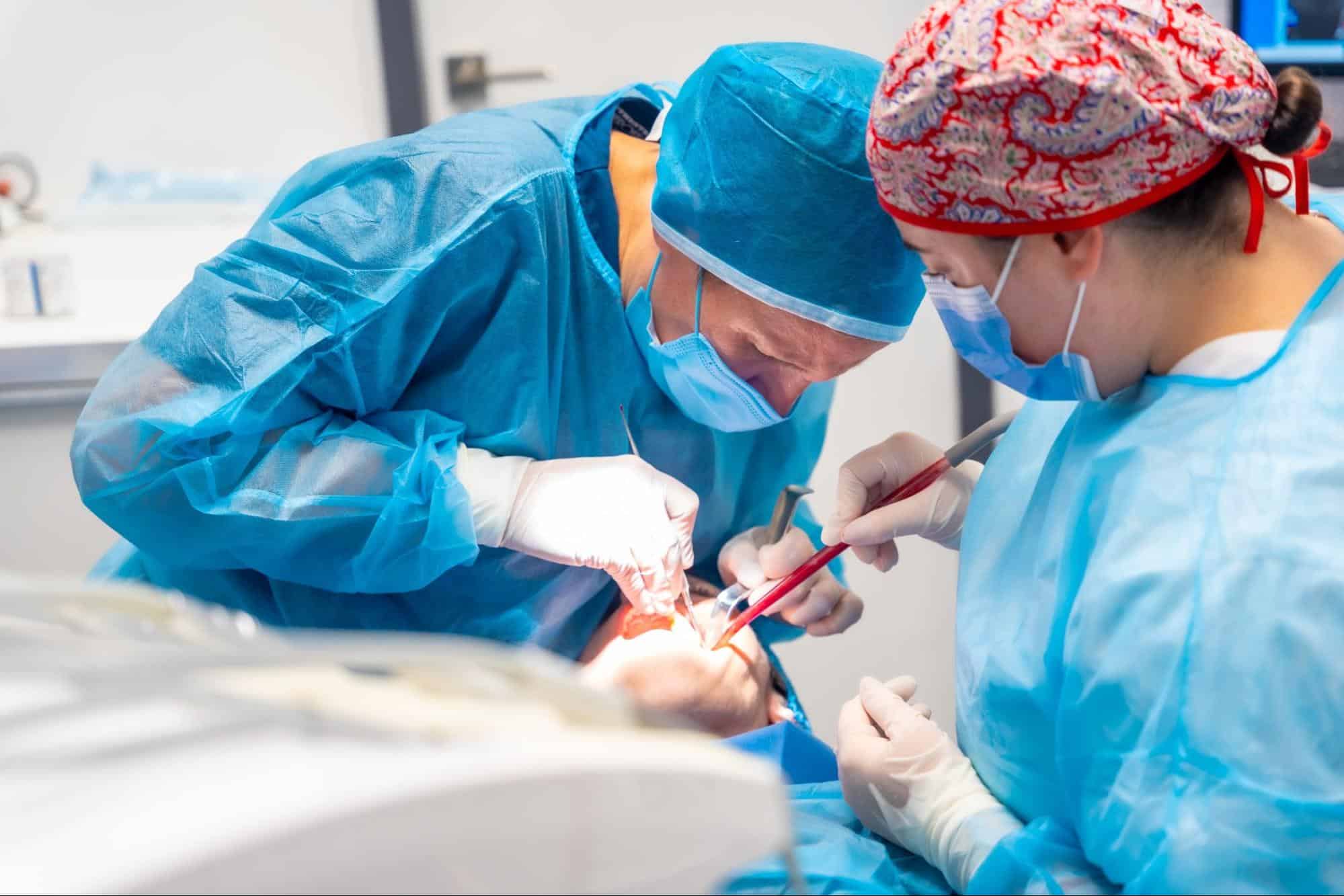
On the surgical day, you check in at the hospital or surgical center. You meet your care team, review the procedure, and receive anesthesia. The surgeon follows the digital plan to reposition the jaw with precision. Small plates and screws hold the bone in place as it heals.
Many also wonder, is jaw surgery considered a major surgery? Yes, it is. It requires anesthesia, bone repositioning, and a structured recovery period. Even so, the process is predictable, safe, and thoroughly planned by both the orthodontist and surgeon.
Types of Orthognathic and Jaw Correction Surgeries
The orthognathic surgery procedure varies based on which part of the jaw needs correction. Each type improves bite function, jaw alignment, or facial harmony. Some patients require one surgery, while others need combined procedures for complete correction.
Upper jaw surgery, also called a LeFort I osteotomy, repositions the upper jaw when it sits too high, too low, too far forward, or too far back. This procedure helps fix open bites, crossbites, and long-face or short-face conditions. Adjusting the upper jaw can also improve nasal airflow.
Lower jaw surgery, known as a bilateral sagittal split osteotomy (BSSO), shifts the lower jaw forward or backward. Patients with weak chins, significant overbites, or underbites often benefit from this correction. The surgeon separates the back portion of the jawbone, repositions it, and secures it with plates.
Chin reshaping surgery, or genioplasty, focuses on the chin position. It enhances facial balance for patients with small, recessed, or asymmetric chins. Genioplasty is frequently combined with other jaw procedures to create a cohesive result.
Some patients require multi-jaw treatment. Combined surgeries adjust both the upper and lower jaws to correct complex bite concerns. This ensures the teeth meet evenly and the face stays in natural balance.
In rare cases, patients need a jaw replacement surgery procedure. This is used when the jaw joint is severely damaged from trauma, degeneration, or congenital issues. The surgeon replaces joint structures with custom prosthetic components to restore motion and comfort.
Each surgical approach is selected for clear functional and aesthetic goals. Thoughtful planning ensures the bite fits, the airway is supported, and facial proportions remain harmonious.
The Corrective Jaw Surgery Process: What to Expect Before and During Treatment
The corrective jaw surgery process includes several phases designed to create a stable, predictable outcome. Patients begin with orthodontic treatment to position the teeth correctly. Before surgery, your orthodontist ensures each tooth will align as planned after the jaw moves.
If you have airway concerns, sleep issues, or significant bite discrepancies, presurgical orthodontics helps improve stability. Treatment often lasts months, depending on the complexity of the case.
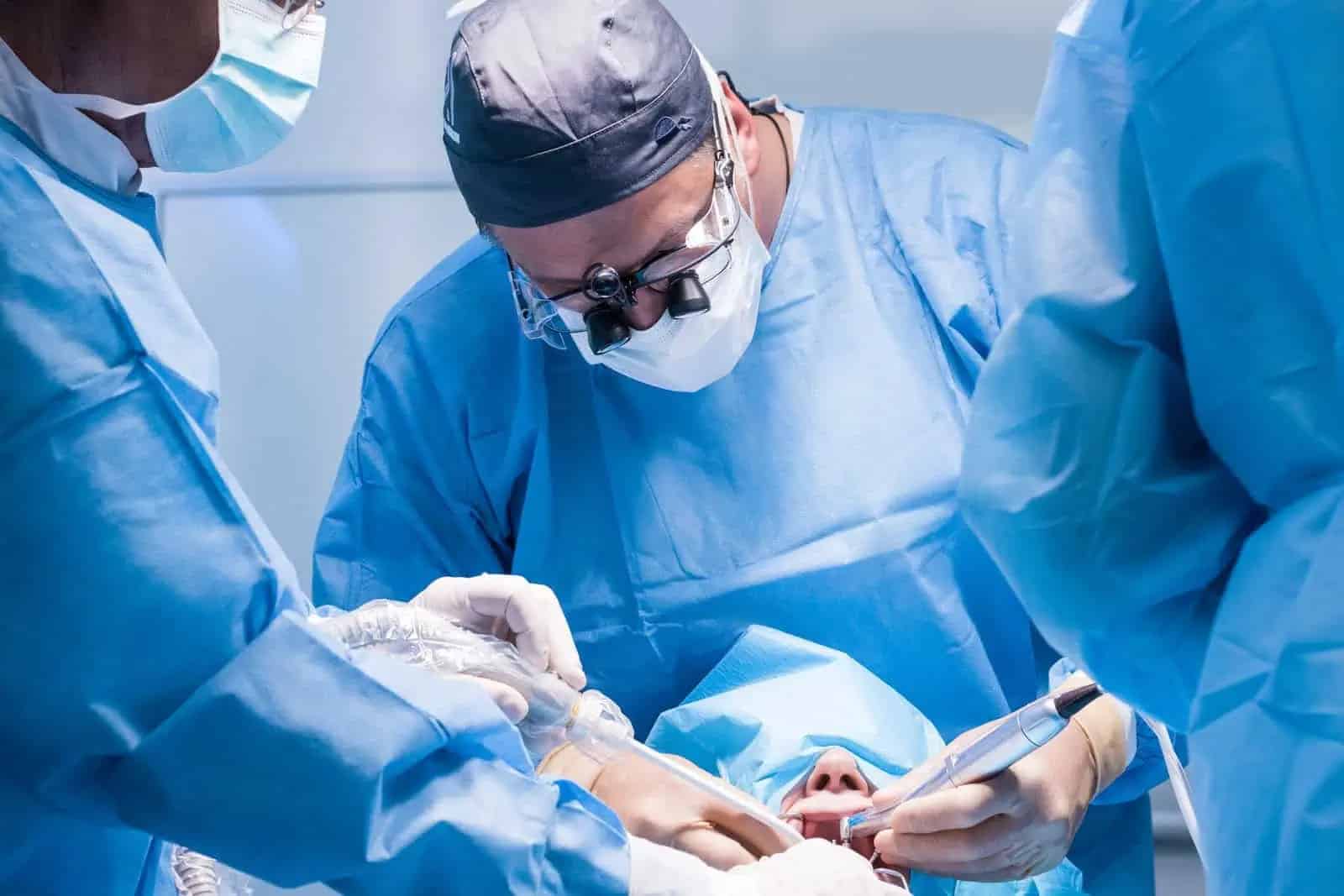
During surgery, the oral surgeon makes small incisions inside the mouth to avoid external scarring. They access the jawbone, reposition it, and stabilize it using titanium plates and screws. These materials remain in place and rarely cause discomfort. General anesthesia keeps the patient asleep and comfortable throughout the procedure.
Patients often ask, Is jaw surgery a hard surgery? For the surgeon, it is complex but routine. For the patient, the process feels manageable thanks to modern techniques, careful planning, and structured recovery support.
Another common question is, How painful is jawline surgery? Most patients experience pressure, stiffness, and swelling rather than sharp pain. Today’s pain-control methods and medications keep discomfort predictable and mild. Many patients return to light activities within days, even while swelling continues to improve.
Post Jaw Surgery Care and Recovery Timeline
Most patients want clear guidance on post jaw surgery care. Recovery begins in the first 72 hours, when swelling peaks and the body starts healing. Cold packs, medications, rest, and hydration help this phase feel more comfortable. Your surgeon may recommend a liquid or soft diet during the first week.
As the days progress, swelling gradually decreases. Bruising fades, and mobility improves. Patients shift to softer foods as strength returns. Speech may feel different at first, but it improves as swelling reduces and the muscles adapt. Good hygiene practices help prevent infection. Gentle brushing, saltwater rinses, and surgeon-approved cleansers keep the mouth clean.
How long is the recovery time for jaw surgery? Most patients feel better in two to four weeks, though complete healing takes several months. Bone stability continues to improve, and the bite settles as orthodontic treatment resumes.
Your post-surgery appearance changes as swelling resolves. The results look more refined every week, with final facial balance visible once the tissues heal fully.
Activity restrictions protect the jaw during healing. Patients avoid strenuous exercise, contact sports, and hard foods until cleared by their surgeon. Follow-up visits ensure stable progress and confirm that the bite remains on track.
Cost of Jaw Surgery: What Influences Pricing?
Many patients ask about the cost of jaw surgery, and the answer varies based on several factors. Insurance plays a major role. Some plans cover jaw surgery when it improves function or airway health. Others classify parts of treatment as elective.
Hospital or surgical center fees depend on facility type, anesthesia time, and length of stay. Surgeon fees reflect training, experience, and the complexity of the procedure. Orthodontic treatment adds to total cost because braces or aligners guide the teeth into proper alignment before and after surgery.
Advanced imaging, digital modeling, and pre-surgical simulations also contribute to overall cost. These tools help create safer procedures and more predictable results. A consultation with your orthodontist and surgeon offers the clearest estimate for your specific case.
Choosing the Right Team for Jaw Surgery
A successful jaw surgery procedure depends on detailed planning, strong communication, and the combined skill of your orthodontist and surgical team. Jaw surgery may feel like a major step, but it offers life-changing improvements in comfort, breathing, bite strength, and facial balance.
When guided by an experienced orthodontic team, patients gain confidence throughout the process. Careful pre-surgical planning, predictable techniques, and structured recovery support create consistent, safe results.
If you have persistent bite issues, facial imbalance, breathing concerns, or ongoing jaw discomfort, exploring treatment options may bring lasting relief. The team at Zaidi Orthodontics is here to help you understand every step, discuss your goals, and ensure you feel supported from the first appointment to the final result.
Schedule a Jaw Surgery Consultation
If you believe jaw surgery may help improve your comfort, health, or confidence, Zaidi Orthodontics is here to guide you. Contact our team to schedule a consultation and learn more about treatment options tailored to your needs.
If jaw pain is your main concern, start with TMJ treatment in Wallingford, CT.