ClickCease

Author name: seo

Family enjoying a day at the beach, walking along the shore with smiles, representing summer fun and togetherness before the Labor Day holiday.

Tips for Having the Best Summer with Braces

What a Summer with Braces Really Looks Like Tips for Having the Best Summer with Braces start with one simple idea: a little planning protects your treatment during the busiest months of the year. Summer brings travel, sports camps, backyard cookouts, and frozen treats, which all create new challenges for braces care. Heat, snacking, and active days can affect comfort, hygiene, and even bracket integrity. At Zaidi Orthodontics, we hear the same questions every June. Can I still go to camp? What about that family road trip? Will my favorite summer foods cause a broken wire? The good news is that summer and braces mix well when you build a few simple habits. This guide walks you through season-specific care, snack swaps, sports protection, and what to do if something pops loose far from home. Stay cool, stay consistent, and your smile transformation stays right on schedule. How to Keep Braces Care Going All Summer Steady habits make all the difference once the weather warms up. Building a portable hygiene kit, hydrating often, and protecting your appliance during sports and travel keep treatment moving forward. Heat can dry out your mouth and irritate brackets, while irregular schedules make brushing easier to skip. A short daily routine, paired with a checkup before any long trip, keeps your smile transformation on track through July and August. Here’s how to make it work, day by day: Pack a travel hygiene kit. Include a soft-bristle toothbrush, fluoride toothpaste, floss threaders or a water flosser, orthodontic wax, and a small mirror. Toss it in your beach bag, backpack, or glove compartment. Hydrate constantly. Water rinses away food particles, fights dry mouth, and reduces irritation around brackets. Carry a refillable bottle and sip throughout the day, especially in the heat. Brush after meals, even on the go. If brushing isn’t possible right away, swish vigorously with water until you can get to a sink. Wear a mouthguard for sports. Whether it’s lacrosse camp, pickup basketball, or skateboarding, an orthodontic mouthguard protects both your braces and your lips. Schedule checkups before trips. Let our orthodontic team check wires, brackets, and aligner fit before you leave town. A quick adjustment now beats a frantic search for help later. Stick to a loose daily routine. Pick anchor times, after breakfast and before bed, when brushing always happens, no matter what the day looks like. Benefits of Staying On Top of Braces Over Summer Staying consistent during summer pays off in real ways once school starts again. Skipping hygiene or ignoring small issues now can stretch treatment time, increase repair visits, and leave lasting marks on your teeth. Here’s what good summer habits protect: Will summer care keep my treatment on schedule? Yes. Consistent care, including wearing rubber bands and aligners as prescribed, keeps your treatment plan on track so braces come off when expected. Missing those small daily steps is one of the most common reasons treatment time stretches longer than planned. How does summer care protect my enamel? Poor brushing around brackets can cause decalcification, those chalky white spots that linger long after braces are removed. Daily care prevents them. A few other payoffs round out the list: Fewer emergency visits. Hard foods and missed checkups are the top causes of broken brackets and poking wires on vacation. A little prevention saves a lot of stress. Better comfort during heat and activity. Hydration and wax keep cheeks and lips happy when temperatures climb and you’re outside more. Protection of your investment. Orthodontic treatment is one of the smartest investments you can make in your appearance and confidence. Summer care safeguards every dollar and every visit. One of the greatest gifts a person can receive is the confidence to smile, and steady summer habits help you get there faster. Snack Smart: Braces-Friendly vs Foods to Avoid Summer cookouts, ice cream stands, and movie nights all come with food choices that can either support or sabotage your braces. The rule of thumb is simple: soft, easy to chew, and not sticky. Hard, crunchy, and chewy foods are the top culprits behind broken brackets and bent wires during summer break. Use this quick comparison when you’re planning a picnic, packing for camp, or eyeing the dessert table: Braces-Friendly Summer Foods Foods to Skip or Modify Yogurt and smoothies Hard candy and lollipops Soft fruits (berries, bananas, peaches) Whole apples (slice them instead) Ice cream and frozen yogurt (plain) Ice cream with nuts, hard candy, or caramel Soft-cooked veggies and pasta salad Corn on the cob (cut kernels off) Pulled pork, soft burgers, hot dogs Sticky caramel, taffy, gummy candy Watermelon and cantaloupe Popcorn and tortilla chips Mac and cheese, deviled eggs Beef jerky and tough steak Cheesecake and soft brownies Chewing on ice cubes A few smart swaps at the BBQ keep your braces intact. Pull corn off the cob into a salad. Slice apples and pears into thin pieces. Choose pulled pork over ribs. Pick plain ice cream over crunch-topped sundaes. You can still enjoy every summer favorite, just with small tweaks to how it lands on your plate. What Summer Braces Care Costs You (Time and Money) Most summer braces care costs very little, while skipping it can get expensive fast. A travel toothbrush, floss, a refillable water bottle, and a small container of orthodontic wax add up to less than the price of a movie ticket. A custom orthodontic mouthguard for sports is an affordable investment that prevents far more costly repairs down the road. What gets expensive is skipping care. Broken brackets mean extra visits. Missed aligner wear means new impressions and longer treatment time. White spots from poor brushing may need cosmetic correction later. A few minutes of daily attention now protects months of progress and the financial commitment you’ve already made to your smile transformation. When you weigh a few dollars in supplies against repeat repair appointments, the math favors prevention every time. Is This Summer the Right Time for Braces Tips? These tips

Tips for Having the Best Summer with Braces Read More ยป

What You Can and Can’t Eat With Braces

Eating With Braces: What Changes and Why It Matters What you can and can’t eat with braces comes down to one simple rule: protect the brackets and wires that are moving your teeth. Hard, sticky, and chewy foods can bend wires or pop brackets loose, while softer choices keep everything intact. Most patients still enjoy plenty of meals with just a few smart swaps. Braces work through gentle, constant pressure from brackets bonded to your teeth and wires threaded between them. When a bracket breaks or a wire bends, that pressure is interrupted, and your treatment slows down. At Zaidi Orthodontics, we see that each broken bracket usually means an extra repair visit, which can push your finish date back noticeably. Here’s the encouraging part. Adjusting how you eat isn’t as limiting as it sounds. With a little planning, you can enjoy most of your favorite foods, protect your investment in orthodontic treatment, and keep your smile transformation on schedule. How Eating With Braces Works (and the First Week) During the first week with braces, stick to soft foods like yogurt, smoothies, mashed potatoes, scrambled eggs, and soup. Your teeth will feel sore for several days after placement or adjustments because they’re starting to shift. Soft foods reduce pressure, ease discomfort, and let you eat comfortably while your mouth adjusts. What to eat with braces the first day is even simpler. Think cool, smooth, and easy to swallow: Cold smoothies and milkshakes (skip the straw if your lips are tender) Greek yogurt or pudding Applesauce Lukewarm soup or broth Mashed potatoes or mashed sweet potatoes Soft scrambled eggs By day three or four, you can usually add soft pasta, well-cooked rice, oatmeal, soft bread, and tender cooked vegetables. Two habits make a big difference during this stretch: cut food into small, bite-sized pieces, and chew with your back teeth instead of biting into anything with your front teeth. By the end of week one, soreness usually fades, and you can slowly reintroduce more textures. If anything still feels tender, give it another day or two. Listening to your mouth during this early stretch sets the tone for the rest of your orthodontic treatment. Foods That Are Always Safe to Eat With Braces You can eat with braces almost anything that’s soft, tender, or easy to chew. Think dairy like yogurt and soft cheese, cooked grains such as pasta and rice, tender proteins, ripe fruits, steamed vegetables, and soft treats like ice cream and pudding. These textures move easily around brackets without putting wires or bonds at risk. The list of what you can eat with braces is longer than most patients expect. As long as foods are soft, tender, or easy to chew, they’re fair game throughout your treatment. Here are braces-friendly options across every food group: Dairy Soft cheeses and string cheese Yogurt and Greek yogurt Pudding and custard Milk, milkshakes, and milk-based smoothies Grains Soft bread and rolls (no hard crusts) Cooked pasta and noodles Soft rice and risotto Oatmeal, cream of wheat, and soft cereals Proteins Tender, slow-cooked meats Soft-cooked or shredded chicken Eggs prepared any soft way Tofu and soft beans Flaky fish like salmon or tilapia Lunchmeats and meatballs Fruits and Vegetables Bananas, ripe peaches, and berries Applesauce and mashed avocado Steamed broccoli, carrots, and green beans Roasted squash and sweet potatoes Cooked spinach and leafy greens Treats Ice cream and sorbet (no nuts or hard mix-ins) Soft cookies (no biscotti or hard varieties) Jello and gelatin desserts Soft cake and muffins Fruit smoothies What You Can’t Eat With Braces: Foods to Avoid The foods you can’t eat with braces fall into a few main categories: hard, sticky, crunchy, chewy, and anything you’d normally bite into with your front teeth. These are the items most likely to break a bracket, bend a wire, or get stubbornly stuck around your appliance. Here’s a quick-reference table to help you scan at a glance: Safe to Eat Avoid During Treatment Soft cheese, yogurt Hard candy, lollipops Cooked pasta, soft bread Hard pretzels, bagels Bananas, applesauce Whole apples, raw carrots Tender chicken, fish Tough steak, beef jerky Ice cream (plain) Nuts, popcorn, ice cubes Soft cookies Caramel, taffy, chewy candy Steamed vegetables Corn on the cob, ribs Smoothies Gum (sugar-free included) Soft tortillas Hard taco shells, chips Pudding, jello Sticky candy, gummy bears The biggest culprits behind broken brackets are usually popcorn kernels, ice chewing, and sticky candies like caramel and taffy. Whole apples, corn on the cob, and hard rolls aren’t off the menu forever, just cut them off the cob, slice them into wedges, or tear them into smaller pieces instead of biting in directly. The Real Cost of Eating the Wrong Foods With Braces A broken bracket isn’t just a minor inconvenience. It usually means calling our practice, scheduling a repair visit, and pausing the steady tooth movement that’s been happening between appointments. Each repair can delay your progress, and several broken brackets across treatment can add meaningful time to your finish date. There’s also a hidden cost: food that gets trapped around brackets and wires. Sticky and sugary foods left behind feed the bacteria that cause cavities and staining around the brackets. When braces come off, no one wants to see white squares where the brackets used to be. At Zaidi Orthodontics, we remind patients that following the food guidelines protects three things at once: The brackets and wires doing the work of moving your teeth Your treatment timeline and finish date The health and appearance of your teeth underneath Think of food choices as part of your treatment, not a side rule. A few mindful swaps each day keep your smile transformation moving forward, and that steady progress is exactly what keeps your finish date on track. Tips for Eating Comfortably With Any Type of Braces A few small habits make eating with braces feel routine instead of restrictive. Whether you’re in traditional metal braces, ceramic braces, or Invisalign, these tips help you

What You Can and Can’t Eat With Braces Read More ยป

Why Summer Is the Best Time to Start Orthodontic Treatment

What Does It Mean to Start Orthodontic Treatment in Summer? The school break opens up a unique window for beginning orthodontic care. Starting orthodontic treatment in summer means beginning braces, Invisalign, or phase one care during that downtime, when patients have more room to settle in comfortably. The relaxed schedule gives kids, teens, and adults flexibility for the initial consultation, appliance placement, and the first few follow-up visits without competing with classes, exams, or extracurriculars. At Zaidi Orthodontics, summer scheduling works for every age group, and families across Connecticut appreciate the easier pace. Younger patients can begin a first orthodontic exam or early treatment. Teens often time braces or Invisalign with the break before high school. Adults appreciate the calmer rhythm too. Summer simply gives everyone breathing room. How Starting Treatment in Summer Works Beginning orthodontic care over the break follows a simple, well-paced process. Most families begin with a free consultation in late spring, schedule appliance placement once school lets out, and use the slower weeks to settle in. By the time fall arrives, patients are already comfortable with their braces or Invisalign routine. Here’s what the timeline usually looks like: Free consultation and exam. Dr. Zaidi reviews your smile, discusses treatment options, and creates a personalized plan, often before the school year ends. 3D dental imaging and records. Detailed scans help map out the most precise treatment approach. Appliance placement. Braces are bonded or the first set of Invisalign aligners is delivered during the early weeks of summer. At-home adjustment. The first few days of soreness pass quickly when patients can rest, eat soft foods, and relax at home. Follow-up visits. Adjustments are scheduled every four to eight weeks, easy to book around vacations and camps. Back-to-school confidence. Patients return to class already familiar with their appliances and care routine. Benefits of Starting Orthodontic Treatment in Summer There are real, practical advantages to beginning orthodontic care during the warmer months. The slower pace removes much of the stress families feel when juggling treatment with school, sports, and after-school commitments. Below are the biggest benefits patients and parents notice. Why Does Summer Make Scheduling and Recovery Easier? Open summer calendars make it easier to book the initial consultation, bonding day, and early adjustments without rearranging the week. Recovery feels gentler too. The first few days with new braces or aligners can be a little tender, and settling in at home, with soft foods and quiet afternoons, is far more comfortable than powering through a school day. Families with flexible summer schedules can also plan visits around vacations, camps, and work commitments. Fewer scheduling conflicts. A more open calendar means easier booking for every early visit. Easier at-home recovery. Quiet afternoons beat tender teeth in a busy classroom. Extra time for extra care. Learning to brush, floss, and clean around new appliances takes practice, and summer gives kids and teens space to build those habits before academic life resumes. How Does a Summer Start Help With Back-to-School Confidence? Less class time is missed because placement and early adjustments happen during the break, which means fewer pickups, sign-outs, and skipped lessons during the school year. Heading back to class with a new smile transformation underway feels great. “One of the greatest gifts a person can receive is the confidence to smile,” and summer treatment gives patients a head start. Parents enjoy more flexibility as well, since they can attend the first visit and a few follow-ups without taking time off work. Less class time missed. The longest visits land during the break. More flexibility for parents. Easier planning around camps, travel, and work. A confidence boost for the new school year. Patients return already settled into their routine. When Is the Best Time to Start? Summer vs. the School Year Both seasons can work for beginning orthodontic care, but the timing really does shape the experience. Summer reduces missed class time, gives patients quiet days to settle in, and frees up parents to attend the first visit without taking time off work. The school year still suits some adult patients or accelerated cases, especially when summer travel is heavy. Here’s a quick side-by-side look: Factor Summer Start School Year Start Scheduling flexibility High, fewer conflicts Moderate, limited by class hours Missed school time Minimal More frequent pickups Adjustment comfort Easier at home Harder during busy days Parent availability Often more flexible Often tighter Best fit Kids, teens, families Adults, accelerated cases For most families, summer wins on convenience and comfort. For adults with steady work routines, either season can work well. What Affects the Cost of Summer Orthodontic Treatment? Pricing for orthodontic care in summer depends on the type of treatment chosen, the length and complexity of the case, and any insurance coverage that applies. The season itself does not change base pricing. What matters is the personalized treatment plan, which is why a free consultation is the most accurate way to understand your investment. Several factors shape the total cost: Treatment type. Traditional braces, Invisalign, and pediatric orthodontics each have different price points. Case complexity. Minor alignment corrections typically require less time and fewer visits than full bite corrections. Treatment length. Most cases run between 12 and 24 months, depending on goals. Insurance benefits. Many plans include orthodontic coverage that offsets a portion of the cost. Extended payment time. Zaidi Orthodontics offers low down payments starting at $250, monthly payments as low as $125, and extended payment plans up to 24 months beyond treatment time. Your initial consultation includes a clear cost estimate so there are no surprises. Who Is a Good Candidate to Start Treatment in Summer? A wide range of patients fits the summer timing well, from first-time pediatric visits to adult Invisalign cases. If you have a flexible break, an upcoming school transition, or simply want time to settle in comfortably, summer is an excellent fit. Good candidates include: Children ready for phase one. Kids around age seven who may benefit from an early orthodontic exam

Why Summer Is the Best Time to Start Orthodontic Treatment Read More ยป

What Is Accelerated Orthodontics and How Does It Work?

What Is Accelerated Orthodontics? Accelerated orthodontics describes techniques that shorten total treatment time by helping teeth move more quickly. It pairs with braces or Invisalign and uses small devices or minor procedures to stimulate bone remodeling, which can trim several months off treatment for the right candidate. These methods are available to patients who want a finished smile sooner without sacrificing quality results. Accelerated approaches don’t replace traditional treatment. Instead, they speed up the biology behind tooth movement, working alongside the appliance you already wear. The technique you choose, the complexity of your case, and your overall oral health all play a role in how much time you can save. For many adults who put off treatment because they didn’t want to spend two years in braces, this option opens the door to a smile transformation that fits real life. How Does Accelerated Orthodontics Work? Accelerated orthodontics works by stimulating the bone around your teeth so it remodels faster, which lets teeth shift into position more quickly. This bone response is triggered through small devices or minor in-office procedures used alongside your braces or clear aligners. The goal is faster, controlled movement without compromising your final result. Several methods can help speed things up: Micro-osteoperforation (Propel): Tiny punctures are made in the bone to trigger a healing response that encourages faster tooth movement. Vibration devices (AcceleDent): A small, hands-free appliance delivers gentle vibrations that may encourage a stronger bone response during treatment. Surgical methods (PAOO): A procedure that loosens the surrounding bone, allowing teeth to shift more readily over a shorter window. Each of these works with both braces and Invisalign. Your orthodontic team will recommend the option that fits your case, your timeline, and your comfort level. As a trained orthodontist, Dr. Zaidi reviews your bite, bone health, and goals before suggesting any acceleration technique, so the plan always matches your needs. Benefits of Accelerated Orthodontics The biggest draw is speed, but the advantages reach further than that. For motivated patients, accelerated methods can make the whole experience feel more manageable, and the upsides show up in different parts of daily life. How Much Time Can You Save? Accelerated treatment can shave several months off the typical timeline, depending on your case and the technique used. That means a faster path to your finished smile without skipping important steps. In some cases, you may also have fewer office visits along the way, which fits busy schedules and family routines. Less time in treatment also means less time wearing visible appliances, a real plus for adults and teens alike. One of the greatest gifts a person can receive is the confidence to smile, and getting there sooner is a meaningful win. Does It Work With Any Treatment Type? Yes. Accelerated methods pair with both braces and Invisalign, so you keep the appliance you prefer. Whether you’ve chosen traditional brackets for their reliability or aligners for their nearly invisible look, acceleration can layer on top without changing your core treatment plan. That flexibility is part of why patients across age groups consider it. Accelerated vs. Traditional Orthodontics Traditional orthodontic treatment typically averages 18 to 24 months, depending on the complexity of your case. Accelerated methods may shorten that window, and many patients find the trade-off between added cost and saved time worthwhile. Both approaches can use braces or aligners, so the choice often comes down to your priorities. Here’s a side-by-side look: Factor Traditional Orthodontics Accelerated Orthodontics Average treatment time 18-24 months Often several months shorter Appliance options Braces or Invisalign Braces or Invisalign Office visit frequency Every 4-8 weeks Similar or fewer in some cases Cost Standard fee Standard fee plus acceleration add-on Comfort Mild soreness after adjustments Possible added soreness with some methods Accelerated orthodontics isn’t right for everyone. The drawbacks include added cost and the chance of some temporary discomfort, especially with surgical methods. A free consultation is the best way to weigh the benefits against these factors for your situation. Cost Factors for Accelerated Orthodontics Accelerated orthodontics adds a fee on top of your standard treatment cost, with pricing shaped by the method chosen, the complexity of your bite, and the appliance you pair it with. Device-based options like AcceleDent are priced differently than surgical approaches such as PAOO. A few things shape your total investment: Method type: Device-based acceleration and surgical procedures carry different price points. Case complexity: More involved misalignment may require longer or more intensive treatment. Insurance: Most plans don’t cover acceleration add-ons, since they’re considered optional enhancements. Appliance choice: Whether you pair acceleration with braces or Invisalign can affect overall costs. At Zaidi Orthodontics, extended payment time is available to make treatment more manageable, with low monthly options designed to fit a range of household budgets. A free consultation gives you a personalized estimate based on your exam and goals, so you’ll know exactly what to expect before committing to any technique. Ask about financing details during your visit, since terms can vary by treatment plan and acceleration method. Are You a Candidate for Accelerated Orthodontics? Accelerated orthodontics suits patients who want faster results and have healthy teeth and gums to support quicker tooth movement. An evaluation confirms whether the timing and your oral health make you a good fit. Generally, the strongest candidates share a few traits. You want a faster finish and a shorter time in treatment. You have healthy teeth and gums that can handle accelerated movement. Your case is mild to moderate, where acceleration tends to work best. You’re motivated and consistent, since following instructions closely drives the best outcomes. Not every smile needs acceleration, and that’s perfectly fine. Dr. Zaidi will examine your teeth, gums, and bone health before recommending any approach. This step makes sure your treatment stays safe and effective from start to finish. Lifestyle also matters here. If you travel often, have a big event on the calendar, or simply want to wrap up treatment before a major life milestone, accelerated methods can help

What Is Accelerated Orthodontics and How Does It Work? Read More ยป

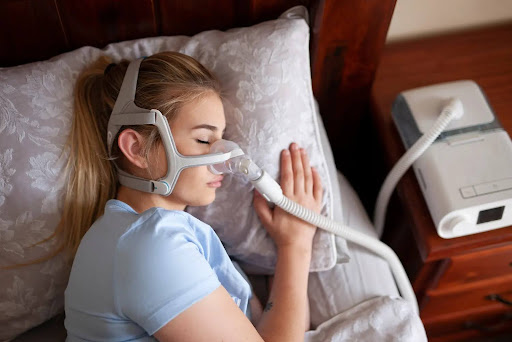
Nighttime sleep monitoring for sleep apnea

Sleep Apnea Symptoms: How to Recognize the Warning Signs

Sleep is essential for physical health, mental clarity, and daily energy. Yet millions of people struggle with poor sleep without realizing that a medical condition may be the cause. One of the most common sleep-related disorders is sleep apnea, a condition that often goes undiagnosed for years. Many people dismiss warning signs as normal sleep habits. Loud snoring, restless nights, and waking up exhausted may seem harmless, but they can actually be early sleep apnea symptoms that deserve attention. Because the condition occurs during sleep, individuals often do not notice the problem themselves. Instead, partners or family members may observe interrupted breathing or unusual sleep behaviors. Recognizing the early indicators can make a significant difference in long-term health. Untreated sleep apnea may affect heart health, energy levels, mood, and overall quality of life. Understanding the warning signs helps patients seek evaluation sooner and find solutions that restore restful sleep. What Is Sleep Apnea? Sleep apnea is a sleep disorder in which breathing repeatedly stops and starts during sleep. These interruptions may last for a few seconds to over a minute and can occur dozens or even hundreds of times throughout the night. When breathing pauses occur, the body briefly wakes up to restart airflow. These interruptions often happen without the person fully realizing it. However, the repeated disturbances prevent the body from reaching deeper stages of restorative sleep. Most cases occur when the airway becomes partially or completely blocked during sleep. This obstruction prevents normal airflow and forces the body to struggle for oxygen. It is important to distinguish between occasional snoring and sleep apnea. While snoring can be harmless in some cases, sleep apnea involves repeated breathing interruptions that can affect oxygen levels and sleep quality. Types of Sleep Apnea Sleep apnea is not a single condition. There are several forms, each with different underlying causes. Obstructive Sleep Apnea (OSA) Obstructive sleep apnea is the most common type. It occurs when the muscles in the throat relax during sleep and the airway becomes blocked. This obstruction reduces or stops airflow, even though the body continues trying to breathe. The symptoms of obstructive sleep apnea often include loud snoring, choking or gasping during sleep, and excessive daytime fatigue. Central Sleep Apnea Central sleep apnea is less common and occurs when the brain fails to send proper signals to the muscles responsible for breathing. In this case, the airway is not physically blocked, but breathing temporarily stops due to neurological communication issues. Complex Sleep Apnea Complex sleep apnea is a combination of obstructive and central sleep apnea. Patients may initially have obstructive apnea and later develop central apnea symptoms during treatment. Understanding the type of sleep apnea is important because it helps doctors determine the most appropriate treatment approach. Common Sleep Apnea Symptoms Sleep apnea can affect many aspects of daily life, but the symptoms often appear gradually. Many people experience signs for years before realizing they may have a sleep disorder. Common sleep apnea symptoms include: Loud, chronic snoring Gasping or choking during sleep Pauses in breathing observed by a partner Waking with a dry mouth or sore throat Morning headaches Difficulty concentrating during the day Irritability or mood changes Persistent fatigue even after a full night of sleep Because these symptoms occur during sleep, people may not immediately connect them to a health condition. However, recognizing these patterns can help individuals seek evaluation earlier. Sleep Apnea Warning Signs You Should Not Ignore While occasional snoring or fatigue can happen to anyone, some sleep apnea warning signs may indicate a more serious problem. These warning signals may include: Breathing pauses noticed during sleep Sudden gasping or choking sounds at night Excessive daytime sleepiness Falling asleep unintentionally during routine activities Difficulty staying asleep Morning headaches that occur frequently Mood changes, including irritability or anxiety These symptoms suggest that the body may not be receiving adequate oxygen during sleep. Over time, untreated sleep apnea can contribute to cardiovascular issues, metabolic disorders, and decreased cognitive performance. If these warning signs occur regularly, it is important to consult a healthcare professional. How to Know If You Have Sleep Apnea Many patients wonder how to know if you have sleep apnea. Because symptoms occur during sleep, diagnosis usually involves professional evaluation and testing. The diagnostic process typically includes several steps. 1. Medical Consultation A doctor begins by reviewing sleep habits, medical history, and symptoms. They may ask about snoring patterns, daytime fatigue, and breathing interruptions during sleep. 2. Sleep Study A sleep study measures breathing patterns, oxygen levels, and brain activity during sleep. This test may be performed in a sleep laboratory or through a home sleep test prescribed by a physician. 3. Airway Evaluation Specialists may examine the airway, jaw alignment, and oral structures to identify potential causes of airway obstruction. 4. Treatment Planning Once a diagnosis is confirmed, healthcare providers recommend treatments based on the severity and type of sleep apnea. Early diagnosis helps prevent complications and improves long-term health outcomes. Risk Factors for Sleep Apnea Certain factors increase the likelihood of developing sleep apnea. While the condition can affect anyone, some individuals are more susceptible due to anatomical or lifestyle factors. Common risk factors include: Narrow airway structure Jaw alignment issues Excess weight Increasing age Family history of sleep apnea Enlarged tonsils or adenoids Nasal obstruction Airway anatomy plays an important role in sleep-related breathing disorders. In some cases, orthodontists evaluate jaw structure and airway space to determine whether structural factors may contribute to breathing difficulties during sleep. Early airway assessments may help identify potential issues before symptoms become severe. Common Symptoms vs Possible Causes Symptom Possible Cause When to See a Doctor Loud snoring Airway obstruction during sleep If snoring is frequent and disruptive Daytime fatigue Interrupted sleep cycles If fatigue affects daily activities Morning headaches Low oxygen levels overnight If headaches occur regularly after waking Dry mouth in the morning Mouth breathing during sleep If dryness occurs consistently Difficulty concentrating Poor sleep quality If cognitive performance declines This table

Sleep Apnea Symptoms: How to Recognize the Warning Signs Read More ยป

Different types of braces and their costs

Types of Braces Cost Comparison: Most Affordable Braces Options Explained

Understanding braces cost is one of the first concerns for teens, parents, and adults considering orthodontic treatment. Prices can vary widely depending on the type of braces, how complex the treatment is, and how long it takes to achieve results. That range can feel confusing at first, especially if you’re trying to balance effectiveness with affordability. The good news is that affordable orthodontic treatment is possible. By learning how different braces work and what influences their pricing, you can make a confident decision that fits both your smile goals and your budget. What Factors Affect the Cost of Braces? Before comparing options, it helps to understand why prices vary in the first place. Orthodontic care is customized, and several variables shape the final investment. Treatment complexity plays a major role. Mild crowding or spacing issues usually require less time and fewer adjustments than more complex bite corrections. Treatment duration matters too—longer treatment generally means more visits and more resources. Materials and technology also affect pricing. Metal brackets, ceramic materials, and clear aligner systems all have different manufacturing and lab costs. Orthodontist expertise is another factor; a board-certified orthodontist brings advanced training and experience that support accurate diagnosis and efficient treatment planning. Taken together, these elements explain why there isn’t a single price tag for braces—and why comparing options thoughtfully matters. Types of Braces and Their Cost Differences When patients ask about a type of braces cost comparison, they’re usually weighing appearance, comfort, and budget at the same time. Here’s how the most common options differ. Traditional metal braces Metal braces have been used for decades and remain a reliable choice. They use stainless steel brackets and wires to guide teeth into alignment. Because they’re efficient and widely available, they are often the most budget-friendly option. They’re especially effective for moderate to complex cases. Ceramic braces Ceramic braces work similarly to metal braces but use tooth-colored or clear brackets that blend in more naturally. They’re less noticeable but slightly more expensive due to materials and handling. Some patients also need to be more mindful of staining. Invisalign and clear aligners Clear aligners use a series of removable trays to straighten teeth gradually. They are popular for their appearance and convenience, but they often cost more than traditional braces, especially for more involved cases. They work best for mild to moderate alignment issues and require strong patient compliance. Other orthodontic options Lingual braces (placed behind the teeth) and limited interceptive appliances may be recommended in specific situations. These are less common and typically fall on the higher end of the cost spectrum due to customization and technique. Braces Cost Comparison Guide Braces Type Average Cost Range Visibility Best For Cost Considerations Metal braces Lower range Most visible All levels of complexity Most economical and efficient Ceramic braces Mid range Less visible Aesthetic-conscious patients Higher material cost Clear aligners Mid to higher range Nearly invisible Mild to moderate cases Requires compliance Lingual braces Higher range Hidden Cosmetic priority cases Highly customized Tip: Exact costs depend on individual treatment needs and orthodontic recommendations. Which Are the Cheapest Braces Options? For many patients, metal braces are typically the most affordable choice. Their straightforward design, durability, and efficiency help keep overall costs lower. This makes them a common recommendation when budget is a top priority or when treatment complexity is higher. That said, the cheapest braces options are not always the “best” for every lifestyle. Ceramic braces and aligners may offer aesthetic braces advantages that some patients value enough to justify a higher cost. The key is understanding the trade-offs between visibility, flexibility, and budget so you can choose confidently. How to Make Braces More Affordable A thoughtful braces cost guide looks beyond the sticker price. There are practical ways to manage expenses without sacrificing quality. Many orthodontic offices offer flexible payment plans that spread costs over time. Insurance benefits, when available, can offset part of the treatment, particularly for children and teens. Some plans also cover adult orthodontics. It’s also helpful to think in terms of long-term value. Effective treatment that’s done right the first time can reduce the likelihood of future dental issues. In that sense, affordable orthodontic treatment isn’t just about paying less—it’s about receiving care that lasts. Meet Your Orthodontist Your treatment experience is shaped as much by your orthodontist as by the braces themselves. Dr. Sheeba Zaidi is a board-certified orthodontist known for patient-centered care and thoughtful treatment planning. Her approach focuses on clear communication, individualized recommendations, and helping patients understand their options so they can make informed decisions about their care. Areas We Serve Orthodontic care through Zaidi Orthodontics is accessible to patients from several surrounding communities, including Wallingford, Simsbury, and Rocky Hill. Families from these areas often choose our practice for convenient access to orthodontic care and clear, transparent guidance when comparing treatment options and costs. Frequently Asked Questions How much do braces usually cost? Costs vary depending on treatment complexity, duration, and brace type. An orthodontic evaluation provides the most accurate estimate. Are metal braces the cheapest option? In many cases, yes. Metal braces are often the most economical due to their efficiency and durability. Does Invisalign cost more than braces? Clear aligners often cost more, especially for complex cases, though pricing can be similar for mild treatments. Does insurance cover braces? Some dental insurance plans include orthodontic benefits, particularly for children. Coverage varies by plan. Are payment plans available for braces? Many orthodontic practices offer monthly payment options to make treatment more manageable. Is cheaper orthodontic treatment still effective? Yes. Cost does not determine effectiveness. The right treatment plan and orthodontist expertise matter most. Do adults pay more for braces than teens? Adults may have different coverage options, but treatment costs are usually based on complexity, not age. Take the Next Step Choosing braces is a personal decision that balances health, appearance, and budget. A consultation with Zaidi Orthodontics is the best way to receive a personalized cost estimate and treatment recommendation tailored to your needs.

Types of Braces Cost Comparison: Most Affordable Braces Options Explained Read More ยป

Patient asking questions to an orthodontist before starting treatment

Key Questions to Ask an Orthodontist Before Starting Treatment

Starting orthodontic care is a meaningful decision, whether it’s for you, your teen, or your child. Braces or Invisalign can improve more than just alignment—they can support long-term oral health, comfort, and confidence. Still, it’s normal to feel unsure at the beginning. Appointments can feel fast, terminology may be unfamiliar, and many patients leave wishing they had asked a few more things. That’s where preparation helps. Knowing the right questions to ask an orthodontist before committing to care allows you to better understand your options, expectations, and responsibilities. It also helps ensure the treatment plan fits your goals, lifestyle, and budget. This guide walks you through the most important topics to cover so you can approach your consultation informed and confident. Why Asking the Right Questions Matters Before Orthodontic Treatment Before orthodontic treatment begins, clear communication sets the foundation for a positive experience. Orthodontics is not a one-size-fits-all process. Every mouth, bite, and timeline is different, which means treatment plans vary widely from patient to patient. Asking thoughtful questions helps you understand why a specific approach is recommended and how it aligns with your needs. It reduces uncertainty about how long treatment may last, what daily life will look like, and what results are realistic. Patients who feel informed tend to feel more comfortable, more engaged, and more confident throughout the process. These conversations also build trust. An orthodontic consultation should feel like a partnership, not a sales pitch. When you ask questions and receive clear answers, you’re better equipped to make decisions that feel right for you or your family. Questions to Ask an Orthodontist About Treatment Options When discussing treatment options, many patients are surprised to learn how many choices may be available. This is an important area to explore thoroughly. You may want to ask which treatment options are appropriate for your specific alignment or bite concerns. For some patients, traditional braces may offer the most precise control. For others, clear aligners may be effective and fit better into daily routines. In some cases, limited or phased treatment may be an option. It’s also helpful to ask why one option is recommended over another. Understanding the reasoning behind the plan helps clarify expectations and prevents confusion later. You can ask whether alternative treatments exist and what the pros and cons of each option might be. Another useful topic is flexibility. Ask whether your treatment plan can be adjusted if circumstances change, such as schedule demands or comfort concerns. These questions help ensure you understand not just what treatment is offered, but why it’s the best fit for you. Understanding Timeline, Comfort, and Daily Life During Treatment Orthodontic treatment affects everyday life in small but meaningful ways. Asking about these details helps you prepare both mentally and practically, especially when preparing for braces or Invisalign. Start by asking about the estimated length of treatment and what factors could shorten or extend that timeline. Compliance, growth, and follow-up visits all play a role. It’s also reasonable to ask how often appointments are needed and what typically happens during those visits. Comfort is another common concern. You can ask what level of soreness is normal, how long it usually lasts, and what can be done to manage it. Understanding what’s expected helps reduce anxiety, especially for younger patients. Daily habits also matter. Ask about eating restrictions, oral hygiene changes, and how treatment may affect sports, musical instruments, or work routines. Knowing these details ahead of time helps you plan and adjust with confidence. Understanding what’s expected of you during orthodontic treatment can make your journey smoother — check out this detailed guide. Questions About Cost, Insurance, and Long-Term Results Financial clarity is essential before starting orthodontic care. Orthodontist consultation questions about cost help avoid surprises and allow families to plan responsibly. You may want to ask what the total cost of treatment includes. Some plans cover appliances, adjustments, retainers, and follow-up visits, while others may itemize certain services. Understanding what’s included helps you compare options accurately. Insurance coverage varies, so it’s important to ask how benefits apply and whether the office assists with claims. You can also ask about payment plans, financing options, and what happens if treatment takes longer than expected. Long-term results are just as important as upfront costs. Ask about retention plans after treatment ends and how long retainers are typically needed. Understanding how results are maintained helps you protect your investment and your smile for years to come. What to Ask About Experience and Treatment Planning Many patients wonder what to ask orthodontist professionals about their background and approach. This is a reasonable and important part of the conversation. You can ask about training, board certification, and experience with cases similar to yours. Orthodontists undergo advanced education beyond dental school, and understanding that background can offer reassurance. It’s also helpful to ask how treatment plans are created. Some orthodontists use digital imaging and simulations, while others rely on traditional models or a combination of tools. Asking how progress is monitored and adjusted can help you understand how closely your treatment will be managed. Follow-up care matters as well. You may want to ask how concerns are handled between visits and what support is available if something feels off. These questions help you understand the level of care and communication you can expect. Meet Dr. Sheeba Zaidi Dr. Sheeba Zaidi is a board-certified orthodontist known for her patient-centered approach and commitment to clinical excellence. With advanced orthodontic training and years of experience treating patients of all ages, she focuses on creating thoughtful, individualized treatment plans that prioritize comfort, clarity, and long-term results. Dr. Zaidi is actively involved in the orthodontic community and stays current with evolving techniques and technology. Her approach emphasizes clear communication, careful planning, and building trust with every patient she treats. Patients often appreciate her calm demeanor and dedication to helping them feel informed at every stage of care. Areas We Serve Our orthodontic care is available to patients and families throughout the

Key Questions to Ask an Orthodontist Before Starting Treatment Read More ยป

Surgeon performing jaw surgery to correct jaw alignment

Jaw Surgery Procedure: Types, Risks, and Recovery Guide

Jaw surgery helps correct significant bite problems, breathing difficulties, facial imbalance, and chronic discomfort linked to jaw misalignment. Many patients consider surgery when orthodontics alone cannot fix functional issues. A carefully planned jaw surgery procedure can improve chewing, speech, airway health, and facial symmetry. It also helps patients who experience recurring jaw pain or difficulty closing their teeth together. Some cases involve a jaw that grew unevenly or healed differently after injury. Others result from congenital differences that affect function. No matter the cause, jaw surgery aims to create a balanced bite and healthier long-term stability. Understanding the Jaw Surgery Procedure A full jaw surgery procedure begins long before the actual operation. The first step is a detailed evaluation that includes dental records, photographs, 3D scans, and bite analysis. Your orthodontist studies how your upper and lower jaws fit and how your teeth meet. Digital planning helps your team design a predictable outcome. This technology shows how the jaws will move and how the bite will look afterward. Orthodontic preparation is also essential. Dr. Sheeba Zaidi guides patients through pre-surgical orthodontics so the teeth will align correctly after surgery. Patients often ask, How do I start the process of jaw surgery? You begin by meeting with an orthodontist experienced in surgical planning. They perform a full exam, create imaging records, and collaborate with an oral surgeon to confirm treatment recommendations. On the surgical day, you check in at the hospital or surgical center. You meet your care team, review the procedure, and receive anesthesia. The surgeon follows the digital plan to reposition the jaw with precision. Small plates and screws hold the bone in place as it heals. Worried about what the jaw surgery experience will really be like? Read our complete guide on what to expect during jaw surgery. Many also wonder, is jaw surgery considered a major surgery? Yes, it is. It requires anesthesia, bone repositioning, and a structured recovery period. Even so, the process is predictable, safe, and thoroughly planned by both the orthodontist and surgeon. Types of Orthognathic and Jaw Correction Surgeries The orthognathic surgery procedure varies based on which part of the jaw needs correction. Each type improves bite function, jaw alignment, or facial harmony. Some patients require one surgery, while others need combined procedures for complete correction. Upper jaw surgery, also called a LeFort I osteotomy, repositions the upper jaw when it sits too high, too low, too far forward, or too far back. This procedure helps fix open bites, crossbites, and long-face or short-face conditions. Adjusting the upper jaw can also improve nasal airflow. Lower jaw surgery, known as a bilateral sagittal split osteotomy (BSSO), shifts the lower jaw forward or backward. Patients with weak chins, significant overbites, or underbites often benefit from this correction. The surgeon separates the back portion of the jawbone, repositions it, and secures it with plates. Chin reshaping surgery, or genioplasty, focuses on the chin position. It enhances facial balance for patients with small, recessed, or asymmetric chins. Genioplasty is frequently combined with other jaw procedures to create a cohesive result. Some patients require multi-jaw treatment. Combined surgeries adjust both the upper and lower jaws to correct complex bite concerns. This ensures the teeth meet evenly and the face stays in natural balance. In rare cases, patients need a jaw replacement surgery procedure. This is used when the jaw joint is severely damaged from trauma, degeneration, or congenital issues. The surgeon replaces joint structures with custom prosthetic components to restore motion and comfort. Each surgical approach is selected for clear functional and aesthetic goals. Thoughtful planning ensures the bite fits, the airway is supported, and facial proportions remain harmonious. The Corrective Jaw Surgery Process: What to Expect Before and During Treatment The corrective jaw surgery process includes several phases designed to create a stable, predictable outcome. Patients begin with orthodontic treatment to position the teeth correctly. Before surgery, your orthodontist ensures each tooth will align as planned after the jaw moves. If you have airway concerns, sleep issues, or significant bite discrepancies, presurgical orthodontics helps improve stability. Treatment often lasts months, depending on the complexity of the case. During surgery, the oral surgeon makes small incisions inside the mouth to avoid external scarring. They access the jawbone, reposition it, and stabilize it using titanium plates and screws. These materials remain in place and rarely cause discomfort. General anesthesia keeps the patient asleep and comfortable throughout the procedure. Patients often ask, Is jaw surgery a hard surgery? For the surgeon, it is complex but routine. For the patient, the process feels manageable thanks to modern techniques, careful planning, and structured recovery support. Another common question is, How painful is jawline surgery? Most patients experience pressure, stiffness, and swelling rather than sharp pain. Today’s pain-control methods and medications keep discomfort predictable and mild. Many patients return to light activities within days, even while swelling continues to improve. Post Jaw Surgery Care and Recovery Timeline Most patients want clear guidance on post jaw surgery care. Recovery begins in the first 72 hours, when swelling peaks and the body starts healing. Cold packs, medications, rest, and hydration help this phase feel more comfortable. Your surgeon may recommend a liquid or soft diet during the first week. As the days progress, swelling gradually decreases. Bruising fades, and mobility improves. Patients shift to softer foods as strength returns. Speech may feel different at first, but it improves as swelling reduces and the muscles adapt. Good hygiene practices help prevent infection. Gentle brushing, saltwater rinses, and surgeon-approved cleansers keep the mouth clean. How long is the recovery time for jaw surgery? Most patients feel better in two to four weeks, though complete healing takes several months. Bone stability continues to improve, and the bite settles as orthodontic treatment resumes. Your post-surgery appearance changes as swelling resolves. The results look more refined every week, with final facial balance visible once the tissues heal fully. Activity restrictions protect the jaw during healing. Patients avoid strenuous exercise,

Jaw Surgery Procedure: Types, Risks, and Recovery Guide Read More ยป

Back-to-school-with-braces

Back-to-School Tips for Kids with Braces

The first day of school is right around the corner, and all of us at Zaidi Orthodontics want to wish our students the very best as they head into a brand-new year! If your child is starting the school year with braces, you might be wondering how to make the adjustment easier. With just a little preparation, they can feel comfortable and confident at school while keeping their treatment on track. Here are some simple, practical tips to help: Keeping Teeth Clean During a Busy School Day Life at school moves fast, and it’s not always easy to squeeze in brushing. Here are a few tricks that help: Make sure your child brushes before school and again before bed. Encourage rinsing with water after lunch if brushing isn’t possible. Send a small “braces kit” in their backpack with a travel toothbrush, toothpaste, floss picks, and orthodontic wax. Even a quick freshen-up after lunch makes a big difference! Packing Braces-Friendly Lunches Certain foods can be tough on braces, but there are plenty of kid-approved options that are safe and filling: Soft sandwiches on regular bread or wraps Yogurt, applesauce, or pudding cups Bananas, grapes, or melon slices Cheese sticks Muffins or soft granola bars (without nuts or caramel) Tip: If your child loves crunchy foods like apples or carrots, just cut them into small bite-sized pieces so they’re easier to chew. Want more ideas? Check out our complete guide to braces-friendly school lunches for kid-approved, smile-safe meals. What to Keep in a Braces “Emergency Kit” Sometimes things happen — a poking wire, a loose rubber band, or food stuck in braces. Having a small kit in the backpack gives kids peace of mind. Pack items like: Orthodontic wax Extra rubber bands (if they wear them) Travel toothbrush & toothpaste Floss picks Lip balm This way, if something comes up, they’ll feel prepared instead of stressed. If your child is ready to start treatment, learn more about getting braces in Wallingford, CT and how we make the process comfortable and stress-free. Planning for Braces This School Year? If you’re considering treatment and comparing options, it’s helpful to understand the costs and benefits of each type. Read our Types of Braces Cost Comparison: Most Affordable Braces Options Explained to explore different braces options and find the best fit for your family’s budget. If your child is ready to start treatment, learn more about getting braces in Wallingford, CT and how we make the process comfortable and stress-free. A Message from Zaidi Orthodontics We know going back to school with braces can be a new experience, but with a little planning, kids can enjoy the school year without missing a beat. From all of us at Zaidi Orthodontics, we wish you a smooth, fun, and smile-filled start to the year. Here’s to new beginnings, happy memories, and bright, confident smiles!

Back-to-School Tips for Kids with Braces Read More ยป

tmj pain relief

TMJ Pain Relief: What Teens Need to Know

If you’re a teenager dealing with jaw pain, clicking sounds when you chew, or headaches that won’t go away, you might be experiencing TMJ disorder. The good news? You’re not alone, and there are plenty of ways to find relief. Let’s dive into everything you need to know about TMJ problems and how to manage them effectively. Understanding TMJ Disorder in Teenagers The temporomandibular joint (TMJ) connects your jawbone to your skull, acting like a sliding hinge that allows you to talk, chew, and yawn. When this joint becomes irritated or inflamed, it can cause a condition known as TMJ disorder or TMD (temporomandibular disorder). For teenagers, this condition is surprisingly common and can significantly impact daily life, making TMJ pain relief a crucial topic to understand. Several factors make teens particularly susceptible to TMJ problems. The stress of school, sports injuries, orthodontic treatment, and even habits like chewing gum excessively can all contribute to jaw joint issues. Additionally, the hormonal changes during adolescence can affect joint health and muscle tension, potentially triggering or worsening TMJ symptoms. Common Symptoms Teens Experience TMJ disorder manifests differently in everyone, but teenagers often report specific symptoms that interfere with their daily activities. The most common symptoms include: • Jaw pain or tenderness – especially when eating or talking • Clicking or popping sounds – when opening the mouth, which can be embarrassing in social situations • Headaches – typically starting near the temples and radiating across the forehead • Ear pain or fullness – even though hearing remains normal • Jaw locking – In severe cases, the jaw might lock in an open or closed position These symptoms can range from mild discomfort to severe pain that interferes with daily activities like eating, speaking, or sleeping. Root Causes of TMJ Problems in Teens Understanding what triggers TMJ disorder in teenagers is crucial for effective treatment. One of the primary causes is stress and anxiety, which are unfortunately common during the teenage years. Academic pressure, social challenges, and extracurricular commitments can lead to unconscious jaw clenching or teeth grinding, particularly during sleep. Physical factors also play a significant role. Sports injuries, especially those involving contact to the face or jaw, can damage the TMJ. Poor posture, increasingly common due to excessive screen time, puts extra strain on the neck and jaw muscles. Additionally, orthodontic treatment, while necessary for many teens, can temporarily affect jaw alignment and contribute to TMJ discomfort. Professional TMJ Pain Relief Options When home remedies aren’t enough, professional treatment becomes necessary for effective TMJ pain relief. Dentists and orthodontists specialising in TMJ disorders can provide customised treatment plans. One common approach involves creating a custom night guard or splint to prevent teeth grinding and reduce jaw muscle tension during sleep. Physical therapy is another effective professional treatment option. Specialised exercises can strengthen jaw muscles, improve range of motion, and reduce pain. Some physical therapists also use techniques like ultrasound therapy or electrical stimulation to provide relief. In rare cases where conservative treatments fail, more advanced interventions like corticosteroid injections or arthroscopic surgery might be considered, though these are typically reserved for severe cases. At-Home Remedies for Immediate Relief Fortunately, many TMJ symptoms can be managed with simple at-home treatments. Applying ice packs to the jaw area for 10-15 minutes can reduce inflammation and numb pain. Alternating with heat therapy, such as a warm compress, can help relax tense muscles and improve blood flow to the area, providing natural TMJ pain relief without medication. Dietary modifications can provide significant relief. Switching to softer foods temporarily reduces strain on the jaw joints. Avoid chewy foods like gum, tough meats, or hard candies. Instead, opt for smoothies, soups, pasta, and other foods that require minimal chewing. Gentle jaw exercises, such as slowly opening and closing the mouth or moving the jaw side to side, can also help maintain flexibility and reduce stiffness. Stress Management Techniques Since stress is a major contributor to TMJ problems in teenagers, learning effective stress management techniques is essential for long-term relief. Regular exercise not only reduces overall stress but also helps release muscle tension throughout the body, including the jaw area. Activities like yoga or swimming are particularly beneficial as they promote relaxation while providing low-impact exercise. Mindfulness and meditation practices can help teens become more aware of jaw clenching habits and learn to consciously relax their facial muscles. Even simple breathing exercises performed for a few minutes daily can make a significant difference. Many teens find that keeping a stress journal helps them identify triggers and develop better coping strategies for challenging situations. The Role of Technology and Gaming Modern teenage life involves significant screen time, whether for schoolwork, social media, or gaming. This constant technology use can contribute to TMJ problems through poor posture and increased stress. When using devices, teens often crane their necks forward, creating tension that extends to the jaw muscles. Gaming, in particular, can be problematic due to the intense concentration and potential stress involved. Competitive gaming sessions can lead to unconscious jaw clenching. To minimise these effects, teens should take regular breaks, maintain proper posture with screens at eye level, and be mindful of jaw tension during intense gaming or study sessions. When to Seek Professional Help While many TMJ symptoms can be managed at home, certain signs indicate the need for professional evaluation. If jaw pain persists for more than a week despite home treatment, or if the pain is severe enough to interfere with eating or sleeping, it’s time to consult a healthcare provider. Similarly, if the jaw locks frequently or if there’s significant swelling around the joint, professional assessment is necessary. Teens should also seek help if TMJ symptoms are accompanied by frequent headaches, earaches, or vision problems. These could indicate more complex issues requiring specialised treatment. Don’t hesitate to speak up about symptoms – early intervention often leads to better outcomes and prevents the condition from becoming chronic. Prevention Strategies for Teens Preventing TMJ problems is often

TMJ Pain Relief: What Teens Need to Know Read More ยป