
Sleep is essential for physical health, mental clarity, and daily energy. Yet millions of people struggle with poor sleep without realizing that a medical condition may be the cause. One of the most common sleep-related disorders is sleep apnea, a condition that often goes undiagnosed for years.
Many people dismiss warning signs as normal sleep habits. Loud snoring, restless nights, and waking up exhausted may seem harmless, but they can actually be early sleep apnea symptoms that deserve attention. Because the condition occurs during sleep, individuals often do not notice the problem themselves. Instead, partners or family members may observe interrupted breathing or unusual sleep behaviors.
Recognizing the early indicators can make a significant difference in long-term health. Untreated sleep apnea may affect heart health, energy levels, mood, and overall quality of life. Understanding the warning signs helps patients seek evaluation sooner and find solutions that restore restful sleep.
What Is Sleep Apnea?
Sleep apnea is a sleep disorder in which breathing repeatedly stops and starts during sleep. These interruptions may last for a few seconds to over a minute and can occur dozens or even hundreds of times throughout the night.
When breathing pauses occur, the body briefly wakes up to restart airflow. These interruptions often happen without the person fully realizing it. However, the repeated disturbances prevent the body from reaching deeper stages of restorative sleep.
Most cases occur when the airway becomes partially or completely blocked during sleep. This obstruction prevents normal airflow and forces the body to struggle for oxygen.
It is important to distinguish between occasional snoring and sleep apnea. While snoring can be harmless in some cases, sleep apnea involves repeated breathing interruptions that can affect oxygen levels and sleep quality.
Types of Sleep Apnea
Sleep apnea is not a single condition. There are several forms, each with different underlying causes.
Obstructive Sleep Apnea (OSA)
Obstructive sleep apnea is the most common type. It occurs when the muscles in the throat relax during sleep and the airway becomes blocked. This obstruction reduces or stops airflow, even though the body continues trying to breathe.
The symptoms of obstructive sleep apnea often include loud snoring, choking or gasping during sleep, and excessive daytime fatigue.
Central Sleep Apnea
Central sleep apnea is less common and occurs when the brain fails to send proper signals to the muscles responsible for breathing. In this case, the airway is not physically blocked, but breathing temporarily stops due to neurological communication issues.
Complex Sleep Apnea
Complex sleep apnea is a combination of obstructive and central sleep apnea. Patients may initially have obstructive apnea and later develop central apnea symptoms during treatment.
Understanding the type of sleep apnea is important because it helps doctors determine the most appropriate treatment approach.
Common Sleep Apnea Symptoms

Sleep apnea can affect many aspects of daily life, but the symptoms often appear gradually. Many people experience signs for years before realizing they may have a sleep disorder.
Common sleep apnea symptoms include:
- Loud, chronic snoring
- Gasping or choking during sleep
- Pauses in breathing observed by a partner
- Waking with a dry mouth or sore throat
- Morning headaches
- Difficulty concentrating during the day
- Irritability or mood changes
- Persistent fatigue even after a full night of sleep
Because these symptoms occur during sleep, people may not immediately connect them to a health condition. However, recognizing these patterns can help individuals seek evaluation earlier.
Sleep Apnea Warning Signs You Should Not Ignore
While occasional snoring or fatigue can happen to anyone, some sleep apnea warning signs may indicate a more serious problem.
These warning signals may include:
- Breathing pauses noticed during sleep
- Sudden gasping or choking sounds at night
- Excessive daytime sleepiness
- Falling asleep unintentionally during routine activities
- Difficulty staying asleep
- Morning headaches that occur frequently
- Mood changes, including irritability or anxiety
These symptoms suggest that the body may not be receiving adequate oxygen during sleep. Over time, untreated sleep apnea can contribute to cardiovascular issues, metabolic disorders, and decreased cognitive performance.
If these warning signs occur regularly, it is important to consult a healthcare professional.
How to Know If You Have Sleep Apnea
Many patients wonder how to know if you have sleep apnea. Because symptoms occur during sleep, diagnosis usually involves professional evaluation and testing.
The diagnostic process typically includes several steps.
1. Medical Consultation
A doctor begins by reviewing sleep habits, medical history, and symptoms. They may ask about snoring patterns, daytime fatigue, and breathing interruptions during sleep.
2. Sleep Study
A sleep study measures breathing patterns, oxygen levels, and brain activity during sleep. This test may be performed in a sleep laboratory or through a home sleep test prescribed by a physician.
3. Airway Evaluation
Specialists may examine the airway, jaw alignment, and oral structures to identify potential causes of airway obstruction.
4. Treatment Planning
Once a diagnosis is confirmed, healthcare providers recommend treatments based on the severity and type of sleep apnea.
Early diagnosis helps prevent complications and improves long-term health outcomes.
Risk Factors for Sleep Apnea
Certain factors increase the likelihood of developing sleep apnea. While the condition can affect anyone, some individuals are more susceptible due to anatomical or lifestyle factors.
Common risk factors include:
- Narrow airway structure
- Jaw alignment issues
- Excess weight
- Increasing age
- Family history of sleep apnea
- Enlarged tonsils or adenoids
- Nasal obstruction
Airway anatomy plays an important role in sleep-related breathing disorders. In some cases, orthodontists evaluate jaw structure and airway space to determine whether structural factors may contribute to breathing difficulties during sleep.
Early airway assessments may help identify potential issues before symptoms become severe.
Common Symptoms vs Possible Causes
| Symptom | Possible Cause | When to See a Doctor |
| Loud snoring | Airway obstruction during sleep | If snoring is frequent and disruptive |
| Daytime fatigue | Interrupted sleep cycles | If fatigue affects daily activities |
| Morning headaches | Low oxygen levels overnight | If headaches occur regularly after waking |
| Dry mouth in the morning | Mouth breathing during sleep | If dryness occurs consistently |
| Difficulty concentrating | Poor sleep quality | If cognitive performance declines |
This table helps patients understand how different symptoms may relate to sleep apnea and when medical evaluation may be appropriate.
How Orthodontic Treatment Can Help Airway Health
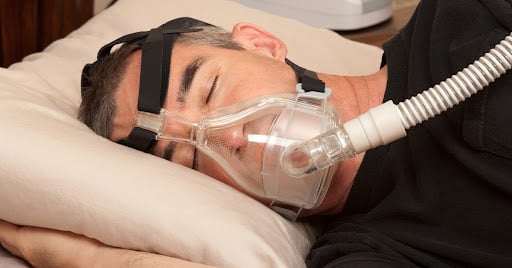
Orthodontics is commonly associated with straightening teeth, but airway health is also an important consideration in some cases.
Certain structural factors in the jaw or palate may contribute to airway restriction. When appropriate, orthodontic treatment may help improve airway space and breathing function.
Examples of airway-related orthodontic approaches include:
Palatal Expansion
Expanding the upper jaw can increase space in the nasal airway, potentially improving airflow.
Oral Appliance Therapy
Custom oral appliances may reposition the jaw during sleep to keep the airway open.
Bite Correction
Adjusting jaw alignment can sometimes help reduce airway obstruction during sleep.
It is important to note that orthodontic treatment is not a replacement for medical sleep apnea care. However, collaborative care between orthodontists, sleep specialists, and physicians may provide comprehensive solutions for some patients.
Meet Dr. Sheeba Zaidi
Dr. Sheeba Zaidi is a highly trained orthodontist with extensive experience in orthodontics and dentofacial orthopedics.
She earned her dental degree from the Tufts University School of Dental Medicine, where she developed a strong foundation in patient-centered dental care. Following dental school, she pursued advanced specialty training through a fellowship in orthodontics and maxillofacial orthopedics at St. Barnabas Hospital in New York.
Dr. Zaidi is board certified by the American Board of Orthodontics, a distinction that reflects her commitment to the highest clinical standards in orthodontic care.
In addition to treating patients, Dr. Zaidi actively contributes to the dental community through leadership and education. She has served in professional leadership roles and directs continuing education study clubs that help dental professionals stay informed about evolving treatment methods.
Her approach emphasizes interdisciplinary care, collaborating with other healthcare professionals when necessary to support each patient’s overall health and well-being.
Areas We Serve
Patients from several surrounding communities visit Zaidi Orthodontics for orthodontic care and airway evaluation.
We proudly serve patients from:
- Wallingford
- Simsbury
- Rocky Hill
Families from these communities seek orthodontic treatment for children, teens, and adults who want healthier smiles and improved oral function. Our team works closely with patients to evaluate dental alignment, jaw structure, and potential airway concerns when appropriate.
Frequently Asked Questions
What are the most common sleep apnea symptoms?
Common sleep apnea symptoms include loud snoring, gasping during sleep, and daytime fatigue. Morning headaches and dry mouth may also occur.
Can sleep apnea go away on its own?
Sleep apnea usually does not resolve without treatment. Medical evaluation is important to prevent health complications.
What is the difference between snoring and sleep apnea?
Snoring is caused by vibrating throat tissues. Sleep apnea involves repeated pauses in breathing during sleep.
How is obstructive sleep apnea diagnosed?
Doctors diagnose obstructive sleep apnea through a sleep study that monitors breathing, oxygen levels, and sleep patterns.
Can orthodontic treatment help with sleep apnea?
In some cases, orthodontic treatments or oral appliances can help improve airway space and support better breathing during sleep.
Take the First Step Toward Better Sleep
Recognizing sleep apnea symptoms early can make a significant difference in long-term health and quality of life. Loud snoring, daytime fatigue, and interrupted breathing during sleep should never be ignored. These signs may indicate that the body is struggling to maintain healthy airflow during rest.
If you suspect that you or a loved one may be experiencing sleep apnea, seeking professional evaluation is an important step toward better sleep and improved well-being.
At Zaidi Orthodontics, patients receive comprehensive orthodontic care that considers both dental alignment and airway health. If you have concerns about sleep-related breathing or jaw structure, a professional consultation can help determine the best path forward.