
ClickCease

Oral Health

sleep apnea treatment

Sleep Apnea: Could It Be Affecting Your Teen?

Most parents of teenagers are familiar with their children’s struggles to get enough sleep. Between early school start times, homework, extracurricular activities, and the natural shift in circadian rhythms that occurs during adolescence, many teens appear perpetually exhausted. But what if your teen’s fatigue goes beyond typical teenage sleep deprivation? What if something more serious, like sleep apnea, is affecting your child? What Is Sleep Apnea and How Common Is It in Teens? Sleep apnea is a sleep disorder characterized by pauses in breathing during sleep. These episodes can last 10 seconds or longer and may occur repeatedly throughout the night, disrupting normal sleep patterns and reducing oxygen levels. Contrary to popular belief, sleep apnea isn’t just an adult problem. Studies suggest approximately 1-4% of children suffer from obstructive sleep apnea (OSA), with higher prevalence in certain populations such as children with obesity, Down syndrome, or craniofacial abnormalities. The most common form in teenagers is obstructive sleep apnea (OSA), where tissues in the throat temporarily block the airway. There’s also central sleep apnea, which occurs when the brain fails to send proper signals to the muscles controlling breathing. Some teens may experience a combination of both types. Warning Signs Your Teen Might Have Sleep Apnea Sleep apnea is a serious sleep disorder that can affect children and teenagers alike. It is characterized by disrupted breathing patterns during sleep, resulting in frequent pauses or shallow breaths. But how can you tell if your teen is affected? Look for these warning signs: Physical Symptoms Loud, persistent snoring – While not all snorers have sleep apnea, consistent loud snoring is a red flag Gasping, choking, or snorting during sleep Observed pauses in breathing during sleep Mouth breathing (especially during sleep) Morning headaches Dry mouth upon waking Night sweats Restless sleep Bedwetting that persists beyond the normal age Behavioral and Cognitive Signs Sleep deprivation created by sleep apnea can cause a teen to experience negative effects including mood changes such as irritability or depression, negative changes in academic performance as the exhausted teen struggles to concentrate, and weight gain due to sleep interruptions affecting hormones that control appetite. Research from the University of Arizona found that among children who continued to suffer from OSA into their teens, there was a higher rate of problems with attention, hyperactivity, aggressiveness, difficulties controlling emotions, and managing social situations, as well as diminished capacity to care for themselves independently. Many of these symptoms overlap with typical teenage behavior or other conditions like ADHD, making sleep apnea easily overlooked in this age group. Why Is Sleep Apnea Treatment Important for Teens? Effective management of sleep-disordered breathing is crucial for teens’ overall health, development, and quality of life. Without proper intervention, sleep apnea can lead to serious consequences: The effects of obstructive sleep apnea in kids and teens include daytime sleepiness, inflammation, high blood pressure, and cardiovascular problems. A child can develop growth, cognitive, and behavioral problems as a result of poor quality sleep. Untreated sleep apnea may affect: Academic performance: Chronic sleep deprivation impairs learning, memory, and concentration Physical development: Growth hormone is primarily released during deep sleep Mental health: Increased risk of depression, anxiety, and mood disorders Cardiovascular health: Elevated blood pressure and strain on the heart Metabolic function: Disrupted hormones affecting weight and glucose metabolism The good news is that with proper intervention for sleep-disordered breathing, many of these issues can improve significantly. Treatment Options for Teen Sleep Apnea Treatment How It Helps Best For Tonsil/Adenoid removal Removes airway blockage Enlarged tonsils CPAP therapy Keeps airway open with air pressure Moderate–severe cases Weight management Reduces airway pressure Overweight teens Oral appliance Moves jaw forward Mild–moderate OSA Orthodontic expansion Widens airway space Narrow jaw/palate Myofunctional therapy Strengthens tongue muscles Mouth breathers Risk Factors for Teen Sleep Apnea Understanding risk factors can help identify teens who might need evaluation: Obesity: Excess weight, especially around the neck, can narrow airways Family history: Sleep apnea often runs in families Anatomical features: Large tonsils or adenoids, small jaw, recessed chin Nasal obstruction: From allergies, deviated septum, or chronic sinusitis Neuromuscular disorders: Conditions affecting muscle control Down syndrome or other genetic conditions History of premature birth Sex: OSA is somewhat more common in males Diagnosing Sleep Apnea in Teens If you suspect your teen has sleep apnea, the first step is discussing your concerns with your pediatrician or family doctor. After a clinical evaluation, they may refer you to a sleep specialist. The best way to determine whether a child or teen has sleep apnea is through an overnight sleep study (polysomnography) in a pediatric sleep lab. During this study, various parameters are monitored including breathing patterns, oxygen levels, brain activity, and heart rate while your teen sleeps. It’s worth noting that the criteria for diagnosing sleep apnea in children and teens differs from adults. If a child has more than one interruption in their breathing each hour, that’s considered obstructive sleep apnea, while for adults, the cutoff is five pauses in breathing each hour. Comprehensive Sleep Apnea Treatment Options for Teens Effective sleep apnea treatment approaches depend on the underlying cause and severity of the condition. A multidisciplinary approach may include: Surgical Interventions Removal of enlarged tonsils and adenoids (adenotonsillectomy) is the most common surgical treatment for children with obstructive sleep apnea, with an impressive success rate of about 80%. The procedure typically lasts one hour under general anesthesia, with children usually returning to school within 1-2 weeks. Continuous Positive Airway Pressure (CPAP) Therapy CPAP therapy may be used in children or teenagers who have persistent sleep apnea despite other treatment efforts. This involves delivering a constant flow of air through a face mask worn over the nose or nose and mouth during sleep. However, it’s important to note that many teenagers gradually lose interest in CPAP therapy, making long-term adherence challenging. Weight Management For overweight or obese teens, studies have shown that reducing body fat helps reduce the severity of sleep apnea symptoms. Excess weight can put pressure on the

Sleep Apnea: Could It Be Affecting Your Teen? Read More »

Kristin Cavallari and Palatal Expanders

It’s no easy feat to have one of the best smiles in Hollywood. The reality TV starlet Kristin Cavallari attributes her gorgeous smile to routine oral hygiene, the removal of two impacted wisdom teeth, and having undergone orthodontic treatment. Kristin’s treatment began in sixth grade when she was fitted with a device Dr. Sheeba Zaidi and our team call a palatal expander, which is used to guide upper jaw growth in our younger patients. What is a palatal expander? A palatal expander “expands” (or widens) your upper jaw by applying gentle pressure on your upper molars, and is used to make the bottom and upper teeth fit together better. In addition, palatal expanders work to create more room for teeth, as well as promote a broader, more appealing smile. Do palatal expanders hurt? Palatal expanders are usually not painful, however you may experience difficulty speaking and swallowing for the first few days. Adjusting your palatal expander as instructed by Dr. Sheeba Zaidi will ensure there are no delays in regards to your treatment plan. Typically, it takes a few weeks to achieve the desired amount of expansion, after which you will keep wearing your expander for about six months, giving time for the new bone to form and stabilize. Dr. Sheeba Zaidi and our team at Zaidi Orthodontics will give you detailed instructions about how to adjust your appliance and can answer any questions you may have about your palatal expander. If you have any questions about your palatal expander or your treatment plan with Dr. Sheeba Zaidi, please give us a call at our Wallingford, CT office!

Kristin Cavallari and Palatal Expanders Read More »

Thanksgiving Trivia

At Zaidi Orthodontics we love learning trivia and interesting facts about Thanksgiving! This year, Dr. Sheeba Zaidi wanted to share some trivia that might help you feel a bit smarter at the holiday dinner table and help create some great conversation with friends and family. The Turkey There is no historical evidence that turkey was eaten at the first Thanksgiving dinner. It was a three-day party shared by the Wamponoag Indians and the pilgrims in 1621. Historians say they likely ate venison and seafood. According to National Geographic, the dinner at the Plymouth colony was in October and included about 50 English colonists and 90 American Indian men. The first Thanksgiving dinner could have included corn, geese, and pumpkin. Today, turkey is the meat of choice. According to the National Turkey Association, about 690 million pounds of turkey are consumed during Thanksgiving, or about 46 million turkeys. The Side Dishes The green bean casserole became popular about 50 years ago. Created by the Campbell Soup Company, it remains a popular side dish. According to Campbell’s, it was developed when the company was creating an annual holiday cookbook. The company now sells about $20 million worth of cream of mushroom soup each year, which is a major part of the recipe. While there were likely plenty of cranberries for the pilgrims and Indians to enjoy, sugar was a luxury. What we know today as cranberry sauce was not around in those early Thanksgiving days. About 750 million pounds of cranberries are produced each year in the US, with about 30 percent consumed on Thanksgiving. The Parade Since Thanksgiving did not become a national holiday until Lincoln declared it in 1863, the annual parades were not yearly events until much later. The biggest parade that continues to draw crowds is the Macy’s Thanksgiving Day Parade. Beginning in 1924 with about 400 employees, they marched from Convent Avenue to 145th Street in New York City. Famous for the huge hot-air balloons today, it was actually live animals borrowed from the Central Park Zoo that were the stars of the show then. However you choose to spend your Thanksgiving holiday, we wish you a safe, happy and healthy holiday with those you love.

Thanksgiving Trivia Read More »

Considerations When Picking the Right Mouthwash

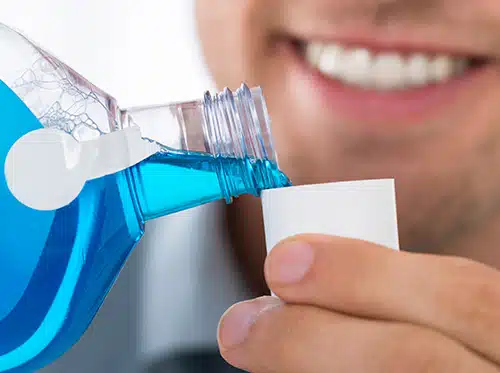
A solid oral health routine begins with daily brushing, flossing, and rinsing. Without a consistent oral health regimen, you may begin to experience tooth decay and bacterial infections. Few patients ask Dr. Sheeba Zaidi about different mouthwash options, so we’ve put together a list of the conditions that mouthwashes can treat. This should help you decide which oral rinse would be best for you. Gum Health Antiseptic mouthwashes reduce large amounts of bacteria on and near the gum line and generally help to decrease your chances of developing gingivitis. The key ingredients of antiseptic mouthwashes are antibacterial and antimicrobial items. Antiseptic mouthwash is a preferable option if you are concerned about the general gum health of your mouth. Fluoride Fluoride is a great tool for preventive tooth decay treatment. It prevents tooth decay and is great for oral health in general because it kills germs that can live in your mouth. Fluoride also builds stronger teeth. If you’re a bottled water drinker, Dr. Sheeba Zaidi may recommend that you purchase a simple fluoride rinse to use after brushing. Bad Breath Fluoride mouthwash can be used to fight any bad breath issues you may be facing. It’s designed to combat any bacteria that might be building up in your mouth. Most mouthwashes will help eliminate bad breath, but some are specifically designed to address this difficult problem. If you feel as though this might be turning into a chronic problem, please contact Dr. Sheeba Zaidi to discuss other options that would be effective for treating your symptoms. American Dental Association (ADA Approval) The ADA reviews all mouth rinses for safety measures and to prove effectiveness. Any mouthwash approved by the ADA has met strict guidelines according to whether the manufacturer’s claims are supported with scientific evidence. If you’re looking for a quality mouthwash, look for one that has the ADA seal of approval to ensure you have a great rinse for your mouth. Considerations When you’re trying to decide which mouthwash to pick, contact our Wallingford, CT or ask Dr. Sheeba Zaidi during your next appointment. If you experience a burning sensation in the soft tissues of your mouth, be sure to discontinue use immediately. Avoid letting children under age six use a mouth rinse, and be sure to keep all mouthwashes out of the reach of children, because they contain alcohol and other substances that could be harmful.

Considerations When Picking the Right Mouthwash Read More »

National Brush Day

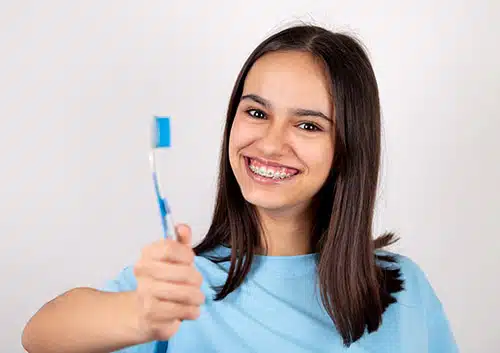
October 31—Halloween. Fourth Thursday in November—Thanksgiving. And, in between these two favorite autumn holidays, we have November 1—National Brush Day! Okay, okay. Maybe National Brush Day isn’t quite as well-known as Halloween or Thanksgiving, but we take any opportunity to celebrate your dental health. So, let’s celebrate brushing! After all, brushing is vital for healthy teeth and gums. Brushing is your first line of defense against plaque. Plaque forms all day long. Plaque sticks to your teeth. Plaque is filled with bacteria which produce cavity-causing acids. Brushing regularly means plaque won’t stay on your teeth long enough to cause serious tooth decay. Brushing effectively is especially important while you wear braces. Plaque collects around brackets and can cause enamel discoloration if it’s allowed to build up. Brushing is also important for your gum health. Angling your brush to carefully clean plaque and bacteria away from your gum line helps prevent gum disease. To make the most of the time you spend brushing, let’s take a moment to review some basics on National Brush Day. Are You Brushing Correctly? Big, broad brushstrokes aren’t the answer. Instead, use short up-and-down or circular strokes over each tooth—outside, inside, and on the flat surfaces of your molars. Because plaque forms all day, you need to keep on top of it. Brushing at least twice a day for two minutes each time is a good general rule, but doesn’t always hold true during orthodontic treatment. If you wear braces, Dr. Sheeba Zaidi will probably recommend brushing after each meal or snack to make sure plaque and food particles don’t stick to your teeth and your braces. Take advantage of the special orthodontic brushes that are available if your old brush isn’t cleaning your braces (and your teeth!) as well as you’d like. A brush with a smaller head or different shaped bristles might make all the difference. If you have aligners, you take them out to eat. It’s always a good idea to brush before you replace them. Otherwise, food particles which would normally be brushed away or washed away by saliva are trapped next to your teeth. Brushes are meant to clean, not to scrub. You don’t need a heavy hand for cleaner teeth. Which also means, there’s almost never a good time to brush with a hard-bristled brush. Hard bristles, along with hard brushing, can actually damage your enamel. Stick to a soft-bristled brush for dental TLC. Are You Taking Care of Your Brush? To clean away bacteria and viruses you might have picked up during the day, wash your hands before brushing and flossing. Shake your brush dry when you’re finished and then let it air-dry upright with the handle pointing down. Only use a case for travel, and make sure it has air holes for ventilation. (Bacteria thrive in a wet environment.) If your toothbrush lives in the bathroom, close the toilet seat before flushing to avoid airborne particles. No matter how close you are to your family members or roommates, don’t share your toothbrush. Sharing doesn’t mean caring in this case—it means sharing germs. Your brush should keep a healthy distance from other brushes as well. And no matter how fond you are of your brush, be prepared to replace it often! Most brushes last three to four months at best, because bristles start to fray and can’t clean effectively after several months of use. It’s no coincidence that National Brush Day comes right after Halloween, the most sugar-filled holiday of them all. So, how can we mark the occasion? Take a moment to review your brushing habits. Check out the brushes designed for orthodontic treatment. Treat yourself to a new toothbrush. Brushing your teeth properly is one of the easiest things you can do to protect your oral health. That’s something to celebrate!

National Brush Day Read More »

Witch Halloween Treats Are Trickiest for Your Teeth and Braces?

It’s that time of year again—Halloween! Carving pumpkins. Creating costumes. And, of course, collecting candy. But some of the candies in that collection aren’t much of a treat for your teeth. When you’re deciding on the perfect pieces to choose from the candy cauldron, here are some tricks to identify the ones that can be more frightful than delightful for your tooth enamel and braces: Is It Chewy or Sticky? Any sticky or chewy candy—caramels, taffy, licorice, gummy anythings—is candy that also sticks to your teeth. And it really sticks in between your teeth, where it’s harder to brush away. The problem? Bacteria in plaque love sugar, and sticky candies provide them with hours of sugary feasting. Bacteria use this sugar to make acids, and acids cause weak spots in tooth enamel. These weak spots will get bigger over time as the bacteria keep on attacking your enamel, and that’s how you can end up with a cavity. Less sugar which spends less time on your teeth = fewer cavities! And there’s another good reason to pass up chewy treats if you wear braces. Candy can get stuck under your brackets and wires, or be sticky enough to pull a bracket right off a tooth. Is It Sour? Sour candies get that intense, lip-puckering taste because they’re so acidic. What’s wrong with acids? Just like the acids made by bacteria, acids in food attack our tooth enamel, too. Sour candies are hard on your teeth all by themselves. When you eat a candy that’s both sour (acidic) and gummy (sticky), all coated in sugar, that’s triple trouble! Is It Hard or Crunchy? Some kids like hard candies like lollipops and fruity drops because they last a long time. But that’s the problem. All that time a hard candy rolls around in your mouth is time spent bathing your teeth with sugar. Thinking of shortening your sugar exposure by chewing hard candies? Also a bad idea! Crunching into a piece of hard candy can chip or crack a tooth and even damage fillings. Crunchy treats can be hard on braces, too. Peanut brittle, nutty candy bars, candy apples, popcorn balls, or any hard or crunchy candy can damage your brackets and wires when you bite down. Luckily, there are healthier trick-or-treating choices if you know what to look for. Soft Candies and Chocolates A chocolate bar, a peanut butter cup, mint patties, and other soft candies won’t stick around on your teeth the same way chewy or hard candies do. No sour acids, either. And because dark chocolate has less sugar than lighter chocolates, it’s an even healthier choice. Bonus: They’re easy to bite and chew when you wear braces! Sugar-Free Gum This treat is not only sugarless, but chewing it helps us make more saliva. Saliva washes away sugary food particles and helps neutralize the acids in the mouth. If you wear braces, check with Dr. Sheeba Zaidi to see if sugar-free gum is safe for your brackets and wires. No need to skip the trick-or-treating this year. Occasional sugary or acidic treats can be balanced out with daily brushing and flossing, a healthy diet, and regular visits to your dentist for exams and cleanings. When you do enjoy a treat that’s sugary or acidic, there are tricks to help you keep your smile healthy and cavity-free. Eat a treat or two with your meals instead of snacking through the day. You won’t be exposing your teeth to sugar for hours at a time, which means bacteria and acids won’t be haunting your enamel all day long. Drink water. If you eat your candy with an acidic soda, you’re getting sugar + sugar + acids. That’s a scary recipe when it comes to healthy teeth! Water helps wash away sugar and acids—and, if you have fluoridated water in your community, you’ll be getting a bit of fluoride to strengthen your enamel, too. Halloween is no time to ghost your toothbrush and floss. Be extra careful to brush and clean between your teeth after eating sweets. Wearing braces? Don’t forget to clean around your brackets and wires. Using aligners? Be sure to brush well after you eat something sugary before you replace them. If you’re wearing braces this Halloween season, it’s important to avoid all the sticky, hard, and crunchy treats to keep your braces and your treatment schedule intact. Any questions? Talk to Dr. Sheeba Zaidi at our Wallingford, CT office to learn the best ways to keep your smile looking boo-tiful all year long!

Witch Halloween Treats Are Trickiest for Your Teeth and Braces? Read More »

Flossing Fact or Flossing Fiction?

Somewhere in a bathroom drawer or medicine cabinet, we all have one—that little plastic dental floss dispenser. And whether you use your floss every day (yay!), or have completely forgotten it was in there (not so good), just how much do you know about that sturdy string? Let’s find out! Flossing has been around for hundreds of years. FACT: It’s been just over two hundred years since Dr. Levi Spear Parmly, a dentist in New Orleans, suggested his patients use waxed silk thread to clean between their teeth. This is considered the first “official” invention of dental floss, although using some form of tool to get rid of food particles between the teeth has been around since prehistoric times. Brushing well is the same as flossing. FICTION: It’s really not. While brushing does a great job of cleaning food particles, plaque, and bacteria from your enamel, there are some places those bristles can’t… quite… reach. Floss was designed to clean plaque and food from between the teeth and close to the gum line where your brush doesn’t fit. There’s more than one way to clean between your teeth. FACT: Indeed there is! Not only are there many varieties of dental floss (waxed, flavored, round, flat, thick, thin, in a dispenser, attached to miniature floss wands), but you have alternatives if using any kind of floss is difficult for you. Water-flossers direct a pulsing stream of water between and around the teeth and gum line to remove food particles and plaque. Another useful alternative is the interproximal brush, a tiny little cone-shaped brush designed to remove food and plaque from those hard-to-reach spots. It’s impossible to floss with braces. FICTION: Untrue—but it can be more challenging! That’s why there are any number of flossing products designed to work with and around your braces. Stiff strands of floss which work like dental picks, floss threaders, water flossers, and interproximal/interdental brushes can both clean between your teeth and remove food particles and plaque where they collect around your braces. Dr. Sheeba Zaidi can suggest some great options to work with your individual orthodontic treatment. Flossing helps prevent gum disease. FACT: Scientific studies haven’t provided definitive answers. But dental and periodontal associations strongly recommend daily flossing as one of the most important things you can do to prevent gum disease. Gingivitis, or mild gum disease, is caused by irritated, inflamed gum tissue. Gum tissue becomes irritated and inflamed as a response to the bacteria, plaque, and tartar that stick to your teeth. Anything you can do to help remove these irritants will reduce your risk of gum disease. Flossing helps prevent cavities. FACT: Dentists strongly recommend daily flossing to remove the food particles and plaque that lead to cavities. Brushing removes cavity-causing plaque from the outer surfaces of your teeth. But there’s a lot of enamel between your teeth as well. Flossing removes plaque from these hidden spots, helping to prevent interproximal (“between the teeth”) cavities from forming. Bleeding when you floss is normal. FICTION: Bleeding isn’t a typical reaction to flossing. Bleeding gums could be an early sign of gum disease caused by plaque and tartar buildup. On the other hand, if you floss too hard, or go too deeply below the gum line, you can make delicate gum tissue bleed. Ask Dr. Sheeba Zaidi for tips on perfect flossing technique. You need to floss after every meal. FICTION: Dental professionals generally recommend brushing twice a day and flossing at least once each day. But this suggestion comes with some exceptions. Since you have braces, Dr. Sheeba Zaidi might recommend flossing whenever you have a meal or snack. Your dentist will never know that you haven’t been flossing. FICTION: Nope. Sure, you can miss flossing a few times and catch up before your appointment at our Wallingford, CT office. But built-up plaque between the teeth, red, swollen, or bleeding gums, and gingivitis and interproximal cavities let both you and your dentist know that you’ve been neglecting good dental habits. It’s never too late to start flossing! FACT: Flossing is a simple, quick, and inexpensive way to maintain tooth and gum health. If you haven’t had much luck flossing in the past, ask Dr. Sheeba Zaidi for flossing tools and techniques that will work for your specific needs. Start now, and see what a difference it will make at your next checkup! If you had all these flossing facts at your fingertips, congratulations! But if you didn’t, no need to worry, because the real test of your knowledge is in its application. Flossing properly at least once each day will give you something far more rewarding than blog-quiz kudos—you’ll see that regular flossing rewarded with healthier teeth and gums!

Flossing Fact or Flossing Fiction? Read More »

Dental X-rays: The Inside Story

We’re all friends here, so if you sometimes feel a bit nervous before your orthodontic appointments, no judging! Ask us about any worries you might have. We are happy to explain procedures, equipment, and your orthodontic options so you know exactly what is going on during treatment. And if X-rays are a concern, we can put your mind at ease here as well. What Exactly Are X-rays? Sometimes patients feel reluctant about the process of imaging because X-rays are a kind of radiation. But the fact is, radiation is all around us. We are exposed to radiation naturally from our soil and water, sun and air, as well as from modern inventions such as cell phones, Wi-Fi, and air travel. Why is radiation so common? Because matter throughout the universe constantly gives off energy, and the energy that is emitted is called radiation. This radiation takes two forms—as particles (which we don’t need to consider!) and as traveling rays. This second type is known as electromagnetic radiation, created by photons traveling in regular waves at the speed of light. We are exposed to electromagnetic radiation every day, because, whether we can see them or not, these different wavelengths and frequencies create various forms of light. Radio waves, microwaves, infrared, visible, and ultraviolet light, X-rays, and gamma rays are all part of the electromagnetic light spectrum. Different types of radiation on this spectrum have different wavelengths and different frequencies, and produce different amounts of energy. Longer wavelengths mean lower frequencies and less energy. Because X-rays have shorter wavelengths and higher frequencies than, for example, radio waves and visible light, they have more energy. How Do Dental X-rays Work? An X-ray machine produces a very narrow beam of X-ray photons. This beam passes through the body and captures images of our teeth and jaws on special film or digital sensors inside the mouth (intraoral X-rays), or on film or sensors located outside the mouth (extraoral X-rays). These X-ray images are also known as radiographs. Why are X-rays able to take pictures inside our bodies? Remember that higher energy we talked about earlier? This energy enables X-rays to pass through the softer, less dense parts of our bodies, which are seen as gray background in a radiograph. But some substances in our bodies absorb X-rays, such as the calcium found in our bones and teeth. This is why they show up as sharp white images in radiographs.  There are many different types of dental X-rays used in orthodontics, including: Occlusal X-rays, which show the entire arch of teeth in the upper or lower jaw. Panoramic X-rays, which use a special machine to rotate around the head to create a complete two-dimensional picture of teeth and jaws. Cephalometric X-rays, which show the patient’s entire profile, and the position and development of the teeth and jaws. Cone Beam Computed Tomography, an external device which uses digital images to create a three-dimensional picture of the teeth and jaws. Why Do We Need X-rays? You might have noticed that these X-rays, unlike, for example, typical bitewing X-rays, don’t take images of individual teeth. That is because orthodontists deal with the teeth in relationship to each other and to the structures around them. Beautifully aligned teeth and a healthy bite are the visible result of your orthodontic work, but there’s a lot going on above and below the surface that needs to be discovered and taken into account before your treatment even begins. X-rays help us evaluate: The size, shape, and position of your teeth, including impacted teeth and wisdom teeth The size, position, and health of your roots throughout treatment The size and shape of your jaw bones, and how they affect your teeth alignment and bite Your progress during different phases of treatment How Do Orthodontists Make Sure Your X-rays Are As Safe As They Can Be? First of all, the amount of radiation you are exposed to with a dental X-ray is very small. In fact, a typical panoramic X-ray provides roughly the same amount of radiation we are exposed to through our natural surroundings in just one day. Even so, Dr. Sheeba Zaidi and our team are committed to making sure patients are exposed to as little radiation as possible. Radiologists, the physicians who specialize in imaging procedures and diagnoses, recommend that all dentists and doctors follow the safety principal known as ALARA: “As Low As Reasonably Achievable.” This means using the lowest X-ray exposure necessary to achieve precise diagnostic results for all dental and medical patients. The guidelines recommended for X-rays and other imaging have been designed to make sure all patients have the safest experience possible whenever they visit the dentist or the doctor. We ensure that imaging is safe and effective in a number of ways: We take X-rays only when they are necessary. We provide protective gear, such as apron shields and thyroid collars, whenever needed. We make use of modern X-ray equipment, for both traditional X-rays and digital X-rays, which exposes patients to a lower amount of radiation than ever before. When treating children, we set exposure times based on each child’s size and age. And now that we’ve talked about some things you might like to know, Please Let Us Know If . . . You are changing orthodontists and have had previous orthodontic X-rays taken. Ask to have your older X-rays sent to our office so we have a complete record of your orthodontic history. (With digital X-ray technology, this transfer can be accomplished with e-mail!) You’re pregnant, or think you might be pregnant. Even though radiation exposure is very low with dental radiographs, unless there is a dental emergency, dentists and doctors recommend against X-rays for pregnant patients. X-rays play an important part in helping us make sure your orthodontic treatment provides you with a lifetime of beautiful and healthy smiles. If you have any concerns, contact our Wallingford, CT office. When it comes to making sure you’re comfortable with all of our procedures, including

Dental X-rays: The Inside Story Read More »

What was your favorite part of summer?

It’s the end of summer, and fall is just around the corner. Soon the temperatures will cool down, the leaves will start to change, and Dr. Sheeba Zaidi and our team at Zaidi Orthodontics are sure that you’ll soon be thinking about Halloween costumes and Thanksgiving plans in no time. But wait! First, we want to know about your favorite parts of the summer! Did you go on a wonderful family trip? Did you pick up a new hobby? Did you try to spend as much time outside and in the sun as possible? Share your favorite memories, stories, or photos with us by leaving a comment below or on our Facebook page.

What was your favorite part of summer? Read More »

Summer Smiles

The “Back to School” ads are out already? Halloween candy’s showing up in stores? Just a minute—summer isn’t quite over yet! While the days are still sunny and warm, let’s look at a few cool ways to keep your smile bright with some healthy dental options: Healthy Drinks Hot summer days mean it’s time to hydrate. But sodas, fruit drinks, and sports drinks can have a lot of added sugars, which can mean added cavities. They can also be quite acidic, and acids break down tooth enamel. So, what to reach for on a hot day? Water! Water is a good choice whenever you’re thirsty. Water is essential for healthy bodies and for healthy teeth and gums, too. Water helps wash away food particles which feed the cavity-causing bacteria in plaque. Acids in our foods and drinks break down tooth enamel, and water helps balance out those acids. If you have fluoridated water, fluoride makes enamel stronger and even helps reverse early decay. Healthy Gear It’s great to get outdoors again for sports like biking, water skiing, baseball, or hoops. And it’s great to keep your teeth safe while you’re active. A mouthguard will help protect your teeth and mouth from contact when you’re playing contact sports. If you wear braces, Dr. Sheeba Zaidi can craft a mouthguard that will protect both your mouth and your braces! If you’re just out of braces or aligners, don’t forget to wear your retainer. Retainers keep your teeth from moving out of position while your jawbones rebuild strong bone tissue around them. Make sure that healthy smile you worked so hard for stays looking its best. Your appliances protect you, so return the favor and make sure your appliances stay healthy by cleaning them after use and storing them in their protective cases. And remember to replace another piece of protective equipment regularly—your toothbrush. If you haven’t replaced your toothbrush for several months, it’s time to go shopping. Toothbrushes wear down over time, especially if you wear braces, and, after three months or so, can’t clean plaque as effectively. Which reminds us . . . Healthy Habits Even as we take advantage of the end of summer with last minute camping, or travel, or action-filled weekends, one thing should stay on schedule—regular brushing and flossing. You should be brushing twice a day, for two minutes each time. If it’s hard to time yourself, try playing a favorite two-minute song or using a timer or even a brushing app. And don’t forget to floss! Floss gets into spaces where bushes can’t to remove plaque. Floss once a day to keep your teeth their cleanest. Be proactive if your orthodontist suggests more frequent brushing and flossing while you’re wearing braces. Finally, don’t neglect your orthodontic care. Keep up with appointments at our Wallingford, CT office. If you wear aligners, wear them all the hours recommended. If you have bands, replace them daily and whenever they start to feel loose. If you have an appliance, use it as directed. The more you keep to your orthodontic schedule, the faster you’ll be enjoying your healthy, beautifully aligned smile. Summer’s almost over, but these healthy tips work in fall, winter, and spring, too—for a smile that’s sunny and bright all year long!

Summer Smiles Read More »

New Patient Number

Existing Patient Number