ClickCease

Braces

Top Things to do Before You Get Braces

So you’re about to get braces. Congratulations! You are taking a very smart step to improve the health of your teeth as well as get that killer smile in shape. But, as with anything that is good for you, there are a few things you will have to avoid while you “do your time.” Some foods don’t do so great with braces. The foods listed below should be avoided while you are wearing your braces because they can pop the brackets and bend the wires. In other words, these foods can really ruin your day, and send you back to Zaidi Orthodontics to get your braces repaired. So before you hit the chair, hit the grocery and candy store – one last time – for: Beef jerky Raw carrots Taffy Pizza crust Bagels and other crusty bread Popcorn Hard candy Nuts and seeds Dr. Sheeba Zaidi and our staff will give you more information about eating with braces. Some foods, such as apples, are okay as long as you cut them in pieces first. Others, like pudding and pasta, are fine just as they are. But then there is “the list”: the foods that are a big no-no and should be avoided. It won’t be forever, so hang in there. Your braces time will pass before you know it and you can resume more normal eating. But before the braces go on, enjoy these tasty treats. Go ahead and indulge!

Top Things to do Before You Get Braces Read More »

Braces-Friendly Recipe: Dinner

Wearing braces during your treatment at Zaidi Orthodontics presents some unique challenges in the types of food you can safely eat. The wrong items can be difficult to remove from between your teeth and the appliance. Other foods may even break or loosen your braces. Dinner recipe ideas Lasagna is a great dinner choice because it provides you with several food groups in one easy dish. 1 ½ pounds ground hamburger 1 garlic clove 1 tsp. basil 1 pound diced tomatoes — canned is fine 12 oz. tomato paste 1 package of dry spaghetti sauce mix for seasoning 10 oz. box dry lasagna 3 cups ricotta or cottage cheese or 1 ½ cups each mixed ½-cup Parmesan cheese 2 eggs 1 pound sliced or shredded Mozzarella cheese Brown and drain your hamburger meat. Dice the garlic and simmer the hamburger, garlic, basil, diced tomatoes, tomato paste and powdered sauce mix for ½ hour. Cook the lasagna noodles as directed on the package and drain. Beat the eggs and combine them with your ricotta or cottage cheese. Layer ½ of the noodles in a 13 x 9 pan. Spread ½ of your cottage cheese mix on top of the noodles, then layer ½ of the mozzarella on top. Finish this layer with ½ of your hamburger mix. Repeat the layering with the other half of your ingredients. Bake at 350 F for 30 minutes. Meats You can enjoy ribs and chicken wings as long as you cut the meat from the bone before you eat. The same rule applies to turkey legs; do not gnaw on bones, because this can damage your braces. Vegetables and fruits You still need to include fruits and vegetables in your daily meals. Skip corn on the bob, whole apples, and raw carrots. Broccoli is soft but particles can become stuck in your braces, so be sure to brush and floss after your meal. Desserts Avoid caramel, taffy, and hard candies for dessert. Pudding and ice cream are fine, but low-sugar versions are best. Remember that your mouth will be sore after adjustments with Dr. Sheeba Zaidi. Stick to softer foods until the sensitivity is reduced. Please do not hesitate to ask our team for recipe and meal ideas. We will be happy to take the time to explain which foods items are the best choices and why. If you have any questions about these recipes, or if you have any questions about eating with braces, please give us a call at our Wallingford, CT office!

Braces-Friendly Recipe: Dinner Read More »

How do braces move my teeth?

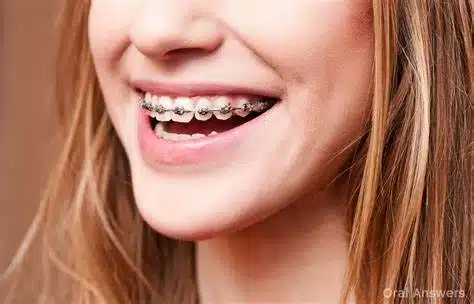
Great question! Tooth movement is your body’s natural response to light pressure applied by braces over a period of time (usually two years). Braces work by using brackets that are glued onto your teeth; these brackets have small slots, and that is where Dr. Sheeba Zaidi and our team insert orthodontic wires. These wires are held in place by small elastic ties that fit around the brackets. As time passes during your treatment, these wires apply pressure on your teeth, which sets in motion the movement of your teeth into their desired positions. Each of your teeth has a different size and shape to them, as do the brackets. Each bracket is custom-made for the particular tooth on which it’s supposed to fit. Not long ago, orthodontists had stainless steel wires and that was about it. Today, however, we have a number of different high-tech wires at our disposal to move your teeth faster and more comfortably. When you first get your braces on, the first wire or two will typically be very flexible, but still strong enough to apply a constant force on your teeth. As your teeth straighten out over time, however, Dr. Sheeba Zaidi will use progressively thicker and firmer wires to help move your teeth in place for an ideal bite. Every time you visit our office for an adjustment, we will swap out the wires in order to keep putting pressure on your teeth, which is why it’s so important for you to keep your adjustment visits during your treatment. Most adjustment appointments are scheduled four to eight weeks apart to give your teeth time to move. As for rubber bands and elastics, most of our patients will need to wear elastics or rubber bands at some point during their treatments. These elastics typically go from one or more of the upper braces to one or more of the lower braces, and pull on your teeth to move them in the direction they need to move in order to achieve an optimal bite. If you have any questions about wires, brackets, or elastics, or have any general questions about your treatment, please give us a call at our Wallingford, CT office.

How do braces move my teeth? Read More »

Adults and Braces

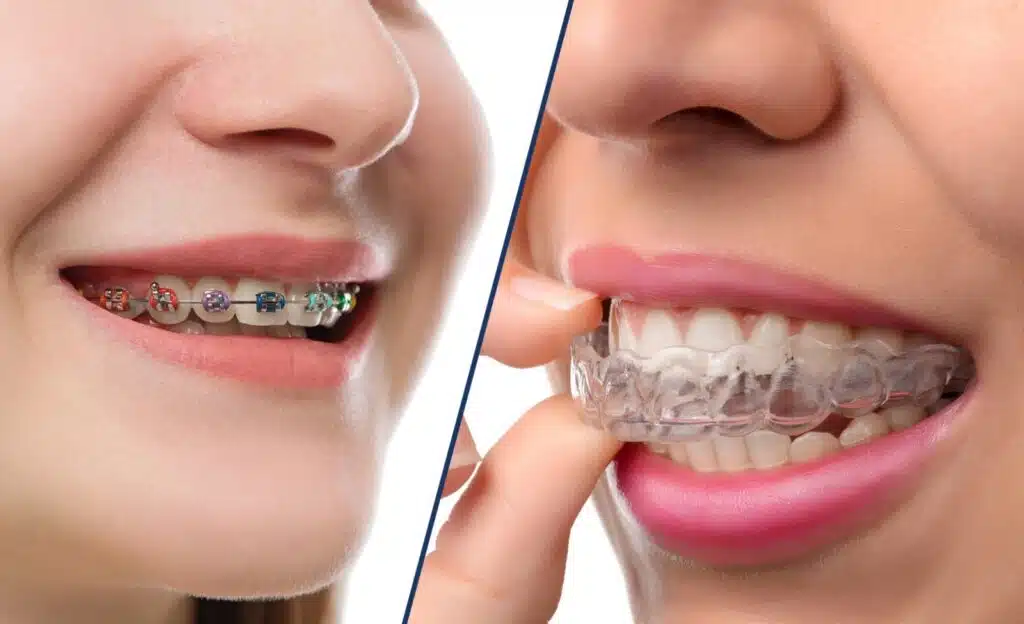
Nowadays, many adults are taking advantage of getting straighter teeth with braces. Dr. Sheeba Zaidi and our team love to help patients create the dazzling, confident smile they’ve always wanted. Our adult patients usually fall into two categories: some had braces in the past but didn’t wear their retainers, while others are brand-new to wearing braces. Either way, both groups want the same thing: straighter teeth and a beautiful smile! You will have several options for getting braces, depending on your financial situation and how quickly you would like your treatment to finish. If you’re comparing costs and trying to decide which option fits your budget, check out our Types of Braces Cost Comparison: Most Affordable Braces Options Explained for a breakdown of pricing and benefits for each treatment. If you’re concerned about how you’ll look, we offer clear ceramic braces that aren’t as visible. These are more expensive than metal braces, and patients need to be careful with colored drinks that can stain them, such as coffee or red wine. Another popular option is a clear aligner treatment called Invisalign®. This type is practically invisible; it uses a series of aligners that are customized to fit your teeth. The process of straightening your teeth can last anywhere from three to 18 months. For people who have extreme bite problems or crowded teeth, a different method may work better. Don’t hesitate to call our Wallingford, CT office today to set up a consultation. Dr. Sheeba Zaidi will help you choose the best option so you can be on your way to a straighter, more confident smile!

Adults and Braces Read More »

Five Braces-Friendly Dinner Recipes

Did you know that more than four million children throughout the US and Canada have braces? At Zaidi Orthodontics, Dr. Sheeba Zaidi and our staff know that kids can be picky and meticulous eaters. If cooking for children without braces is difficult, preparing meals for children with braces is especially daunting. “Comfort food takes on a whole new meaning when cooking for children with braces,” says Pamela Waterman, author of The Braces Cookbook: Recipes You and Your Orthodontist Will Love. “Whether you have new brackets, elastics, headgear, or more, there are great foods you can eat; it just takes some thought.” These five braces-friendly dinner recipes will be sure to keep your kids smiling! Macaroni and cheese is the ultimate comfort food. Pasta is soft, so it’s easy for children with braces to eat. The warm, gooey cheese melts in the mouth and doesn’t get stuck in the braces like hard or sticky foods. Chances are good that even the pickiest eater has a soft spot for this homespun classic. The key to braces-friendly cooking is to replace hard, crunchy foods with softer substitutes. In other words, burritos are a better option than tacos, and lasagna is a better choice than pizza. At the same time, if you have the culinary skills to whip up a pizza with a soft crust, you’re going to win the Best Mom (or Dad) of the Year award. Your child may not like fruits and vegetables. In fact, he or she may even try to convince you that with new braces, fruits and vegetables are off limits. Nice try, kids. While your child is wearing braces, prepare meals with cooked vegetables instead of raw vegetables. A vegetable stir-fry is a healthy and soft dinner choice for kids with braces. Whether it’s beef or chicken, meat is a good source of protein. However, meat, even when it’s carefully taken off the bone (kids with braces should never eat meat from a bone), can easily get caught in braces. Sloppy Joes are a good alternative. The beef is softened by the addition of the sauce and less likely to get strung in the wires and brackets of the braces. Serve the Sloppy Joes with a side of mashed potatoes. Ask any child and he or she will tell you that the best part of dinner is dessert. While hard candy, licorice, taffy, caramel, popcorn, and all other chewy candies should be avoided, ice cream and cake are braces-friendly treats that keep kids smiling. Need more braces-friendly food ideas? Feel free to ask any member of our team.

Five Braces-Friendly Dinner Recipes Read More »

Fantastic Elastics

If you already wear traditional braces, you know all about these helpful little rubber rings. But if you are new to the world of braces, you might like to know just what kind of elastics are available and what they can do for you. Ligatures: Alignment Assistance When you get your braces, the brackets you’ve chosen will be bonded to your teeth. Once they are attached securely, an arch wire will be threaded through the brackets to provide consistent gentle pressure, moving your teeth into their best positions. But what holds that wire in place? This is where those tiny, colorful bands, called ligatures, come in. Fit snugly around the wire and the bracket, they keep the wire where it needs to be to move your teeth to a better alignment. There are also ligatures call “c-chain ligatures,” or “power chains.” These tiny ligature bands are connected to each other, and fit across the brackets in one long strip. This design lets them not only hold your wires in place, but help move your teeth closer together at the same time. They come in a variety of sizes depending on the spacing of your teeth, and might be worn weeks or months as needed. One thing to remember is that while ligatures are essential, they are not permanent! Every time you have your wires tightened or replaced, you can make this an opportunity to express your personality through your choice of bands. There is a wide variety of color choices available, so take advantage of it! Show your school spirit by displaying your high school’s colors. Go orange and black for Halloween. Match your ligature tones to your go-to clothing colors. Or, go monochromatic. Match grey or silver bands to your brackets, or choose white or clear bands if you have ceramic brackets. (One word of caution—light colored ligatures can pick up stains from dark foods and drinks. On the other hand, they won’t be around that long!) Rubber Bands: Building Better Bites While ligatures are the colorful attention-getters in the elastics world, there are other bands that do very important work. When you have a malocclusion, or bad bite, your upper and lower jaws don’t fit together perfectly. We use rubber bands to align your bite correctly and carefully move it into the proper position. This is accomplished by attaching bands to tiny hooks on specially chosen brackets on the upper and lower teeth. The bands usually connect an upper bracket to a lower one, and are specifically placed to correct your unique bite problem. If you need this type of elastic, you will play a very important part in making your orthodontic treatment work. You will probably need to wear your bands 24 hours a day, removing them only for brushing and flossing. (Talk to us about how to work with your bands when you are eating, playing an instrument, or wearing a mouthguard.) And they need to be replaced several times a day, which is where you come in. Even if the bands look perfect, after hours of work, they lose the tightness needed to keep moving your teeth to their best position. Bands that are too loose won’t be as effective. On the other hand, doubling the bands is a bad idea because that might apply too much force. Bands come in a variety of sizes and strengths, and yours have been chosen for this specific phase of your treatment. Keep calm, keep to a schedule, and keep a supply of bands on hand in case one breaks, and everything will work out. If this sounds like a lot of confusing information, don’t worry! Dr. Sheeba Zaidi will supply you with the right bands for your treatment, clear instructions on where and how to place them, and practice time for putting them in. You’ll probably need a mirror at first, but you’ll become an expert in no time. If you ever have questions we can help you with, contact our Wallingford, CT office immediately. We are here to guide you through the process and help you with any problems you might have. Wearing your bands consistently and correctly will help you achieve your beautiful smile in the shortest time possible. And that’s an accomplishment that is truly fantastic!

Fantastic Elastics Read More »

Braces-Friendly School Lunches

If your pre-teen or teenager is home for the summer, it’s easy to provide braces-friendly lunch options. The school lunchroom, though, presents another challenge altogether. What menu selections are most compatible with braces? And what can you put in that lunch box or brown bag to provide a tempting, healthy lunch during school hours? Let’s look at some options! From the Cafeteria Encourage your student to stick with soft foods that don’t require biting into. Some good choices include: Soup, either creamy or with soft vegetables Salads without crunchy vegetables or croutons Soft, shredded chicken or beef Egg or tuna salad Tofu Pasta Meatloaf Macaroni and cheese Soft casseroles Steamed vegetables Mashed potatoes Soft breads or tortillas Bringing a Lunch? There are many great options for packing a lunch bag! Just remember to keep foods at the proper temperature, with insulated containers for hot foods and two cold sources, such as two frozen gel packs, for cold foods. Sandwiches with soft filling (no chunky peanut butter!) on soft bread. Thinly sliced, easy to chew cold cuts will work, but cold cuts like salami are too chewy. Cut the crusts off if necessary. Cutting sandwich wedges into smaller portions will also make them easier to eat. Hard boiled eggs Hummus and soft pita wedges String cheese and soft crackers Applesauce Yogurt Soft fruits such as berries or bananas Jell-O or other gelatin dessert cups Pudding cups When to Say “No, Thank You” If you have to bite into it, if it’s chewy, or if it’s crunchy, it’s best to choose something else! Here are some common culprits when it comes to broken brackets and wires: Caramel Hard candy Popcorn Whole carrots Whole apples Hard rolls Pizza Corn on the cob And remember to send your child to school with a brush and floss to clean teeth and braces after lunch. Dental hygiene is very important now, because brackets and wires can both trap food particles and make brushing them away more difficult. This can lead to increased plaque, cavities, and staining around the area of the braces. If it’s impossible to brush, be sure to remind your student to rinse thoroughly with water after eating. Lunch hour should be a time to relax, get together with friends, and recharge for the rest of the school day. Talk to us about the most (and least) braces-friendly foods and recipes. By learning what foods to avoid and adjusting some old favorites, your school-age child can continue to enjoy healthy, tasty lunches. Most important, visiting Dr. Sheeba Zaidi at our Wallingford, CT office for an emergency repair will not be on anyone’s list of afterschool activities!

Braces-Friendly School Lunches Read More »

Whitening Teeth with Braces

Now that you are working hard to improve your dental health and appearance with your braces, it might seem like a logical time to whiten your teeth as well. But should you go ahead with home kits or a professional whitening? The answer might be yes, but not quite yet! Toothpaste The easiest way to whiten teeth is regular use of a whitening toothpaste. But these do not make a major difference in tooth color and may also contain abrasives which can damage ceramic brackets and make them more likely to stain. And, whether you have metal or ceramic braces, the brackets used are bonded to your teeth. Any part of your tooth covered by a bracket will not be affected by the whitening paste. Ask our office if you are thinking of using one of these products. We will be happy to recommend the best toothpastes to use while your braces are in place. Whitening Strips and Trays Whiteners can be applied at home with strips or tray kits. Strips are coated with a whitening gel and then pressed around your teeth. Tray kits provide a mouthguard-like appliance, which is filled with whitening gel. But neither strips nor tray solutions will whiten any area covered by brackets. When your braces come off, there might be noticeable differences in color on each tooth. Strips are difficult to apply with braces, and trays need to be custom-designed to fit your braces and make sure they don’t disturb your orthodontic work. One size most definitely does not fit all! Finally, these whitening agents can cause tooth and gum sensitivity, especially around the time of adjustments. Many manufacturers do not recommend using their products while you have braces. Please talk to us if you are thinking of using them. Professional Whitening A dental professional can whiten your teeth in office for the best possible results. The most effective treatments for your unique teeth are combined with protective care of your gums and mouth. Whether this treatment is appropriate while you have braces is something we are happy to discuss. The best way to keep your teeth bright is to keep up your regular dental routine! Brushing and flossing are more important than ever now, because plaque builds up around brackets. Avoid foods that stain teeth and rinse or brush after every meal and snack. Dr. Sheeba Zaidi will show you the best way to take care of your teeth while your braces are on—and that includes the best way to keep them white and bright. Talk to us about the perfect time to whiten your beautiful smile during your next visit to our Wallingford, CT office. And if you have to wait a few extra days for the smile you’ve been working toward, truly, the wait will be worth it!

Whitening Teeth with Braces Read More »

Color Combinations of Elastics for the Holidays

There’s something special about customizing the elastics on your braces to fit your unique personality. Once you embrace your braces (no pun intended) you’ll realize how many color options and combinations there are to choose from. Although you’ll have a fantastic smile afterward, you won’t have this level of customizability once your braces come off, that’s for sure! Adding flair to your braces isn’t what all patients are looking to do (like those opting for clear aligners or ceramic braces), but it’s part of the fun of traditional metal braces! Many of our patients ask Dr. Sheeba Zaidi to have their elastics match the colors of their favorite sports teams or their school, but how about changing your elastics to match holiday colors? Here are some options to consider: Valentine’s Day – Red and pink Easter – Pink, blue, and violet Halloween – Orange and black Christmas – Red, green, and white Saint Patrick’s Day – Green and white There are a few colors that some people choose to avoid. But if you’re trying to make your teeth stand out in a crowd, the following suggestions need not apply! Brown or Green – can be mistaken for food being stuck in your teeth Black – might look like a rotten tooth if someone isn’t looking hard enough White – Some patients think it will make their teeth look whiter, but in fact it can make your teeth appear yellower than they actually are. White elastics can also stain easily. Yellow – accentuates the yellowness of your enamel Since changing the color of your elastics has no effect on the actual orthodontic treatment process, the idea is to have fun and add a personal touch. So, next time you get your elastics changed at our Wallingford, CT office, why not wear your braces boldly and opt for something festive?

Color Combinations of Elastics for the Holidays Read More »

Braces and Band? Play On!

You’re in the band and you’re getting braces. Now what? If you are a member of the string or percussion sections, you can go back to rehearsal. You’re good to go. When your talents have seated you in the reed or brass sections, though, a little adjustment might be necessary to keep your instrument and your braces working in harmony. If you play a wind instrument, you know the term embouchure—the way you position and use your lips, tongue, facial muscles, and teeth to produce the sound you want. Depending on the instrument you play, you might be completely unaffected when you get your braces, or you might need to develop a more comfortable embouchure to accommodate them. Wires and Woodwinds? If you play a wind instrument such as the flute or piccolo, you might find that your normal lip positioning or blowing angle is affected by your braces, but usually the adjustment time is fairly short. Reed instruments such as the saxophone, clarinet, oboe, and bassoon are considered some of the easiest to adjust to when you have braces, but even though the single and double reed mouthpieces don’t require as much pressure as brass instruments, there can still be an adjustment period. One thing you should look out for is more condensation in your mouthpiece or instrument—be sure to keep your instrument clean to keep your sound pure. Brackets and Brass? Brass instruments require mouthpiece pressure. This leaves your lips pressed between the mouthpiece and your braces. For this reason, many brass players have a more challenging adjustment when wearing braces. Smaller mouthpieces (trumpet, French horn) usually require more pressure than larger ones (tuba, trombone). It’s important to learn how to use technique to avoid cuts, irritation, and other injuries caused by the pressure of your braces against your lips. Learning to play with less pressure on the lips and more air control and breath support will help you to recover your tone and range of notes while protecting your lips and mouth. How Can We Help? Let Dr. Sheeba Zaidi know if you play, or plan to play, a wind instrument. We might be able to offer some suggestions. For regular metal and ceramic braces, some musicians find extra wax is helpful in preventing lip and cheek injuries. There are brace guards available that can be applied over the braces to protect your lips and mouth if wax doesn’t do the trick. There are also alternatives to regular bracket-and-wire braces, depending on your orthodontic needs, cost factors, and length of treatment. Invisalign® devices fit smoothly over your teeth and can even be removed when it is time to practice or play, as long as you get the necessary hours of wear in per day. In some cases, lingual braces, where the brackets and wires are placed behind the teeth, might be the best choice for you. Finally, don’t forget to talk to your music instructor. Don’t be dismayed if you find the quality of your playing has been affected. Your teacher might have valuable suggestions for adjusting your embouchure, playing with less pressure on the lips, and developing better air and breath support. You might need to shorten your practice time at first, and there might be another period of adjustment after your braces come off. Above all, take care of yourself! If something is poking your lip or cheek, call our Wallingford, CT office immediately before it causes injury. It might be difficult at first, but finding an embouchure that works for your comfort and technique is worth it. And remember, these temporary fine-tunings will lead to a wonderful coda: skilled musicianship and a beautiful, healthy smile. Bravo!  

Braces and Band? Play On! Read More »