ClickCease

Braces

Family enjoying a day at the beach, walking along the shore with smiles, representing summer fun and togetherness before the Labor Day holiday.

Tips for Having the Best Summer with Braces

What a Summer with Braces Really Looks Like Tips for Having the Best Summer with Braces start with one simple idea: a little planning protects your treatment during the busiest months of the year. Summer brings travel, sports camps, backyard cookouts, and frozen treats, which all create new challenges for braces care. Heat, snacking, and active days can affect comfort, hygiene, and even bracket integrity. At Zaidi Orthodontics, we hear the same questions every June. Can I still go to camp? What about that family road trip? Will my favorite summer foods cause a broken wire? The good news is that summer and braces mix well when you build a few simple habits. This guide walks you through season-specific care, snack swaps, sports protection, and what to do if something pops loose far from home. Stay cool, stay consistent, and your smile transformation stays right on schedule. How to Keep Braces Care Going All Summer Steady habits make all the difference once the weather warms up. Building a portable hygiene kit, hydrating often, and protecting your appliance during sports and travel keep treatment moving forward. Heat can dry out your mouth and irritate brackets, while irregular schedules make brushing easier to skip. A short daily routine, paired with a checkup before any long trip, keeps your smile transformation on track through July and August. Here’s how to make it work, day by day: Pack a travel hygiene kit. Include a soft-bristle toothbrush, fluoride toothpaste, floss threaders or a water flosser, orthodontic wax, and a small mirror. Toss it in your beach bag, backpack, or glove compartment. Hydrate constantly. Water rinses away food particles, fights dry mouth, and reduces irritation around brackets. Carry a refillable bottle and sip throughout the day, especially in the heat. Brush after meals, even on the go. If brushing isn’t possible right away, swish vigorously with water until you can get to a sink. Wear a mouthguard for sports. Whether it’s lacrosse camp, pickup basketball, or skateboarding, an orthodontic mouthguard protects both your braces and your lips. Schedule checkups before trips. Let our orthodontic team check wires, brackets, and aligner fit before you leave town. A quick adjustment now beats a frantic search for help later. Stick to a loose daily routine. Pick anchor times, after breakfast and before bed, when brushing always happens, no matter what the day looks like. Benefits of Staying On Top of Braces Over Summer Staying consistent during summer pays off in real ways once school starts again. Skipping hygiene or ignoring small issues now can stretch treatment time, increase repair visits, and leave lasting marks on your teeth. Here’s what good summer habits protect: Will summer care keep my treatment on schedule? Yes. Consistent care, including wearing rubber bands and aligners as prescribed, keeps your treatment plan on track so braces come off when expected. Missing those small daily steps is one of the most common reasons treatment time stretches longer than planned. How does summer care protect my enamel? Poor brushing around brackets can cause decalcification, those chalky white spots that linger long after braces are removed. Daily care prevents them. A few other payoffs round out the list: Fewer emergency visits. Hard foods and missed checkups are the top causes of broken brackets and poking wires on vacation. A little prevention saves a lot of stress. Better comfort during heat and activity. Hydration and wax keep cheeks and lips happy when temperatures climb and you’re outside more. Protection of your investment. Orthodontic treatment is one of the smartest investments you can make in your appearance and confidence. Summer care safeguards every dollar and every visit. One of the greatest gifts a person can receive is the confidence to smile, and steady summer habits help you get there faster. Snack Smart: Braces-Friendly vs Foods to Avoid Summer cookouts, ice cream stands, and movie nights all come with food choices that can either support or sabotage your braces. The rule of thumb is simple: soft, easy to chew, and not sticky. Hard, crunchy, and chewy foods are the top culprits behind broken brackets and bent wires during summer break. Use this quick comparison when you’re planning a picnic, packing for camp, or eyeing the dessert table: Braces-Friendly Summer Foods Foods to Skip or Modify Yogurt and smoothies Hard candy and lollipops Soft fruits (berries, bananas, peaches) Whole apples (slice them instead) Ice cream and frozen yogurt (plain) Ice cream with nuts, hard candy, or caramel Soft-cooked veggies and pasta salad Corn on the cob (cut kernels off) Pulled pork, soft burgers, hot dogs Sticky caramel, taffy, gummy candy Watermelon and cantaloupe Popcorn and tortilla chips Mac and cheese, deviled eggs Beef jerky and tough steak Cheesecake and soft brownies Chewing on ice cubes A few smart swaps at the BBQ keep your braces intact. Pull corn off the cob into a salad. Slice apples and pears into thin pieces. Choose pulled pork over ribs. Pick plain ice cream over crunch-topped sundaes. You can still enjoy every summer favorite, just with small tweaks to how it lands on your plate. What Summer Braces Care Costs You (Time and Money) Most summer braces care costs very little, while skipping it can get expensive fast. A travel toothbrush, floss, a refillable water bottle, and a small container of orthodontic wax add up to less than the price of a movie ticket. A custom orthodontic mouthguard for sports is an affordable investment that prevents far more costly repairs down the road. What gets expensive is skipping care. Broken brackets mean extra visits. Missed aligner wear means new impressions and longer treatment time. White spots from poor brushing may need cosmetic correction later. A few minutes of daily attention now protects months of progress and the financial commitment you’ve already made to your smile transformation. When you weigh a few dollars in supplies against repeat repair appointments, the math favors prevention every time. Is This Summer the Right Time for Braces Tips? These tips

Tips for Having the Best Summer with Braces Read More ยป

Why Summer Is the Best Time to Start Orthodontic Treatment

What Does It Mean to Start Orthodontic Treatment in Summer? The school break opens up a unique window for beginning orthodontic care. Starting orthodontic treatment in summer means beginning braces, Invisalign, or phase one care during that downtime, when patients have more room to settle in comfortably. The relaxed schedule gives kids, teens, and adults flexibility for the initial consultation, appliance placement, and the first few follow-up visits without competing with classes, exams, or extracurriculars. At Zaidi Orthodontics, summer scheduling works for every age group, and families across Connecticut appreciate the easier pace. Younger patients can begin a first orthodontic exam or early treatment. Teens often time braces or Invisalign with the break before high school. Adults appreciate the calmer rhythm too. Summer simply gives everyone breathing room. How Starting Treatment in Summer Works Beginning orthodontic care over the break follows a simple, well-paced process. Most families begin with a free consultation in late spring, schedule appliance placement once school lets out, and use the slower weeks to settle in. By the time fall arrives, patients are already comfortable with their braces or Invisalign routine. Here’s what the timeline usually looks like: Free consultation and exam. Dr. Zaidi reviews your smile, discusses treatment options, and creates a personalized plan, often before the school year ends. 3D dental imaging and records. Detailed scans help map out the most precise treatment approach. Appliance placement. Braces are bonded or the first set of Invisalign aligners is delivered during the early weeks of summer. At-home adjustment. The first few days of soreness pass quickly when patients can rest, eat soft foods, and relax at home. Follow-up visits. Adjustments are scheduled every four to eight weeks, easy to book around vacations and camps. Back-to-school confidence. Patients return to class already familiar with their appliances and care routine. Benefits of Starting Orthodontic Treatment in Summer There are real, practical advantages to beginning orthodontic care during the warmer months. The slower pace removes much of the stress families feel when juggling treatment with school, sports, and after-school commitments. Below are the biggest benefits patients and parents notice. Why Does Summer Make Scheduling and Recovery Easier? Open summer calendars make it easier to book the initial consultation, bonding day, and early adjustments without rearranging the week. Recovery feels gentler too. The first few days with new braces or aligners can be a little tender, and settling in at home, with soft foods and quiet afternoons, is far more comfortable than powering through a school day. Families with flexible summer schedules can also plan visits around vacations, camps, and work commitments. Fewer scheduling conflicts. A more open calendar means easier booking for every early visit. Easier at-home recovery. Quiet afternoons beat tender teeth in a busy classroom. Extra time for extra care. Learning to brush, floss, and clean around new appliances takes practice, and summer gives kids and teens space to build those habits before academic life resumes. How Does a Summer Start Help With Back-to-School Confidence? Less class time is missed because placement and early adjustments happen during the break, which means fewer pickups, sign-outs, and skipped lessons during the school year. Heading back to class with a new smile transformation underway feels great. “One of the greatest gifts a person can receive is the confidence to smile,” and summer treatment gives patients a head start. Parents enjoy more flexibility as well, since they can attend the first visit and a few follow-ups without taking time off work. Less class time missed. The longest visits land during the break. More flexibility for parents. Easier planning around camps, travel, and work. A confidence boost for the new school year. Patients return already settled into their routine. When Is the Best Time to Start? Summer vs. the School Year Both seasons can work for beginning orthodontic care, but the timing really does shape the experience. Summer reduces missed class time, gives patients quiet days to settle in, and frees up parents to attend the first visit without taking time off work. The school year still suits some adult patients or accelerated cases, especially when summer travel is heavy. Here’s a quick side-by-side look: Factor Summer Start School Year Start Scheduling flexibility High, fewer conflicts Moderate, limited by class hours Missed school time Minimal More frequent pickups Adjustment comfort Easier at home Harder during busy days Parent availability Often more flexible Often tighter Best fit Kids, teens, families Adults, accelerated cases For most families, summer wins on convenience and comfort. For adults with steady work routines, either season can work well. What Affects the Cost of Summer Orthodontic Treatment? Pricing for orthodontic care in summer depends on the type of treatment chosen, the length and complexity of the case, and any insurance coverage that applies. The season itself does not change base pricing. What matters is the personalized treatment plan, which is why a free consultation is the most accurate way to understand your investment. Several factors shape the total cost: Treatment type. Traditional braces, Invisalign, and pediatric orthodontics each have different price points. Case complexity. Minor alignment corrections typically require less time and fewer visits than full bite corrections. Treatment length. Most cases run between 12 and 24 months, depending on goals. Insurance benefits. Many plans include orthodontic coverage that offsets a portion of the cost. Extended payment time. Zaidi Orthodontics offers low down payments starting at $250, monthly payments as low as $125, and extended payment plans up to 24 months beyond treatment time. Your initial consultation includes a clear cost estimate so there are no surprises. Who Is a Good Candidate to Start Treatment in Summer? A wide range of patients fits the summer timing well, from first-time pediatric visits to adult Invisalign cases. If you have a flexible break, an upcoming school transition, or simply want time to settle in comfortably, summer is an excellent fit. Good candidates include: Children ready for phase one. Kids around age seven who may benefit from an early orthodontic exam

Why Summer Is the Best Time to Start Orthodontic Treatment Read More ยป

Different types of braces and their costs

Types of Braces Cost Comparison: Most Affordable Braces Options Explained

Understanding braces cost is one of the first concerns for teens, parents, and adults considering orthodontic treatment. Prices can vary widely depending on the type of braces, how complex the treatment is, and how long it takes to achieve results. That range can feel confusing at first, especially if you’re trying to balance effectiveness with affordability. The good news is that affordable orthodontic treatment is possible. By learning how different braces work and what influences their pricing, you can make a confident decision that fits both your smile goals and your budget. What Factors Affect the Cost of Braces? Before comparing options, it helps to understand why prices vary in the first place. Orthodontic care is customized, and several variables shape the final investment. Treatment complexity plays a major role. Mild crowding or spacing issues usually require less time and fewer adjustments than more complex bite corrections. Treatment duration matters too—longer treatment generally means more visits and more resources. Materials and technology also affect pricing. Metal brackets, ceramic materials, and clear aligner systems all have different manufacturing and lab costs. Orthodontist expertise is another factor; a board-certified orthodontist brings advanced training and experience that support accurate diagnosis and efficient treatment planning. Taken together, these elements explain why there isn’t a single price tag for braces—and why comparing options thoughtfully matters. Types of Braces and Their Cost Differences When patients ask about a type of braces cost comparison, they’re usually weighing appearance, comfort, and budget at the same time. Here’s how the most common options differ. Traditional metal braces Metal braces have been used for decades and remain a reliable choice. They use stainless steel brackets and wires to guide teeth into alignment. Because they’re efficient and widely available, they are often the most budget-friendly option. They’re especially effective for moderate to complex cases. Ceramic braces Ceramic braces work similarly to metal braces but use tooth-colored or clear brackets that blend in more naturally. They’re less noticeable but slightly more expensive due to materials and handling. Some patients also need to be more mindful of staining. Invisalign and clear aligners Clear aligners use a series of removable trays to straighten teeth gradually. They are popular for their appearance and convenience, but they often cost more than traditional braces, especially for more involved cases. They work best for mild to moderate alignment issues and require strong patient compliance. Other orthodontic options Lingual braces (placed behind the teeth) and limited interceptive appliances may be recommended in specific situations. These are less common and typically fall on the higher end of the cost spectrum due to customization and technique. Braces Cost Comparison Guide Braces Type Average Cost Range Visibility Best For Cost Considerations Metal braces Lower range Most visible All levels of complexity Most economical and efficient Ceramic braces Mid range Less visible Aesthetic-conscious patients Higher material cost Clear aligners Mid to higher range Nearly invisible Mild to moderate cases Requires compliance Lingual braces Higher range Hidden Cosmetic priority cases Highly customized Tip: Exact costs depend on individual treatment needs and orthodontic recommendations. Which Are the Cheapest Braces Options? For many patients, metal braces are typically the most affordable choice. Their straightforward design, durability, and efficiency help keep overall costs lower. This makes them a common recommendation when budget is a top priority or when treatment complexity is higher. That said, the cheapest braces options are not always the “best” for every lifestyle. Ceramic braces and aligners may offer aesthetic braces advantages that some patients value enough to justify a higher cost. The key is understanding the trade-offs between visibility, flexibility, and budget so you can choose confidently. How to Make Braces More Affordable A thoughtful braces cost guide looks beyond the sticker price. There are practical ways to manage expenses without sacrificing quality. Many orthodontic offices offer flexible payment plans that spread costs over time. Insurance benefits, when available, can offset part of the treatment, particularly for children and teens. Some plans also cover adult orthodontics. It’s also helpful to think in terms of long-term value. Effective treatment that’s done right the first time can reduce the likelihood of future dental issues. In that sense, affordable orthodontic treatment isn’t just about paying less—it’s about receiving care that lasts. Meet Your Orthodontist Your treatment experience is shaped as much by your orthodontist as by the braces themselves. Dr. Sheeba Zaidi is a board-certified orthodontist known for patient-centered care and thoughtful treatment planning. Her approach focuses on clear communication, individualized recommendations, and helping patients understand their options so they can make informed decisions about their care. Areas We Serve Orthodontic care through Zaidi Orthodontics is accessible to patients from several surrounding communities, including Wallingford, Simsbury, and Rocky Hill. Families from these areas often choose our practice for convenient access to orthodontic care and clear, transparent guidance when comparing treatment options and costs. Frequently Asked Questions How much do braces usually cost? Costs vary depending on treatment complexity, duration, and brace type. An orthodontic evaluation provides the most accurate estimate. Are metal braces the cheapest option? In many cases, yes. Metal braces are often the most economical due to their efficiency and durability. Does Invisalign cost more than braces? Clear aligners often cost more, especially for complex cases, though pricing can be similar for mild treatments. Does insurance cover braces? Some dental insurance plans include orthodontic benefits, particularly for children. Coverage varies by plan. Are payment plans available for braces? Many orthodontic practices offer monthly payment options to make treatment more manageable. Is cheaper orthodontic treatment still effective? Yes. Cost does not determine effectiveness. The right treatment plan and orthodontist expertise matter most. Do adults pay more for braces than teens? Adults may have different coverage options, but treatment costs are usually based on complexity, not age. Take the Next Step Choosing braces is a personal decision that balances health, appearance, and budget. A consultation with Zaidi Orthodontics is the best way to receive a personalized cost estimate and treatment recommendation tailored to your needs.

Types of Braces Cost Comparison: Most Affordable Braces Options Explained Read More ยป

Back-to-school-with-braces

Back-to-School Tips for Kids with Braces

The first day of school is right around the corner, and all of us at Zaidi Orthodontics want to wish our students the very best as they head into a brand-new year! If your child is starting the school year with braces, you might be wondering how to make the adjustment easier. With just a little preparation, they can feel comfortable and confident at school while keeping their treatment on track. Here are some simple, practical tips to help: Keeping Teeth Clean During a Busy School Day Life at school moves fast, and it’s not always easy to squeeze in brushing. Here are a few tricks that help: Make sure your child brushes before school and again before bed. Encourage rinsing with water after lunch if brushing isn’t possible. Send a small “braces kit” in their backpack with a travel toothbrush, toothpaste, floss picks, and orthodontic wax. Even a quick freshen-up after lunch makes a big difference! Packing Braces-Friendly Lunches Certain foods can be tough on braces, but there are plenty of kid-approved options that are safe and filling: Soft sandwiches on regular bread or wraps Yogurt, applesauce, or pudding cups Bananas, grapes, or melon slices Cheese sticks Muffins or soft granola bars (without nuts or caramel) Tip: If your child loves crunchy foods like apples or carrots, just cut them into small bite-sized pieces so they’re easier to chew. Want more ideas? Check out our complete guide to braces-friendly school lunches for kid-approved, smile-safe meals. What to Keep in a Braces “Emergency Kit” Sometimes things happen — a poking wire, a loose rubber band, or food stuck in braces. Having a small kit in the backpack gives kids peace of mind. Pack items like: Orthodontic wax Extra rubber bands (if they wear them) Travel toothbrush & toothpaste Floss picks Lip balm This way, if something comes up, they’ll feel prepared instead of stressed. If your child is ready to start treatment, learn more about getting braces in Wallingford, CT and how we make the process comfortable and stress-free. Planning for Braces This School Year? If you’re considering treatment and comparing options, it’s helpful to understand the costs and benefits of each type. Read our Types of Braces Cost Comparison: Most Affordable Braces Options Explained to explore different braces options and find the best fit for your family’s budget. If your child is ready to start treatment, learn more about getting braces in Wallingford, CT and how we make the process comfortable and stress-free. A Message from Zaidi Orthodontics We know going back to school with braces can be a new experience, but with a little planning, kids can enjoy the school year without missing a beat. From all of us at Zaidi Orthodontics, we wish you a smooth, fun, and smile-filled start to the year. Here’s to new beginnings, happy memories, and bright, confident smiles!

Back-to-School Tips for Kids with Braces Read More ยป

braces vs veneers

Braces vs Veneers: Which Option Is Better for Your Smile Goals?

A lot of people want to improve their smile—but what’s the best way to do it? Are you looking to straighten your teeth or just fix how they look? That’s where the real difference between braces vs veneers comes in. Both can improve your smile, but they do it in very different ways. Do you have gaps, crowding, or bite issues? Braces might be what you need. Or are your teeth mostly healthy, but you’re not happy with the color or shape? Veneers could be the better option. Not sure which direction to take? You’re not alone—and that’s exactly where Zaidi Orthodontics can help. At our practice, we take the time to understand your goals and recommend what makes the most sense for your smile. If you’ve been going back and forth between braces and veneers, this guide will give you the answers—simple, clear, and right to the point. What Are Braces? Braces are a common way to fix crooked teeth, gaps, or bite problems. They work by slowly moving your teeth into better positions using small brackets, wires, and sometimes rubber bands. These parts stay on your teeth and are adjusted over time by your orthodontist. Most people wear braces for about 12 to 24 months, depending on how much their teeth need to move. During that time, braces can fix more than just how teeth look—they also improve how they work and fit together. What Are Veneers? Veneers are thin covers that go on the front of your teeth to make them look better. They’re made from strong materials like porcelain or resin and are shaped to match your smile. People choose veneers to fix things like chipped teeth, stains, or small gaps. They can also help if your teeth are uneven or shaped differently. The process is quick—usually just a couple of visits—and the results are instant. But here’s the thing: veneers only change the look of your teeth. They don’t move teeth or fix bite problems. When looking at braces vs veneers, veneers are a great pick if your teeth are healthy and you just want a cleaner, whiter, or even smile. Comparing Braces and Veneers: 7 Factors to Consider When deciding between braces and veneers, it helps to look at a few key areas that can guide you toward the option that fits your smile goals best. 1. Purpose of Treatment Braces are used to move teeth that are crowded, spaced too far apart, or not lined up right. They also help fix bite issues, like overbites or underbites. This makes them a strong choice for anyone who wants to improve both the look and function of their smile. Veneers, on the other hand, are thin covers that go on the front of your teeth. They help with things like discoloration, chips, or teeth that are uneven or slightly gapped. But veneers don’t move your teeth or change your bite. If your main concern is how your teeth work, braces are likely the better pick. If you’re more focused on appearance, veneers might be enough. It’s important to remember that veneers can’t replace orthodontic treatment if alignment issues are present. 2. Treatment Timeline Braces take time to work. Most people wear them for 12 to 24 months, depending on how much correction is needed. Your orthodontist adjusts the wires regularly to help shift your teeth little by little. Veneers are much faster. You can usually get them in just two or three appointments, often within a few weeks. They instantly change how your smile looks. If you’re looking for long-term improvement that fixes both looks and function, braces may be the right move. But if you’re hoping for a quick fix and your teeth are already in decent shape, veneers can give you a fast upgrade. The timeline matters, especially if you’re working around an event or personal deadline. 3. Invasiveness and Reversibility Braces are non-invasive. They don’t change your tooth structure—once they’re off, your teeth are still the same, just straighter. For many people, that makes braces a comfortable and low-risk option. Veneers require removing a thin layer of enamel from each tooth. This step helps the veneers stay in place and look natural, but it’s permanent. Once that enamel is gone, it can’t be replaced. That means you’ll always need some kind of cover on those teeth in the future. When weighing braces vs veneers, think about how permanent you want the change to be. Braces are more of a temporary tool that leads to lasting results. Veneers give instant results but come with a lifelong commitment. 4. Aesthetic Impact During Treatment Braces—especially metal ones—are easy to see, and that can affect how you feel about smiling during treatment. Ceramic options are a bit less noticeable, but they’re still there. This can be tough for people who want something more private. Veneers skip that step completely. You walk in with your natural teeth and leave with a whole new look. There’s no waiting, and no visible treatment phase. While this article isn’t focusing on clear aligners, they are another option if visibility is a big concern. Still, veneers clearly win in this area when it comes to appearance during treatment. 5. Longevity and Maintenance Braces offer long-term results, especially if you wear your retainer as advised once treatment is done. Your straightened teeth can stay in place for life with the right care. Veneers usually last 10 to 15 years. They’re strong but not unbreakable. Biting hard items, grinding your teeth, or skipping dental cleanings can shorten their lifespan. Depending on the material, they can also stain over time. Keeping good habits—like brushing, flossing, and dental checkups—is important for both options. Still, in terms of maintenance, veneers may need a bit more attention over time to keep them looking good. 6. Cost Considerations Braces usually have a lower total cost compared to veneers. A full braces treatment typically ranges from $3,000 to $7,000, depending on the case. If treatment is needed for

Braces vs Veneers: Which Option Is Better for Your Smile Goals? Read More ยป

signs you may need braces

Signs You May Need Braces (Even as an Adult)

Some people smile without thinking. Others feel the need to hide theirs. Which one sounds more like you? Maybe your teeth have shifted over time. Maybe you’re noticing crowding, gaps, or discomfort when you bite. These might be signs you may need braces, even as an adult. More adults are asking the same questions: Is it too late to fix my teeth? Will braces make a real difference? The answer is yes—to both your comfort and your confidence. Braces aren’t just for kids anymore. They’re helping adults improve not only the way their smile looks but also how their teeth work day to day. At Zaidi Orthodontics, adults are supported every step of the way. A simple checkup can help spot small issues before they turn into bigger ones. Choosing braces might feel like a big decision, but it could be one of the best moves you make for your long-term health—and your self-esteem. What Braces Actually Fix Braces do more than just straighten teeth—they help fix the way your teeth and jaw work together. They use small brackets and wires to slowly shift your teeth into better positions over time. Most people think of braces as a way to improve their smile, but they can also fix real problems with chewing, speaking, and even jaw pain. Some adults notice small issues that get worse over the years. Teeth might feel crowded, spaced out, or just “off” when biting down. These can be signs you may need braces, not just for looks, but for your overall dental health. Unlike veneers or teeth whitening, braces work below the surface. They don’t just change how things appear—they change how everything fits and functions. That’s what makes them different from quick cosmetic treatments. It’s not just about a better smile—it’s about a healthier one too. 7 Signs You May Need Braces as an Adult Not sure if braces are right for you? These common signs can help you figure out what to look for. 1. Crowded or Overlapping Teeth Teeth that sit too close together or on top of each other are harder to clean. If your floss keeps getting stuck or you’re skipping those tight spots, that could lead to cavities or gum problems down the road. Crowding is more than a cosmetic concern—it can affect your whole mouth. This is one of the most common signs adults notice when thinking about orthodontic care. Getting things straightened out can make brushing and flossing easier and lower your risk for future dental issues. 2. Gaps Between Your Teeth Some people like the way their gap looks, but others find it frustrating. Gaps can make it harder to chew, especially if food gets stuck or you feel like your bite isn’t even. Plus, open spaces between teeth can leave gums more exposed, which might make them feel sore or sensitive. If your gaps feel more like a problem than a quirk, braces could help bring your teeth closer together and improve how your bite works every day. 3. Frequent Jaw Pain or Clicking Pain in your jaw or a clicking sound when you chew shouldn’t be ignored. These can be signs of bite issues or something called TMJ disorder. Braces can help by lining up your teeth and jaw the right way, which takes pressure off the joints and muscles. If chewing is uncomfortable or your jaw feels sore at the end of the day, it’s worth getting checked out. Ongoing pain like this is more than a small annoyance—it might be one of the early signs you may need braces to get things back in balance. 4. Your Bite Feels “Off” When You Chew Biting into food shouldn’t feel uneven. If one side hits harder than the other or your teeth don’t meet the way they should, something may be out of alignment. Overbites, underbites, and crossbites can cause uneven wear on your teeth and even affect how you speak. This type of issue doesn’t always hurt, but it can quietly cause problems over time. An off-balance bite is something many people overlook—until it starts to get in the way of everyday things. 5. You Had Braces Before—But Your Teeth Shifted Back Just because you had braces as a kid doesn’t mean your teeth will stay straight forever. If you didn’t wear your retainer or stopped too soon, your teeth might shift back over the years. That doesn’t mean you did anything wrong—it just means it’s more common than people think. If you’re seeing changes in your smile and feel like your teeth aren’t where they used to be, this could be one of the signs you may need braces again. The second round is often quicker and easier than the first. 6. You’re Hiding Your Smile in Photos Not wanting to smile in pictures can be a big sign that something’s bothering you. Maybe it’s crooked teeth, spacing, or just feeling unhappy with how things look. That self-conscious feeling doesn’t have to be permanent. Emotional reasons matter just as much as physical ones when it comes to dental care. If you’re avoiding pictures or covering your mouth when you laugh, braces could help you feel more confident and comfortable with your smile again. 7. Your Dentist Recommended Orthodontic Help When your general dentist notices something off and recommends braces, it’s worth paying attention. Dentists often spot things during regular cleanings—like crowding, shifting, or bite issues—that might not be causing pain yet, but could lead to bigger problems later. If your dentist says you should see an orthodontist, that’s one of the clearest signs you may need braces. It’s not just about looks—it’s about keeping your teeth and gums healthy in the long run. Benefits of Getting Braces as an Adult Getting braces as an adult comes with real, long-term rewards. It’s not just about changing how your smile looks—it’s about feeling better in your day-to-day life and protecting your teeth for years to come. Here’s what you can expect: Boosted confidence

Signs You May Need Braces (Even as an Adult) Read More ยป

how long does it take for braces to straighten teeth

How Long Does It Take for Braces to Straighten Teeth?

Some people wear braces for just a year, while others need them for nearly three. What makes the difference? The truth is, straightening teeth doesn’t work the same for everyone. Your age, how your teeth are positioned, and the type of braces you get all make a difference. Some see small shifts in the first month, while others take longer to notice changes. That’s why it helps to have the right team on your side. At Zaidi Orthodontics, patients get personalized care and clear answers about what to expect from day one. Instead of guessing or feeling stuck comparing timelines with others, it’s better to focus on what affects your progress. Understanding the process—and how to stay on track—can make your treatment feel a lot less stressful and a lot more doable. Factors That Affect How Long Braces Take to Work Some people finish treatment in a year, while others wear braces for much longer—and it’s not random. Several key things play a role in how long the process takes. Your age, the condition of your teeth, the type of braces you’re wearing, and how closely you follow your treatment plan all matter. At Zaidi Orthodontics, these details are looked at from the start so you can have a clear idea of what your timeline might look like. 1. Age of the Patient Teens often get quicker results because their jaws and bones are still growing, which helps teeth shift faster. Adults can still get great results—they might just need a little more time since everything has stopped growing. 2. Type and Severity of the Issue Simple spacing or crowding usually takes less time. But if you’re dealing with bigger problems like an overbite or crossbite, it could take longer to fix. The more movement your teeth need, the longer it can take. 3. Type of Braces Used Metal braces tend to move teeth steadily and may work faster in complex cases. Ceramic braces and lingual ones (which go behind the teeth) might take a bit longer. Some newer options promise faster results, but it all still depends on your specific case. 4. Patient Compliance Following your orthodontist’s instructions makes a big difference. Brushing well, skipping hard foods, wearing rubber bands if needed, and showing up for appointments can all help speed things up. Skipping these? That usually means more time in braces. Average Timeframes by Treatment Type The type of braces you get can affect how long it takes to see results. Some are quicker, others need more time—but each option works in its own way depending on what your teeth need. Here’s a quick look at the average treatment time for each type of braces: Traditional Metal Braces Most people wear them for 18 to 24 months. They’re strong, work for all kinds of alignment problems, and often move teeth a bit faster in more complex cases. Ceramic or Clear Braces These usually take about the same amount of time as metal braces but may go a little slower since the brackets are more delicate. People choose them mostly for appearance since they blend in with the teeth. Lingual Braces Placed behind the teeth, these are less visible but can take a bit longer to adjust. They’re often used for mild to moderate cases and are a good choice for those who want a hidden option. When You Might See Early Changes A common question people ask is, “When will I notice a difference?” The good news is that most people start to see small changes within the first 4 to 6 weeks after getting braces. It might be slight spacing, shifting, or some teeth looking a little straighter. These early changes can feel exciting—and they are a sign that your braces are doing their job. Still, it’s important to know that this is just the beginning of the process. The first few months are often about getting your teeth into a better starting position before bigger changes happen later. Even if progress seems slow, it’s still happening. Teeth move in small steps to avoid damage and make sure everything lines up properly. So if you’re not seeing a dramatic difference right away, that’s normal. Just stay consistent, and you’ll keep moving in the right direction. Tips to Stay on Track With Your Braces Wondering how long it takes for braces to straighten teeth is normal—but sticking to a few simple habits can help you get to the finish line faster. At Zaidi Orthodontics, patients get clear steps to follow so they don’t fall behind during treatment. Stick to Your Appointment Schedule Regular checkups aren’t just for tightening wires—they help your orthodontist track progress and make needed changes. Skipping visits, even just one, can slow things down more than you think. Follow Food Guidelines Hard, sticky, or chewy foods can break brackets or bend wires. If something gets damaged, it often means pausing progress until repairs are made. Staying careful with food choices helps keep things moving on time. Use Appliances as Directed Things like rubber bands, expanders, or other tools are part of your plan for a reason. Wearing them just part-time doesn’t give the same results. If your orthodontist says to wear them full-time, do it—it can make a big difference in how long your treatment takes. What Happens After Your Braces Come Off Getting your braces removed feels like a big win—and it is—but there’s still a bit of care needed to keep your teeth in place. Right after treatment, your teeth can slowly try to shift back to where they started. That’s why wearing a retainer is so important, especially in the first year. Your orthodontist will let you know how often to wear it, but sticking to the plan helps your results last. Some people also need a few follow-up visits after the braces come off. These quick check-ins help make sure everything is staying on track and that your bite is holding up well without the brackets. If something seems off,

How Long Does It Take for Braces to Straighten Teeth? Read More ยป

metal braces vs insisalign

Metal Braces vs. Invisalign: Which Is the Better Choice for You?

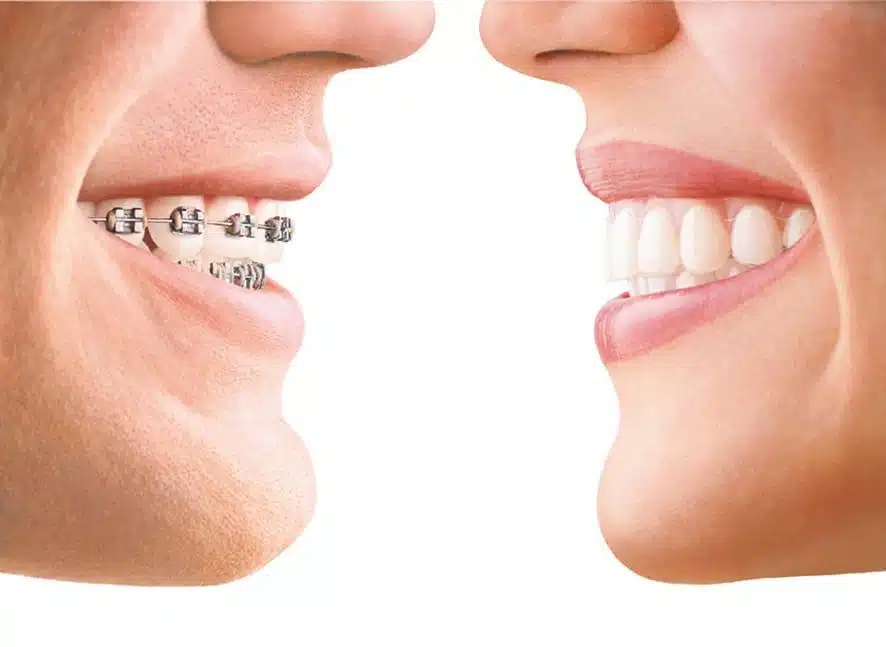
Ever wondered which is better for straightening your teeth: metal braces or Invisalign? Choosing the right treatment isn’t just about appearances—it’s about finding what fits your needs and lifestyle. For years, metal braces have been the go-to for fixing crooked teeth and complex bite issues. But Invisalign has changed the game with its nearly invisible, removable aligners, making it a popular choice for those who want a more discreet option. Both options have their pros and cons, and the best choice depends on more than just looks. Factors like comfort, effectiveness, maintenance, and cost all play a role in the decision. This article breaks everything down for you—no fluff, no jargon—just the key facts you need. By the end, you’ll have a clear understanding of which option is right for you and why. So, are you ready to find out which one suits you best? What Are Metal Braces? Metal braces are one of the most common ways to straighten teeth and fix alignment issues. They’re made of small metal brackets that are glued to your teeth and connected by wires. These wires are gradually tightened over time to move your teeth into the right position. Sometimes, elastic bands are added to adjust your bite or help with specific tooth movements. While they might not be the most subtle option, metal braces are incredibly effective. They can handle even the toughest cases, like severe misalignment or bite problems, making them a reliable choice for many people. Over the course of treatment, usually lasting 18-24 months, the braces work steadily to give you a straight, confident smile. What Is Invisalign? Invisalign offers a more modern approach to straightening teeth. Instead of brackets and wires, Invisalign uses clear plastic aligners made from medical-grade materials. These aligners are custom-made to fit your teeth perfectly. Every few weeks, you’ll switch to a new set of aligners that gently push your teeth closer to their ideal position. One of the biggest perks of Invisalign is that the aligners are removable, making it easier to eat, brush, and floss. Plus, they’re nearly invisible, which is a big draw for people who want a discreet treatment option. Most Invisalign treatments take about 6-18 months, depending on how much your teeth need to move. Key Comparisons Between Metal Braces and Invisalign When deciding between metal braces vs Invisalign, understanding their differences can help you choose what’s best for your smile and lifestyle. Appearance and Aesthetics Metal braces are easy to spot because they have visible brackets and wires attached to your teeth. For those who prefer a less noticeable option, ceramic braces offer a more subtle appearance by blending with the color of your teeth. However, they’re still more noticeable than clear aligners. Invisalign, on the other hand, uses nearly invisible aligners. This makes it a popular choice for teens and adults who want their treatment to be as discreet as possible. If you’re self-conscious about your smile during orthodontic treatment, Invisalign is often the more appealing option. Treatment Effectiveness Metal braces shine when it comes to handling all kinds of orthodontic problems. Whether you have severe misalignment, large gaps, or complex bite issues, braces can get the job done. Invisalign is effective for mild to moderate cases, such as small gaps or slightly crooked teeth. However, it may not be the best option for severe alignment issues because aligners rely on gentler forces to move teeth. Comfort Braces can cause some discomfort, especially after adjustments. The brackets and wires might also irritate your cheeks and gums. Over time, most people get used to it, but it’s something to consider. Invisalign aligners are made of smooth plastic, so they’re less likely to irritate your mouth. While there may still be some pressure as your teeth shift, most people find them more comfortable overall. Maintenance and Cleaning With braces, cleaning requires extra effort. You need to carefully brush and floss around the brackets and wires to avoid plaque buildup. Tools like interdental brushes or floss threaders can help, but it still takes more time. Invisalign makes oral hygiene much simpler. Since the aligners are removable, you can take them out to brush and floss like you normally would. Just be sure to clean your aligners daily to keep them clear and free of bacteria. Food and Lifestyle Restrictions Braces come with some food limitations. Sticky or hard foods, like caramel or popcorn, can damage the wires or brackets. This means you’ll need to make adjustments to your diet during treatment. Invisalign has no such restrictions. You can eat whatever you like because you’ll remove the aligners before meals. Just remember to brush your teeth before putting them back in to avoid trapping food particles. Treatment Duration The length of treatment depends on your specific needs. With braces, it usually takes 18-24 months to complete, but it could be shorter or longer based on your case. Invisalign tends to be quicker for mild alignment issues, with treatment typically lasting 6-18 months. For more complex cases, the timeline can extend, similar to braces. Cost Braces are generally the more affordable option, especially traditional metal ones. Ceramic braces and lingual braces (worn on the inside of the teeth) can cost more. Invisalign is often more expensive due to the advanced technology and materials used to create custom aligners. However, the added convenience and aesthetic appeal make it worth considering for many patients. Advantages of Each Option Choosing between metal braces vs Invisalign depends on what you value most in a treatment. Both options have unique advantages that cater to different needs, whether it’s flexibility, appearance, or effectiveness. Advantages of Metal Braces Metal braces are a tried-and-true solution for all types of dental issues, including severe misalignment and bite problems. They work consistently to shift your teeth into place, making them suitable for even the most complex cases. Another benefit is variety. While traditional metal braces are the most common, ceramic braces are available for those who want a less noticeable option.

Metal Braces vs. Invisalign: Which Is the Better Choice for You? Read More ยป

Don’t let braces ruin your Halloween

Halloween is a time to enjoy delicious candies you might avoid the rest of the year. Youngsters who get to dress up and ask for sweet treats out trick-or-treating cherish this holiday. If you have braces on, Dr. Sheeba Zaidi would like you still to have fun and celebrate Halloween this year! It’s easy to get carried away on Halloween by eating too much candy at once. Most parents try to prevent the all-too-common sugar high their kids experience on Halloween night. While there are certain candies that should be avoided, not all candy will cause problems for kids with braces. After trick-or-treating, you could trade unsafe candies with siblings and/or friends so they don’t miss out on the sugar buzz. Dr. Sheeba Zaidi and our team have come up with a list of teeth-friendly treats that should keep you from worrying about breaking your braces. We also came up with a list of candies to avoid, so as to save you a trip to our Wallingford, CT office. Remember to be extra careful when you indulge this Halloween! Braces-Friendly Sweets Solid chocolate: Milk, white, or dark Nougat-filled candy bars: Three Musketeers Powdery candy: Sweet Tarts, Pixie Stix Mint-flavored candy Malted milk balls Soft cookies Peanut butter crackers Avoid These Treats Sticky candy: Starbursts, toffee, Tootsie Rolls Hard candy: Suckers, Jolly Ranchers Taffy Caramels Fruit chews Gum Caramel apples Skittles M&Ms When in doubt, ask Dr. Sheeba Zaidi if a particular candy is safe to eat when you have braces. We hope you enjoy your Halloween sweets, and look forward to seeing you at your next appointment! Happy Halloween!

Don’t let braces ruin your Halloween Read More ยป