
ClickCease

Invisalign

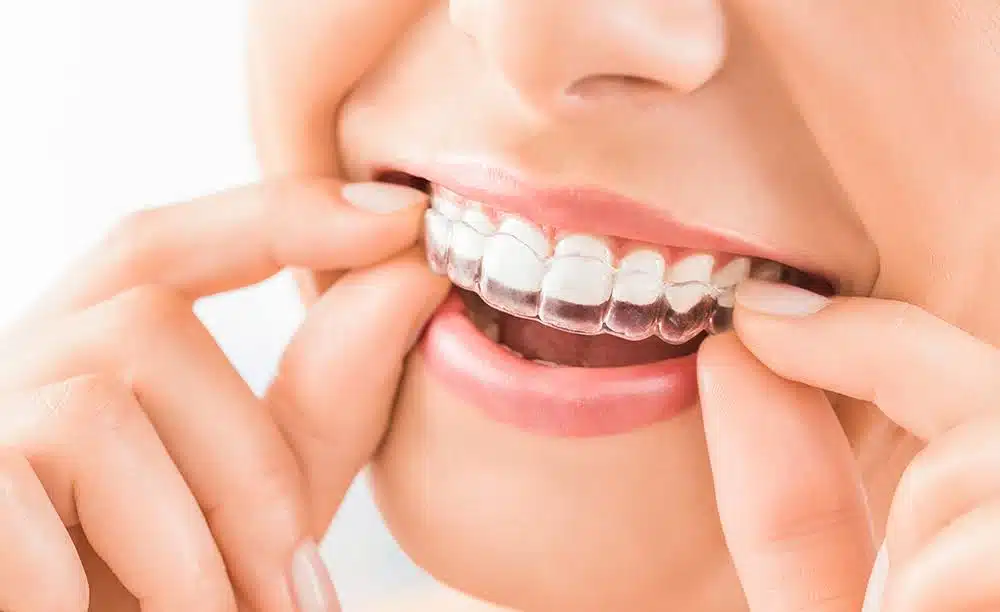
Close-up of a hand placing a clear Invisalign aligner onto teeth

Your First Week With Invisalign: What to Expect

What Should You Expect in Your First Week With Invisalign? Expect a few days of pressure and tenderness, a slight lisp that usually fades quickly, and some practice getting aligners in and out. By the end of the first week, most people have settled into a routine and barely notice their aligners. The first week is when you learn how Invisalign fits into your life: when to take the trays out, how to clean them, what to do about coffee, and how to handle the first mild soreness. Knowing what is normal makes it much easier to stay on track, and staying on track is what makes clear aligners work. Here is a day-by-day look at the first week, followed by practical tips and answers to the questions we hear most often. What Happens at the Appointment When You Get Your Aligners? Before this visit, your treatment has already been planned from a digital 3D scan, and you will have seen a preview of how your teeth are expected to move. On the day itself, Dr. Zaidi and our team will: Check that your first aligners fit properly Place any small tooth-colored attachments your plan calls for Show you how to put aligners in and take them out Explain how long to wear each set and when to switch Go over cleaning, eating, and what to do if an aligner is lost or cracked What are Invisalign attachments? Attachments are small bumps of tooth-colored composite bonded to certain teeth. They act as handles that give the aligner more grip, which helps with movements like rotating or lifting a tooth. Not everyone needs them. They blend in with your teeth, and they are polished off at the end of treatment. What Does the First Week Feel Like, Day by Day? Day 1: Getting used to the fit Your aligners will feel snug, and your teeth may feel a little strange. That snugness is the aligner doing its job. Many people notice more saliva and a slightly different sound to their speech. Practice reading aloud or chatting; your tongue adapts fastest when you use it. Days 2 to 3: Peak tenderness This is when pressure is usually most noticeable, especially when you take aligners out to eat and put them back in. Teeth may feel tender when biting. It is a normal sign that they are starting to move. Soft foods and an over-the-counter pain reliever, if appropriate for you, help. Days 4 to 5: Building the routine Tenderness generally eases. Taking aligners out and putting them back becomes quicker, and you start to plan meals and snacks so you are not taking them out every hour. Your speech is usually back to normal or close to it. Days 6 to 7: Settling in Most people are comfortable by now. The routine of wearing, removing, brushing, and replacing feels automatic, and you may forget you are wearing aligners at all. How Many Hours a Day Do You Need to Wear Invisalign? Aligners only move teeth while they are in your mouth. Plan to wear them all day and night, taking them out only to eat, drink anything other than water, brush, and floss. Your orthodontist will give you your exact wear-time target. Falling short, even by a few hours a day, can slow progress or mean a set does not fit when it is time to move to the next one. This is the biggest difference between aligners and fixed braces, and it is worth thinking about honestly before you start. Our Invisalign treatment page explains how treatment works from consultation to your final aligner. What Can You Eat and Drink With Invisalign? Because aligners come out for meals, there is no list of foods you can never eat. The rules are about what you do while the aligners are in, and what you do before you put them back. Situation What to do Why Plain water Fine with aligners in It does not stain or trap sugar Meals and snacks Take aligners out first Chewing can crack aligners and trap food Coffee, tea, soda, juice Take aligners out, or rinse well before replacing Sugar and acid get trapped against teeth; dark drinks can stain After eating Brush, or at least rinse, before putting aligners back Food pressed against teeth under the aligner raises the risk of cavities Hot drinks Never with aligners in Heat can warp the plastic Many patients find they snack less during treatment, simply because each snack means taking aligners out and cleaning up. That is not a bad side effect. How Do You Clean Your Aligners? Rinse them every time you take them out, so saliva and plaque do not dry on them. Brush them gently morning and night with a soft toothbrush and cool or lukewarm water. Avoid hot water, which can distort the plastic. Brush and floss your teeth before putting aligners back after meals. Store them in their case whenever they are out. Most lost aligners are wrapped in a napkin and thrown away. What If Something Does Not Feel Right? An aligner has a rough or sharp edge A little roughness can irritate the cheek or tongue at first. Orthodontic wax helps. If an edge keeps rubbing, call us; we can smooth it for you. You lost or cracked an aligner Call the office. Depending on where you are in the set, we may ask you to move to the next aligner early or go back to the previous one until a replacement is ready. Do not simply go without. Our emergency care page covers other problems and when to call. An aligner does not seat fully Some sets feel tight at first. Chewing gently on aligner seaters for a few minutes can help them seat. If a set still does not fit after a day or two, let us know rather than forcing it. How Often Will You See the Orthodontist? You will switch to a new set of aligners every

Your First Week With Invisalign: What to Expect Read More »

Family smiling together on a beach vacation with the ocean in the background

Why Summer Is the Best Time to Start Orthodontic Treatment

What Does It Mean to Start Orthodontic Treatment in Summer? The school break opens up a unique window for beginning orthodontic care. Starting orthodontic treatment in summer means beginning braces, Invisalign, or phase one care during that downtime, when patients have more room to settle in comfortably. The relaxed schedule gives kids, teens, and adults flexibility for the initial consultation, appliance placement, and the first few follow-up visits without competing with classes, exams, or extracurriculars. At Zaidi Orthodontics, summer scheduling works for every age group, and families across Connecticut appreciate the easier pace. Younger patients can begin a first orthodontic exam or early treatment. Teens often time braces or Invisalign with the break before high school. Adults appreciate the calmer rhythm too. Summer simply gives everyone breathing room. How Starting Treatment in Summer Works Beginning orthodontic care over the break follows a simple, well-paced process. Most families begin with a free consultation in late spring, schedule appliance placement once school lets out, and use the slower weeks to settle in. By the time fall arrives, patients are already comfortable with their braces or Invisalign routine. Here’s what the timeline usually looks like: Free consultation and exam. Dr. Zaidi reviews your smile, discusses treatment options, and creates a personalized plan, often before the school year ends. 3D dental imaging and records. Detailed scans help map out the most precise treatment approach. Appliance placement. Braces are bonded or the first set of Invisalign aligners is delivered during the early weeks of summer. At-home adjustment. The first few days of soreness pass quickly when patients can rest, eat soft foods, and relax at home. Follow-up visits. Adjustments are scheduled every four to eight weeks, easy to book around vacations and camps. Back-to-school confidence. Patients return to class already familiar with their appliances and care routine. Benefits of Starting Orthodontic Treatment in Summer There are real, practical advantages to beginning orthodontic care during the warmer months. The slower pace removes much of the stress families feel when juggling treatment with school, sports, and after-school commitments. Below are the biggest benefits patients and parents notice. Why Does Summer Make Scheduling and Recovery Easier? Open summer calendars make it easier to book the initial consultation, bonding day, and early adjustments without rearranging the week. Recovery feels gentler too. The first few days with new braces or aligners can be a little tender, and settling in at home, with soft foods and quiet afternoons, is far more comfortable than powering through a school day. Families with flexible summer schedules can also plan visits around vacations, camps, and work commitments. Fewer scheduling conflicts. A more open calendar means easier booking for every early visit. Easier at-home recovery. Quiet afternoons beat tender teeth in a busy classroom. Extra time for extra care. Learning to brush, floss, and clean around new appliances takes practice, and summer gives kids and teens space to build those habits before academic life resumes. How Does a Summer Start Help With Back-to-School Confidence? Less class time is missed because placement and early adjustments happen during the break, which means fewer pickups, sign-outs, and skipped lessons during the school year. Heading back to class with a new smile transformation underway feels great. “One of the greatest gifts a person can receive is the confidence to smile,” and summer treatment gives patients a head start. Parents enjoy more flexibility as well, since they can attend the first visit and a few follow-ups without taking time off work. Less class time missed. The longest visits land during the break. More flexibility for parents. Easier planning around camps, travel, and work. A confidence boost for the new school year. Patients return already settled into their routine. When Is the Best Time to Start? Summer vs. the School Year Both seasons can work for beginning orthodontic care, but the timing really does shape the experience. Summer reduces missed class time, gives patients quiet days to settle in, and frees up parents to attend the first visit without taking time off work. The school year still suits some adult patients or accelerated cases, especially when summer travel is heavy. Here’s a quick side-by-side look: Factor Summer Start School Year Start Scheduling flexibility High, fewer conflicts Moderate, limited by class hours Missed school time Minimal More frequent pickups Adjustment comfort Easier at home Harder during busy days Parent availability Often more flexible Often tighter Best fit Kids, teens, families Adults, accelerated cases For most families, summer wins on convenience and comfort. For adults with steady work routines, either season can work well. What Affects the Cost of Summer Orthodontic Treatment? Pricing for orthodontic care in summer depends on the type of treatment chosen, the length and complexity of the case, and any insurance coverage that applies. The season itself does not change base pricing. What matters is the personalized treatment plan, which is why a free consultation is the most accurate way to understand your investment. Several factors shape the total cost: Treatment type. Traditional braces, Invisalign, and pediatric orthodontics each have different price points. Case complexity. Minor alignment corrections typically require less time and fewer visits than full bite corrections. Treatment length. Most cases run between 12 and 24 months, depending on goals. Insurance benefits. Many plans include orthodontic coverage that offsets a portion of the cost. Extended payment time. Zaidi Orthodontics offers low down payments starting at $250, monthly payments as low as $125, and extended payment plans up to 24 months beyond treatment time. Your initial consultation includes a clear cost estimate so there are no surprises. Who Is a Good Candidate to Start Treatment in Summer? A wide range of patients fits the summer timing well, from first-time pediatric visits to adult Invisalign cases. If you have a flexible break, an upcoming school transition, or simply want time to settle in comfortably, summer is an excellent fit. Good candidates include: Children ready for phase one. Kids around age seven who may benefit from an early orthodontic exam

Why Summer Is the Best Time to Start Orthodontic Treatment Read More »