

How Long Does It Take for Braces to Straighten Teeth?
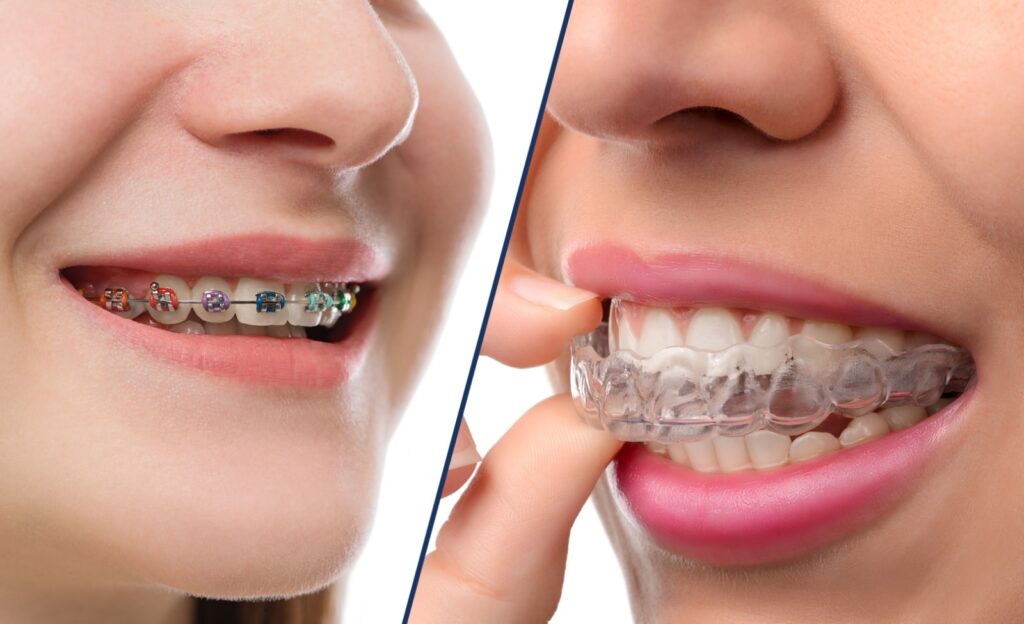
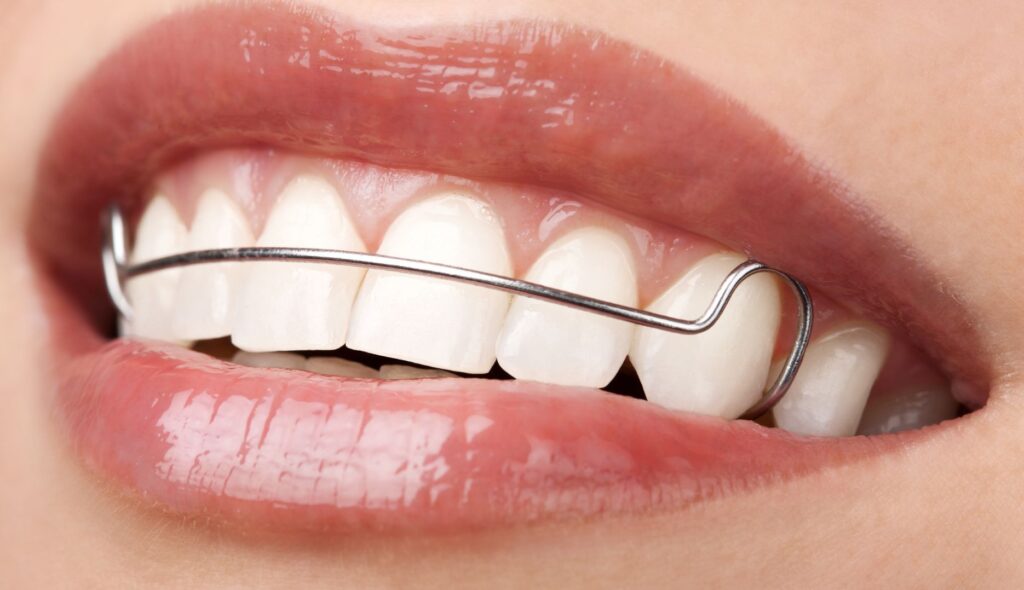
Some people wear braces for just a year, while others need them for nearly three. What makes the difference? The truth is, straightening teeth doesn’t work the same for everyone. Your age, how your teeth are positioned, and the type of braces you get all make a difference. Some see small shifts in the first month, while others take longer to notice changes. That’s why it helps to have the right team on your side. At Zaidi Orthodontics, patients get personalized care and clear answers about what to expect from day one. Instead of guessing or feeling stuck comparing timelines with others, it’s better to focus on what affects your progress. Understanding the process—and how to stay on track—can make your treatment feel a lot less stressful and a lot more doable. Factors That Affect How Long Braces Take to Work Some people finish treatment in a year, while others wear braces for much longer—and it’s not random. Several key things play a role in how long the process takes. Your age, the condition of your teeth, the type of braces you’re wearing, and how closely you follow your treatment plan all matter. At Zaidi Orthodontics, these details are looked at from the start so you can have a clear idea of what your timeline might look like. 1. Age of the Patient Teens often get quicker results because their jaws and bones are still growing, which helps teeth shift faster. Adults can still get great results—they might just need a little more time since everything has stopped growing. 2. Type and Severity of the Issue Simple spacing or crowding usually takes less time. But if you’re dealing with bigger problems like an overbite or crossbite, it could take longer to fix. The more movement your teeth need, the longer it can take. 3. Type of Braces Used Metal braces tend to move teeth steadily and may work faster in complex cases. Ceramic braces and lingual ones (which go behind the teeth) might take a bit longer. Some newer options promise faster results, but it all still depends on your specific case. 4. Patient Compliance Following your orthodontist’s instructions makes a big difference. Brushing well, skipping hard foods, wearing rubber bands if needed, and showing up for appointments can all help speed things up. Skipping these? That usually means more time in braces. Average Timeframes by Treatment Type The type of braces you get can affect how long it takes to see results. Some are quicker, others need more time—but each option works in its own way depending on what your teeth need. Here’s a quick look at the average treatment time for each type of braces: Traditional Metal Braces Most people wear them for 18 to 24 months. They’re strong, work for all kinds of alignment problems, and often move teeth a bit faster in more complex cases. Ceramic or Clear Braces These usually take about the same amount of time as metal braces but may go a little slower since the brackets are more delicate. People choose them mostly for appearance since they blend in with the teeth. Lingual Braces Placed behind the teeth, these are less visible but can take a bit longer to adjust. They’re often used for mild to moderate cases and are a good choice for those who want a hidden option. When You Might See Early Changes A common question people ask is, “When will I notice a difference?” The good news is that most people start to see small changes within the first 4 to 6 weeks after getting braces. It might be slight spacing, shifting, or some teeth looking a little straighter. These early changes can feel exciting—and they are a sign that your braces are doing their job. Still, it’s important to know that this is just the beginning of the process. The first few months are often about getting your teeth into a better starting position before bigger changes happen later. Even if progress seems slow, it’s still happening. Teeth move in small steps to avoid damage and make sure everything lines up properly. So if you’re not seeing a dramatic difference right away, that’s normal. Just stay consistent, and you’ll keep moving in the right direction. Tips to Stay on Track With Your Braces Wondering how long it takes for braces to straighten teeth is normal—but sticking to a few simple habits can help you get to the finish line faster. At Zaidi Orthodontics, patients get clear steps to follow so they don’t fall behind during treatment. Stick to Your Appointment Schedule Regular checkups aren’t just for tightening wires—they help your orthodontist track progress and make needed changes. Skipping visits, even just one, can slow things down more than you think. Follow Food Guidelines Hard, sticky, or chewy foods can break brackets or bend wires. If something gets damaged, it often means pausing progress until repairs are made. Staying careful with food choices helps keep things moving on time. Use Appliances as Directed Things like rubber bands, expanders, or other tools are part of your plan for a reason. Wearing them just part-time doesn’t give the same results. If your orthodontist says to wear them full-time, do it—it can make a big difference in how long your treatment takes. What Happens After Your Braces Come Off Getting your braces removed feels like a big win—and it is—but there’s still a bit of care needed to keep your teeth in place. Right after treatment, your teeth can slowly try to shift back to where they started. That’s why wearing a retainer is so important, especially in the first year. Your orthodontist will let you know how often to wear it, but sticking to the plan helps your results last. Some people also need a few follow-up visits after the braces come off. These quick check-ins help make sure everything is staying on track and that your bite is holding up well without the brackets. If something seems off,
How Long Does It Take for Braces to Straighten Teeth? Read More »