
Signs You May Need Braces (Even as an Adult)
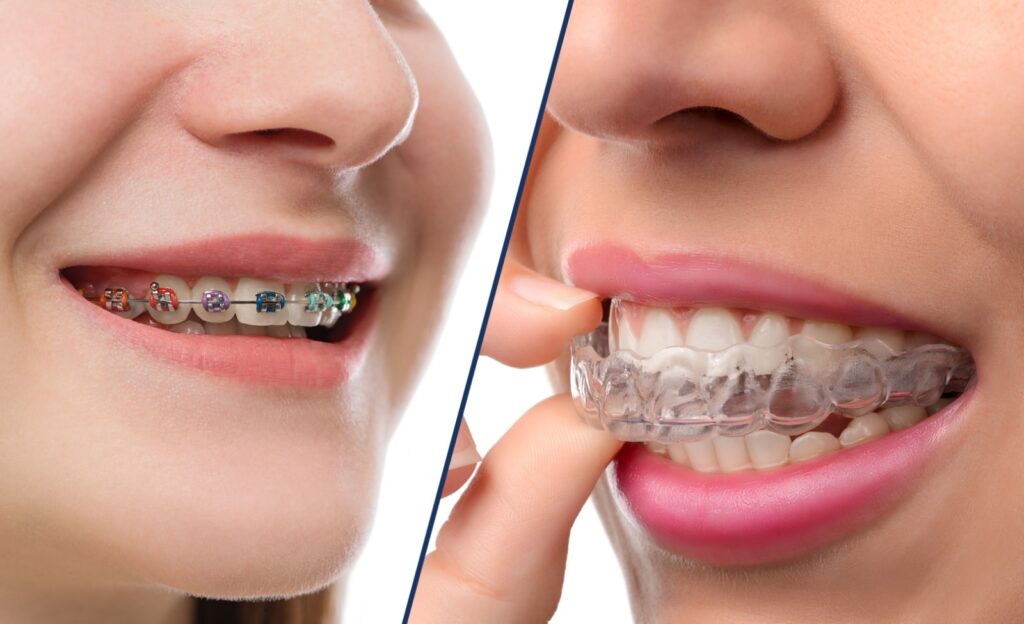
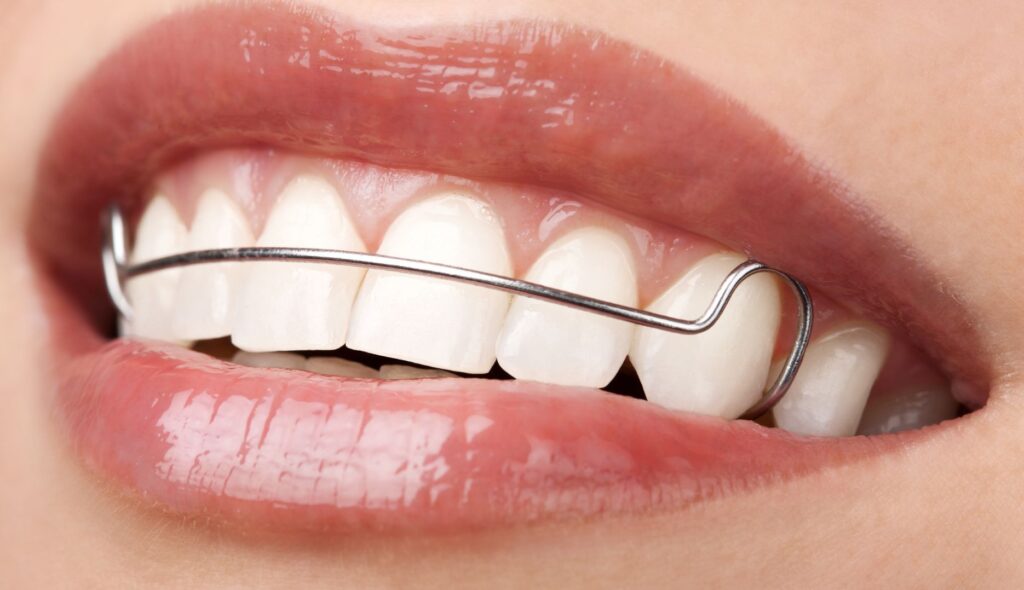
Some people smile without thinking. Others feel the need to hide theirs. Which one sounds more like you? Maybe your teeth have shifted over time. Maybe you’re noticing crowding, gaps, or discomfort when you bite. These might be signs you may need braces, even as an adult. More adults are asking the same questions: Is it too late to fix my teeth? Will braces make a real difference? The answer is yes—to both your comfort and your confidence. Braces aren’t just for kids anymore. They’re helping adults improve not only the way their smile looks but also how their teeth work day to day. At Zaidi Orthodontics, adults are supported every step of the way. A simple checkup can help spot small issues before they turn into bigger ones. Choosing braces might feel like a big decision, but it could be one of the best moves you make for your long-term health—and your self-esteem. What Braces Actually Fix Braces do more than just straighten teeth—they help fix the way your teeth and jaw work together. They use small brackets and wires to slowly shift your teeth into better positions over time. Most people think of braces as a way to improve their smile, but they can also fix real problems with chewing, speaking, and even jaw pain. Some adults notice small issues that get worse over the years. Teeth might feel crowded, spaced out, or just “off” when biting down. These can be signs you may need braces, not just for looks, but for your overall dental health. Unlike veneers or teeth whitening, braces work below the surface. They don’t just change how things appear—they change how everything fits and functions. That’s what makes them different from quick cosmetic treatments. It’s not just about a better smile—it’s about a healthier one too. 7 Signs You May Need Braces as an Adult Not sure if braces are right for you? These common signs can help you figure out what to look for. 1. Crowded or Overlapping Teeth Teeth that sit too close together or on top of each other are harder to clean. If your floss keeps getting stuck or you’re skipping those tight spots, that could lead to cavities or gum problems down the road. Crowding is more than a cosmetic concern—it can affect your whole mouth. This is one of the most common signs adults notice when thinking about orthodontic care. Getting things straightened out can make brushing and flossing easier and lower your risk for future dental issues. 2. Gaps Between Your Teeth Some people like the way their gap looks, but others find it frustrating. Gaps can make it harder to chew, especially if food gets stuck or you feel like your bite isn’t even. Plus, open spaces between teeth can leave gums more exposed, which might make them feel sore or sensitive. If your gaps feel more like a problem than a quirk, braces could help bring your teeth closer together and improve how your bite works every day. 3. Frequent Jaw Pain or Clicking Pain in your jaw or a clicking sound when you chew shouldn’t be ignored. These can be signs of bite issues or something called TMJ disorder. Braces can help by lining up your teeth and jaw the right way, which takes pressure off the joints and muscles. If chewing is uncomfortable or your jaw feels sore at the end of the day, it’s worth getting checked out. Ongoing pain like this is more than a small annoyance—it might be one of the early signs you may need braces to get things back in balance. 4. Your Bite Feels “Off” When You Chew Biting into food shouldn’t feel uneven. If one side hits harder than the other or your teeth don’t meet the way they should, something may be out of alignment. Overbites, underbites, and crossbites can cause uneven wear on your teeth and even affect how you speak. This type of issue doesn’t always hurt, but it can quietly cause problems over time. An off-balance bite is something many people overlook—until it starts to get in the way of everyday things. 5. You Had Braces Before—But Your Teeth Shifted Back Just because you had braces as a kid doesn’t mean your teeth will stay straight forever. If you didn’t wear your retainer or stopped too soon, your teeth might shift back over the years. That doesn’t mean you did anything wrong—it just means it’s more common than people think. If you’re seeing changes in your smile and feel like your teeth aren’t where they used to be, this could be one of the signs you may need braces again. The second round is often quicker and easier than the first. 6. You’re Hiding Your Smile in Photos Not wanting to smile in pictures can be a big sign that something’s bothering you. Maybe it’s crooked teeth, spacing, or just feeling unhappy with how things look. That self-conscious feeling doesn’t have to be permanent. Emotional reasons matter just as much as physical ones when it comes to dental care. If you’re avoiding pictures or covering your mouth when you laugh, braces could help you feel more confident and comfortable with your smile again. 7. Your Dentist Recommended Orthodontic Help When your general dentist notices something off and recommends braces, it’s worth paying attention. Dentists often spot things during regular cleanings—like crowding, shifting, or bite issues—that might not be causing pain yet, but could lead to bigger problems later. If your dentist says you should see an orthodontist, that’s one of the clearest signs you may need braces. It’s not just about looks—it’s about keeping your teeth and gums healthy in the long run. Benefits of Getting Braces as an Adult Getting braces as an adult comes with real, long-term rewards. It’s not just about changing how your smile looks—it’s about feeling better in your day-to-day life and protecting your teeth for years to come. Here’s what you can expect: Boosted confidence
Signs You May Need Braces (Even as an Adult) Read More »